
Monsoon is here, and persistent humidity, damp clothing and frequent exposure to rainwater can increase the risk of fungal infections.
Kolkata doctors say that while these infections are common and easily treatable, ignoring early symptoms can cause discomfort and spread infection. And in certain cases, there can be more serious health complications, too.
Why fungal infections increase during the monsoon
Joydeep Ghosh, consultant, Internal Medicine, Fortis Hospital, Anandapur, explained, “The monsoon season creates the perfect environment for fungal infections because warmth, humidity and prolonged moisture allow fungi to thrive on the skin.”
According to Ghosh, the commonly affected areas are the feet, groin, underarms and skin folds. Symptoms may include itching, redness, rashes and irritation. Excessive sweating, prolonged use of damp clothes or shoes, poor drying habits after bathing and tight, non-breathable clothing can increase the risk of infections.
How humidity and damp clothing create the perfect breeding ground
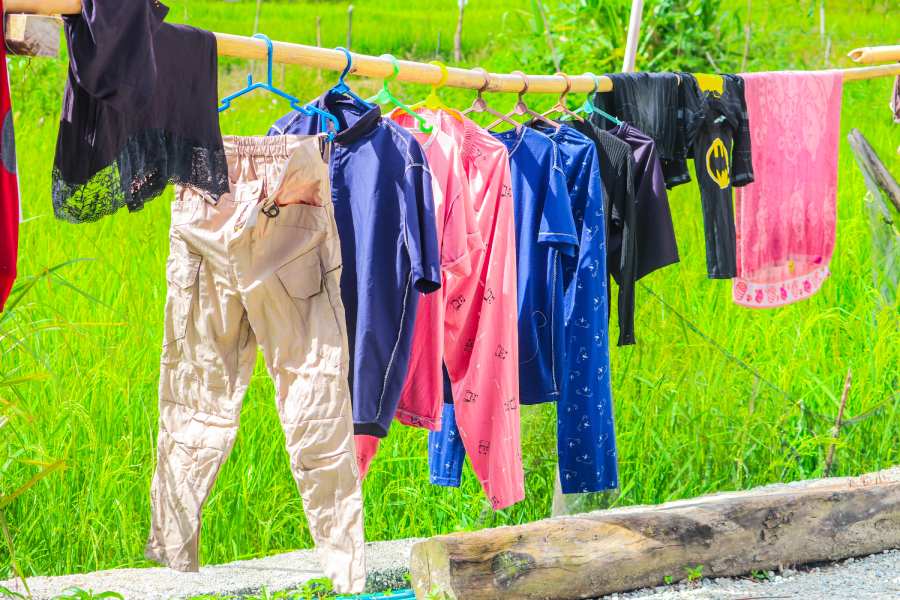
Sweat, wet clothing and regular exposure to rain are favourable for the growth of fungal spores
M.S. Purkait, medical superintendent, Techno India DAMA Hospital, said fungal infections surge during the rainy season as moisture and wet skin cause the rapid growth of fungal spores.
“Body sweat, wet clothing and regular exposure to rain are favourable for the growth of fungal spores,” he said. People with weak immunity, diabetes and those on certain medications are vulnerable.
Common fungal infections to watch out for
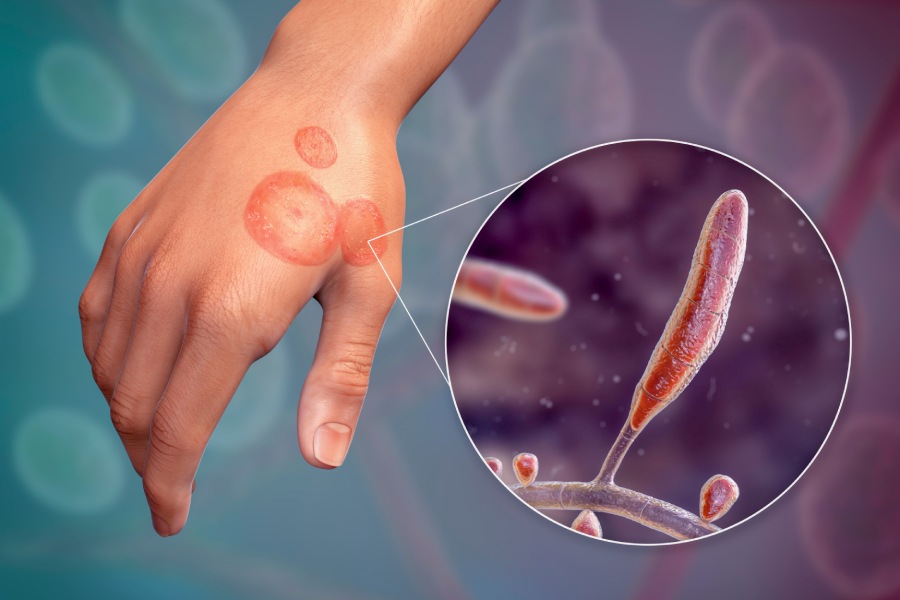
Common fungal infections include athlete’s foot, ringworm, scalp infections, nail infections and jock itch
Some of the most common fungal infections seen during the monsoon are athlete’s foot, ringworm, scalp infections, nail infections and jock itch. However, doctors warn that some fungal diseases can be far more serious.
Purkait pointed out that fungal infections that affect the lungs, such as aspergillosis, cryptococcosis and blastomycosis, can turn life-threatening for people with compromised immune systems, if neglected.
Simple precautions that can prevent infection
Preventing fungal infections largely involves keeping the body dry and maintaining good hygiene practices.
Ghosh advises changing wet clothes and shoes as soon as possible and wearing loose cotton garments. He also advises avoiding sharing towels, socks or footwear. The areas between the toes and skin folds after bathing should be dried thoroughly.
Purkait also stresses the importance of changing socks and undergarments regularly and ensuring footwear is completely dry before reuse.
Doctors also say that monsoon-related health concerns are not just limited to fungal infections.
Apoorbaa Roy, consultant microbiologist, Neuberg Pulse Diagnostic, Kolkata, highlighted that the season also brings an increased risk of bacterial, viral and mosquito-borne diseases.

Preventing fungal infections largely involves keeping the body dry and maintaining good hygiene practices
“One of the most overlooked monsoon-related infections is leptospirosis. The bacterial disease can occur when contaminated floodwater enters the body through cuts or abrasions on the skin,” Roy said.
She advised people to avoid walking barefoot through flooded areas, wear protective footwear and cover wounds before stepping outdoors. Maintaining sanitation and rodent control measures is also significant.
While some home remedies, such as tea tree oil, coconut oil and mixtures containing baking soda, can be used for mild fungal infections, Purkait noted that medical treatment remains the most effective solution. Antifungal powders, ointments and prescribed medications can heal infections quickly when used appropriately.
Doctors recommend seeking medical attention if symptoms persist, worsen or spread. Early diagnosis and treatment can help prevent complications.