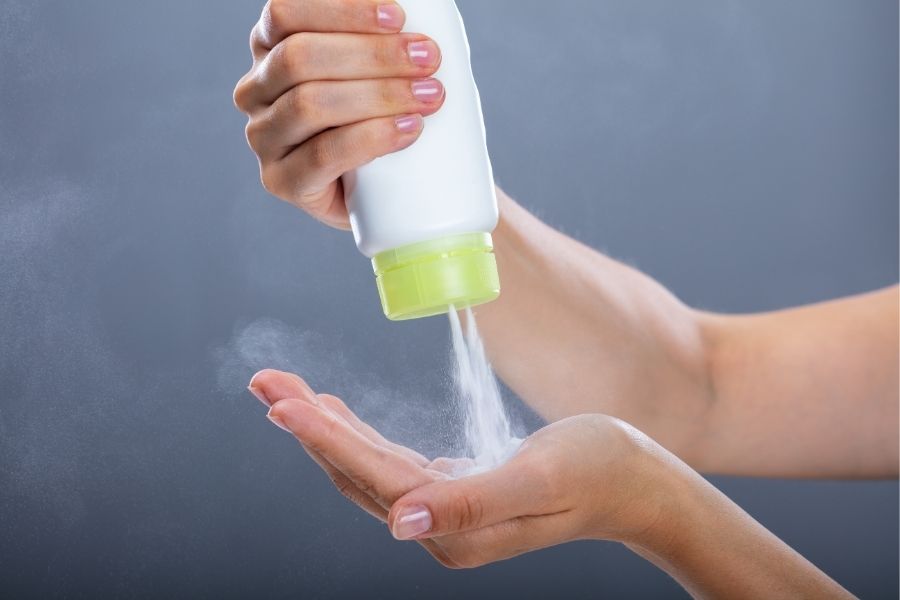
For many, a post-bath ritual during Kolkata summer often involves a quick dusting of ‘cooling’ powder. In the sticky weather, the instant freshness feels welcome. But hold on. Are these powders really safe for your skin? Dermatologists say that this quick fix may come with hidden side effects, especially when used regularly or if you have sensitive skin.
The illusion of cooling
“Talc-based cooling powders have been a popular choice in summer for their moisture-absorbing and friction-reducing properties, with menthol or camphor added for a transient cooling sensation,” said Shreya Poddar, a dermatologist. That cooling effect is short-lived and superficial.
According to skin specialists, these powders do not really help lower the body temperature or stop sweating. But they absorb moisture for some time. When the humidity is high, the sweat quickly returns, leaving the skin damp underneath the layer of powder.
Skin irritation and barrier damage
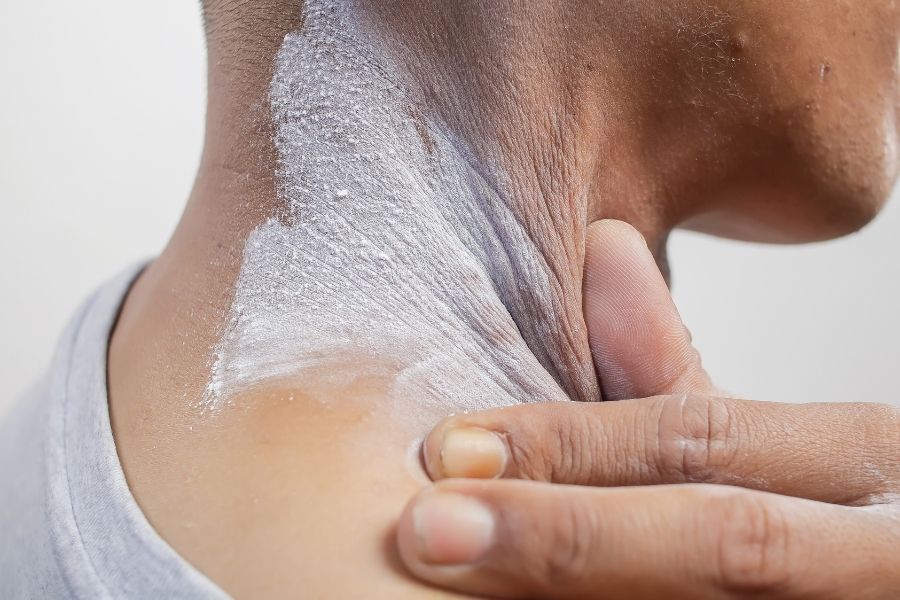
From a medical aspect, the primary concern lies in how these products interact with the skin. “These powders give symptomatic relief, but there is no therapeutic benefit. The added fragrances or cooling agents can trigger irritation or worsen barrier dysfunction,” Poddar explained.
The cooling sensation comes from the menthol, and it can be harsh on sensitive skin. Sai Lahari Rachumallu, associate consultant in dermatology, said, “The cooling powders contain ingredients like menthol. These give you that feeling of freshness but may trigger irritation, rashes, or dryness in people with sensitive skin.”
When used daily in areas where the skin folds, it can lead to clogged pores and even fungal infections if the moisture gets trapped for long hours.
Concerns beyond the skin
There are also safety concerns beyond the skin that are associated with talc-based powders. “Cosmetic-grade talc is safer on intact skin when asbestos-free. But inhalation of these fine particles remains a clinical concern when used frequently or liberally,” said Poddar. She added that chronic respiratory exposure and use in infants are best avoided.
Rachumallu warns, “While cosmetic-grade talc is regulated and considered safe in many countries, the prolonged or excessive use in sensitive areas can irritate the skin or, if inhaled, it can affect the lungs.”
There is also a debate ongoing about long-term risks, especially when used in the genital area. Thus, dermatologists recommend caution.
Better ways to stay cool
Dermatologists recommend moving away from using talcum powders. Instead, using simple measures can be more effective.
“Non-powder measures like keeping the skin folds dry, wearing breathable cotton fabrics, and using barrier creams that contain zinc oxide are more effective and safer in the longer run,” said Poddar.
But if you still want to use talc, then go for safer alternatives like cornstarch-based powders, which can help absorb moisture. But they should be used wisely in areas that are prone to fungal infections. Lightweight body lotions or gel-based creams with soothing ingredients like aloe vera or calamine are also a good option.
“Occasional use of cooling powders is fine, but relying on them heavily, especially in heat, may not be the best option,” summed up Rachumallu.