As spring officially arrives in Bengal, conversations around chickenpox and its prevention have become hot topics in many households. And more often than not, the talks begin at the dining table, with nods to generations-old Bengali beliefs and recipes that may have the power to keep pox at bay.
While modern medicine considers vaccination the most effective preventive measure against chickenpox, doctors agree that diet-based immunity may play an important role in keeping you safe and healthy during seasonal outbreaks — and they may even help with recovery if you are infected.
Here, we hit the sweet spot between tradition and modern science, listing five vegetables approved by doctors for prevention of chickenpox and fast recovery of those affected.
Spinach
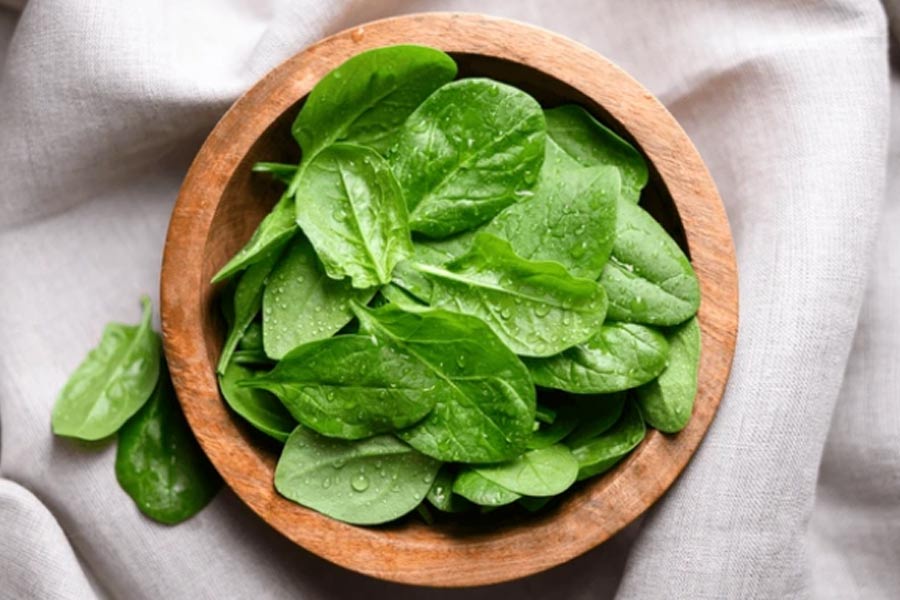
Spinach is beneficial for those recovering from chickenpox due to its high nutrient density and specific properties that help with symptom management. Dr Saptarshi Basu, medicine consultant and OPD in-charge of Woodlands Multispeciality Hospital in Kolkata, said one must remember that to fight the antigens of pox, the human body requires sufficient vitamins. “These (spinach) actually help boost the immunity, and for people who have chicken pox, it helps support healing.”
Shojne Phool or Shojne Dnata (Moringa)
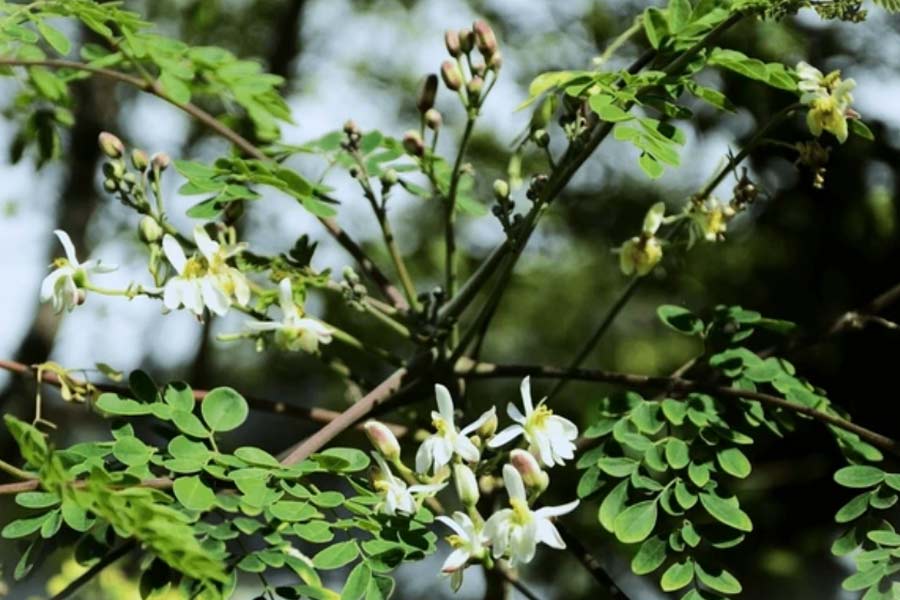
Moringa (Moringa oleifera), as advised by Ipshita Chakravarti, the head of the Dietetics Department at CK Birla Hospitals CMRI, acts as a potent, nutrient-dense natural remedy. Traditional practices used its leaves and extracts to treat weakness, fever, and skin issues associated with pox. Its high anti-inflammatory, antioxidant, and immune-boosting properties support faster recovery from infections.
Bitter Gourd
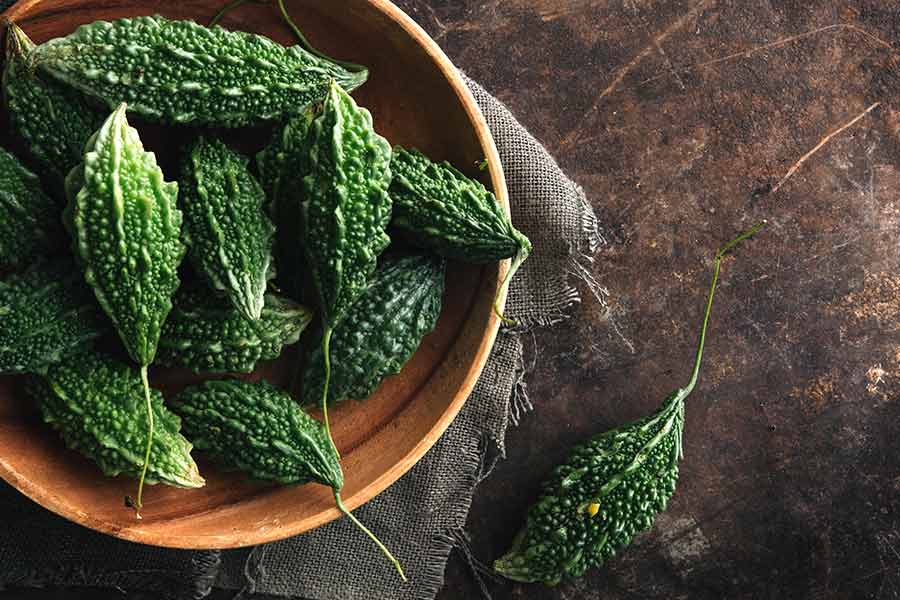
Bitter gourd is considered a beneficial dietary and medicinal inclusion during pox infections due to its antiviral, anti-inflammatory, and immunity-boosting properties. “It is traditionally recognised for aiding in the treatment of such infections,” Chakravarti said.
Neem Pata (Neem leaves)
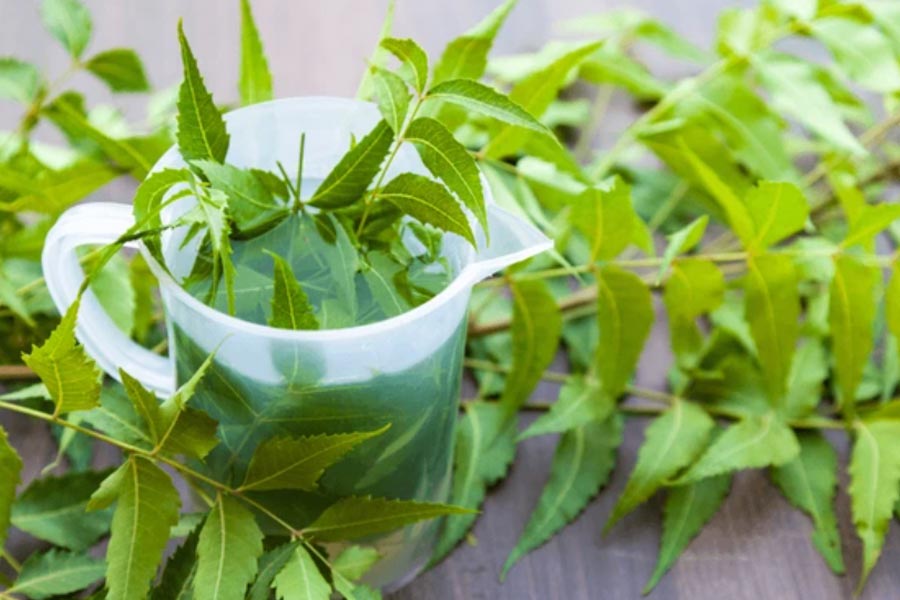
Neem leaves can be helpful in symptomatic treatment and prevent secondary bacterial infections. “One must remember that they are not a cure for the viral infection itself. Modern medical consensus emphasises that while neem may help manage symptoms, it should complement, not replace, conventional medical care,” said Chakravarti.
Carrots and Broccoli
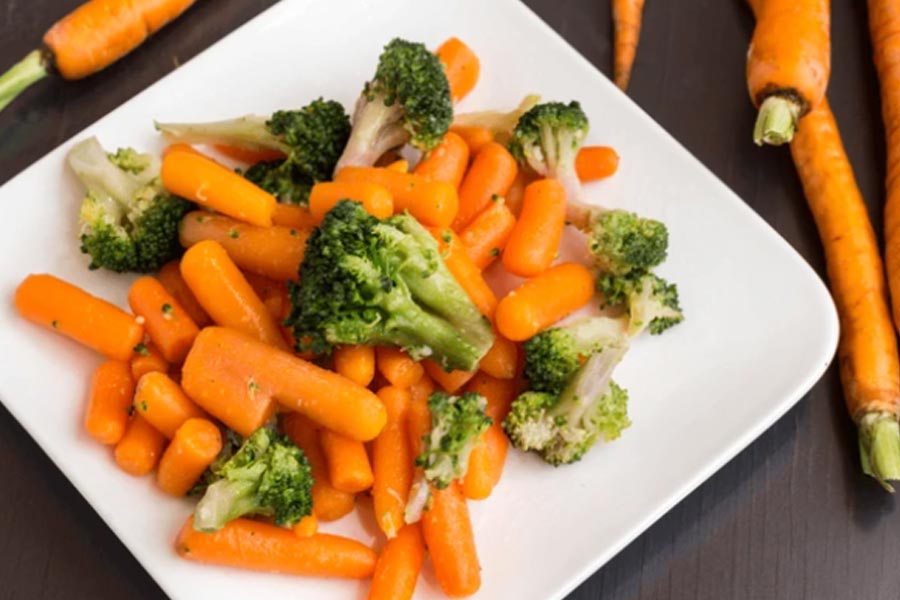
According to Basu, carrots and broccoli are highly beneficial in supporting the immune system and preparing the body to fight chicken pox. “Carrots are very important since they are rich in beta-carotene. So it supports the healing of typical immunity. Broccoli has anti-histaminic properties. They provide crucial nutrients that strengthen immune response, reduce inflammation, and aid skin repair,” he said.