As the International Kolkata Book Fair unfolds this year, attention extends beyond novels and poetry to books that deepen the understanding of food and its histories. For chefs, food historians and researchers, essential reading includes works that examine ingredients, document culinary traditions and study how food is shaped by culture, trade and power. From books exploring British food writings to rigorous studies of Indian cuisine, these are the reads they swear by.
Chef Shaun Kenworthy
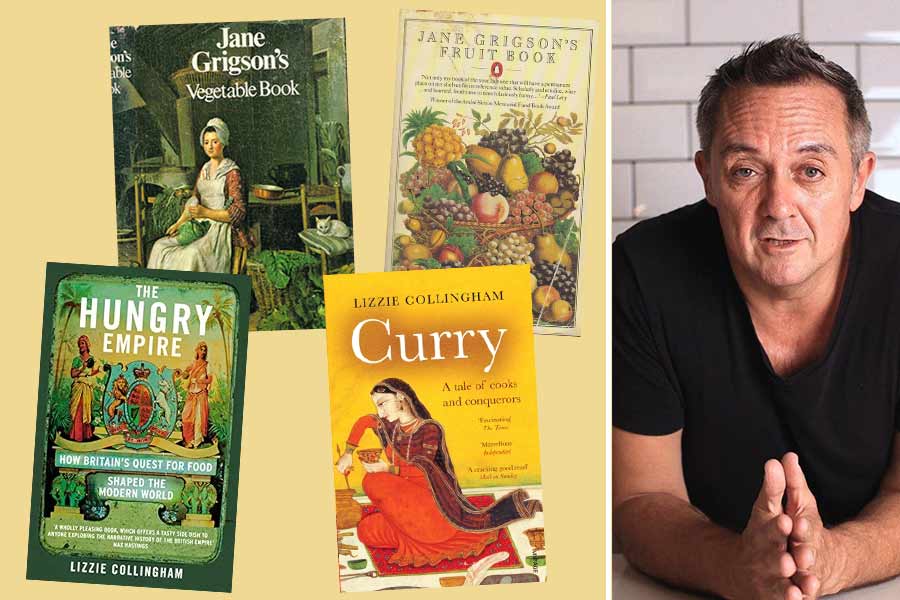
Chef Shaun Kenworthy names Jane Grigson as a lifelong influence. “Her Fruit Book taught me that fruit isn’t decoration or sweetness at the end of a meal. It’s structure, acidity, memory, and craft,” he says, adding that it shaped his thinking as a young pastry chef.
Kenworthy pairs it with Jane Grigson’s Vegetable Book, which, he says, made him slow down and truly look at vegetables, their seasons, textures and unexplored possibilities. “Grigson writes with such authority and warmth that even the simplest vegetable feels worthy of care and respect. Both books should be chef essentials.” The two titles are published by Grub Street.
Living in India pushed Kenworthy to look deeper into food history. Lizzie Collingham’s Curry “completely reframed” how he understood Indian food “not as a fixed tradition, but as something shaped by trade, migration, power, and adaptation”. It is a book he often gifts because “it changes how people think”.
Kenworthy follows it with Collingham’s The Hungry Empire, which he calls uncomfortable but essential reading for understanding hunger, exploitation and survival. Curry is published by Chatto & Windus, while The Hungry Empire is published by The Bodley Head.
Chef Sujan Mukherjee
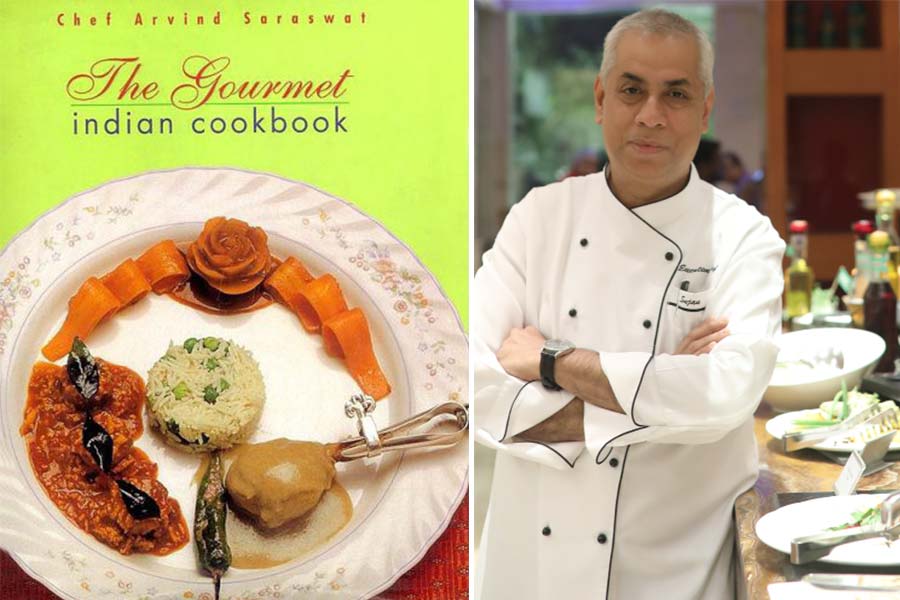
Chef Sujan Mukherjee turns to a more practical read. “I love The Gourmet Indian Cookbook by chef Arvind Saraswat,” he says, praising its tried-and-tested recipes, use of authentic ingredients and strong focus on presentation. “It’s excellent for new chefs and a good reference for senior chefs also. This is really step by step.” The book is published by Bloomsbury India.
Dipankar Dasgupta
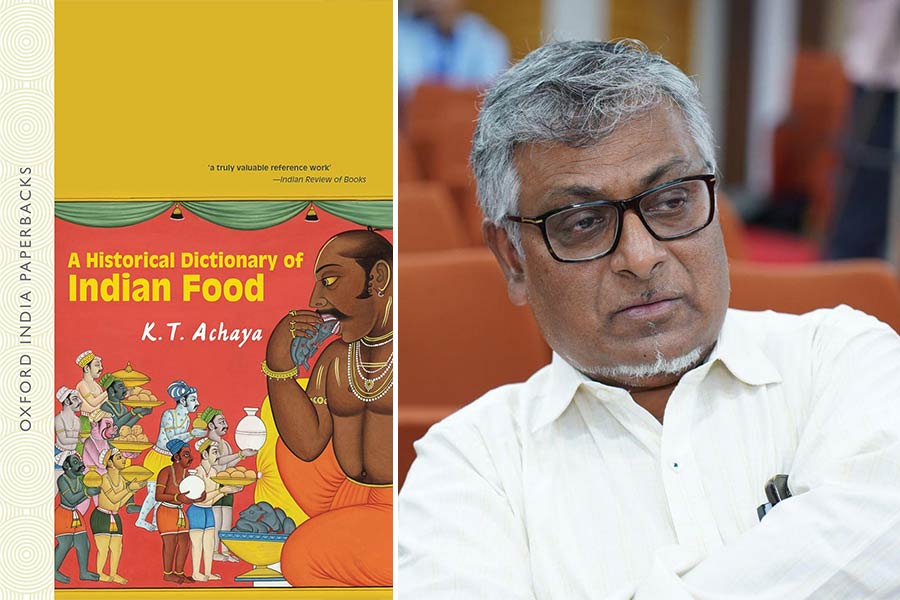
For food researcher and writer Dipankar Dasgupta, K T Achaya remains indispensable. “Whenever I think of Indian food, I am compelled to turn the pages of Indian Food: A Historical Companion,” he says, citing Achaya’s insights into Harappan diets, Aryan food habits and the roots of vegetarianism. The book is published by Oxford University Press.
Ishita Dey
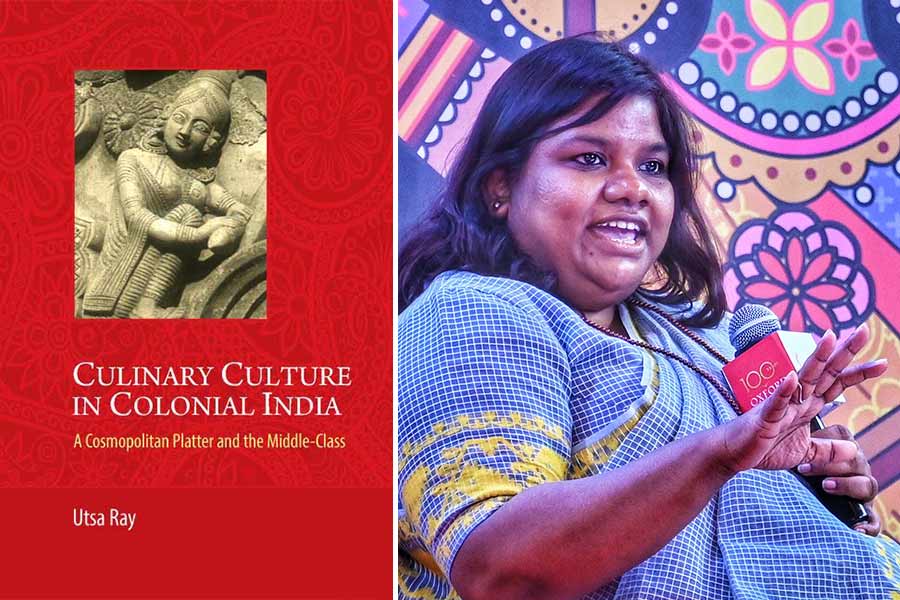
Author and sociologist Ishita Dey first points to Utsa Ray’s Culinary Culture in Colonial India. Ray’s deep archival work and use of biographies to tease out the materiality of food cultures impresses Dey. She calls it essential for anyone interested in the history of Bengali cuisine. The book is published by Cambridge University Press. Dey also mentions K T Achaya’s A Historical Dictionary of Indian Food, noting its scientific detail and cultural references as unmatched. It is published by Oxford University Press.
Samita Gopal Halder
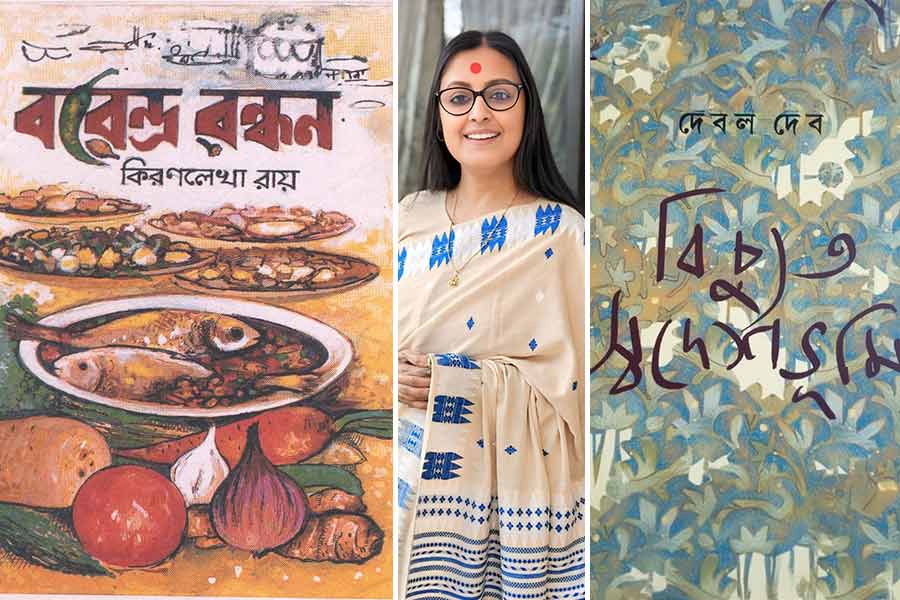
Food researcher Samita Gopal Halder names Bengali books that document Bengal’s everyday and endangered food cultures. “Kiran Lekha Roy’s Barendra Randhan records diverse folk cooking traditions from Bengal’s roads and bylanes, preserving regional, home-based cuisines rooted in local ingredients and oral knowledge,” she says.
Halder also recommends Debol Deb’s Bichyuto Swadesbhumi that examines food systems, agrarian wisdom and the loss of indigenous grains, becoming a vital read on food sovereignty and cultural erosion. She also cites Radhamadhab Mandal’s Banglar Pothe Ghater Bichitro Lokoranna, which captures folk cuisines shaped by travel, river life and geography.