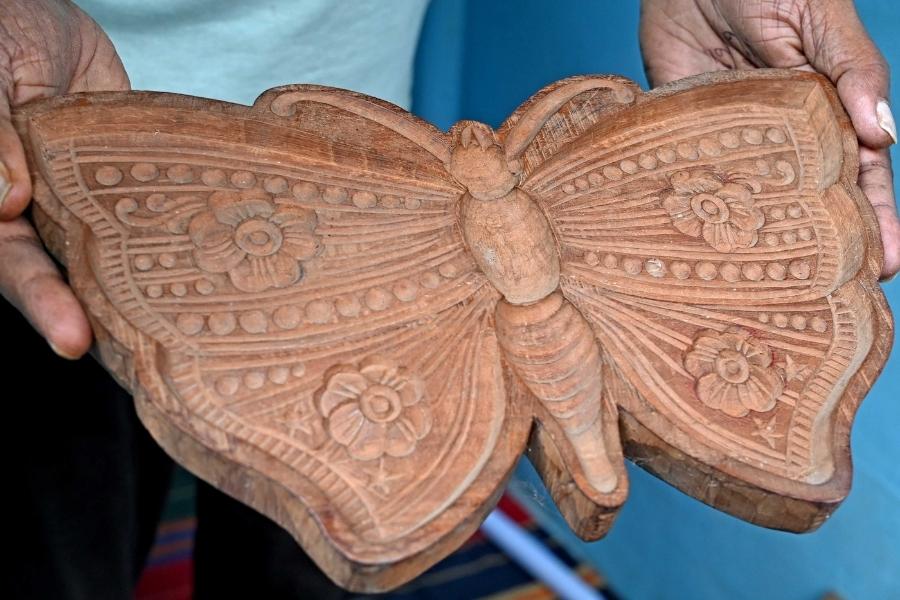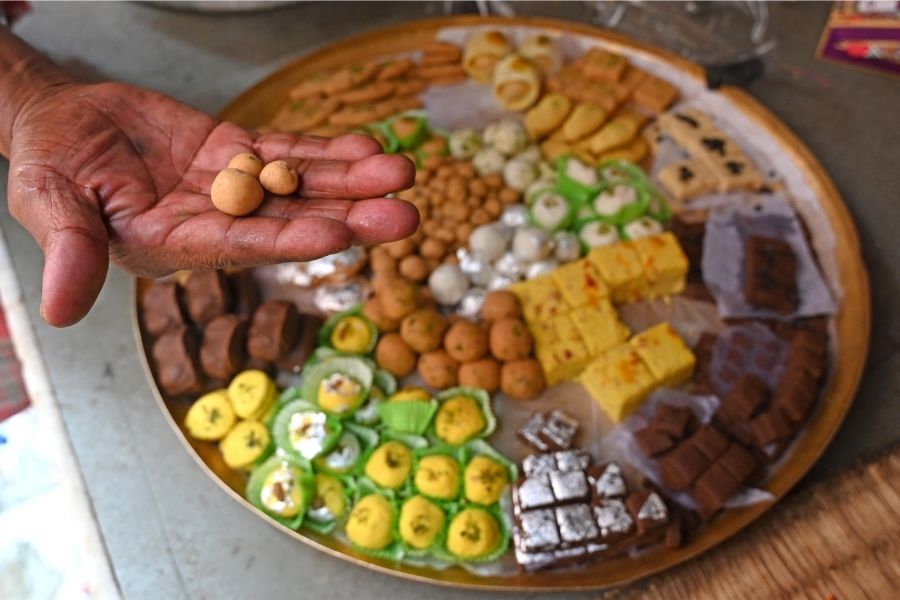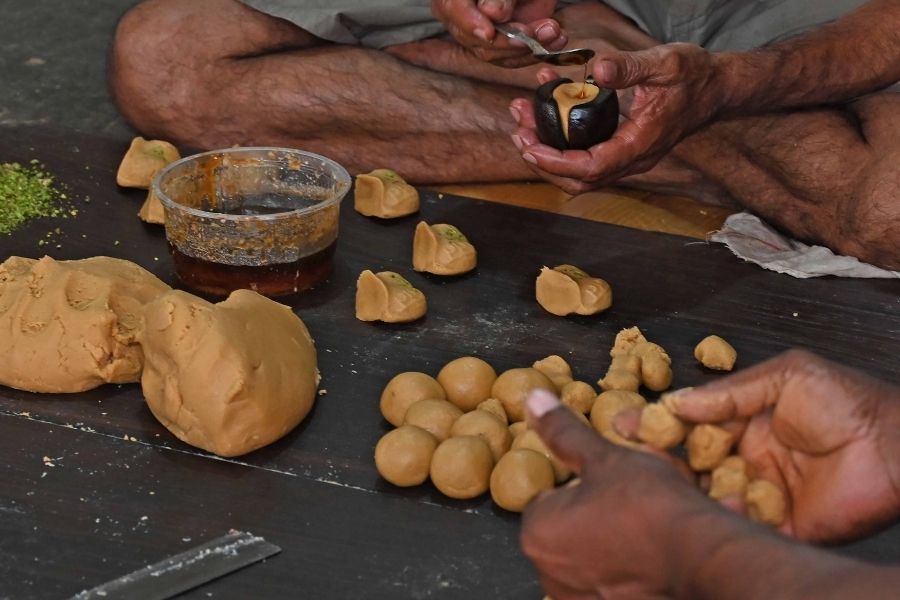
Walk into a traditional mishti shop in Bengal, and what you see is not just sweet treats, but culinary art resting on the shelves. Behind the counter, fresh chhana is kneaded by hand, syrup bubbling gently, karigars bend over the pata, shaping sweets with muscle memory built over decades.
But behind this familiar scene is a growing anxiety. Bengal’s sweet industry is facing a severe shortage of skilled karigars, (workers/sweet makers) putting the future of handmade mishti at risk.
Dhiman Das, the great-grandson of Nobin Chandra Das and the current owner of KC Das, says the problem has been brewing for years.
“Nobody wants to become a sweet-maker anymore. Call centres are easier, and culinary schools don’t train mishti chefs. We even tried to launch a mishti chef programme with a hospitality institute, but it didn’t take off. Unless you work on the shop floor, you can’t learn the craft,” he said.
Author and sociologist Ishita Dey, whose book Sweet Excess: Crafting Mishti in Bengal was published recently, has spent over a decade studying the world of sweet-making. She was in Kolkata for the Apeejay Literary Festival when My Kolkata spoke to her about the crisis.
“There is a sense that there is a shortage of karigars, but we also need to understand how the industry has historically hired through informal kin networks. This means certain caste and kin ties continue, and entry into the profession has never been fully open,” she explained.
Machines fill the gap, but at a cost
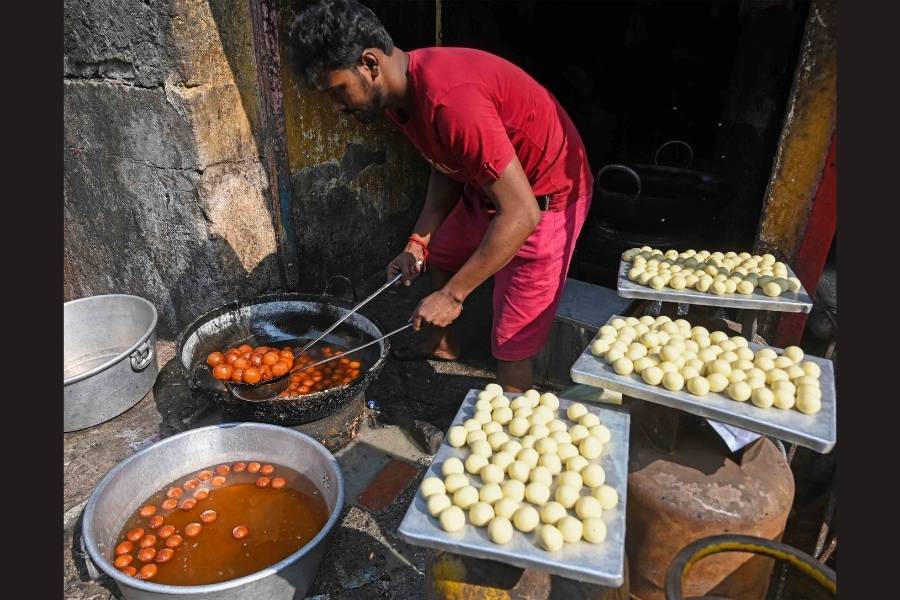
As skilled hands become scarce, many big brands have turned to machines to maintain consistency and scale. Automated rasgulla lines and mechanised shaping units now do the work that once depended on years of apprenticeship. While this ensures supply, it also marks a shift away from handmade processes that defined Bengal’s sweet heritage.
For smaller shops, automation is not always an option. They continue to rely on ageing karigars, many of whom are nearing retirement with no one to replace them.
The result is a fragile ecosystem where knowledge is disappearing.
Dey points out that while collaborations with hotel management institutes have been attempted, young students often prefer becoming pastry chefs.
“Interestingly, many of these pastry chefs, 15 years down the line, want to learn how a sweet shop works. There is interest and investment in the industry, but the conditions of work remain a major obstacle,” she explained.
Long hours, low pay, little recognition
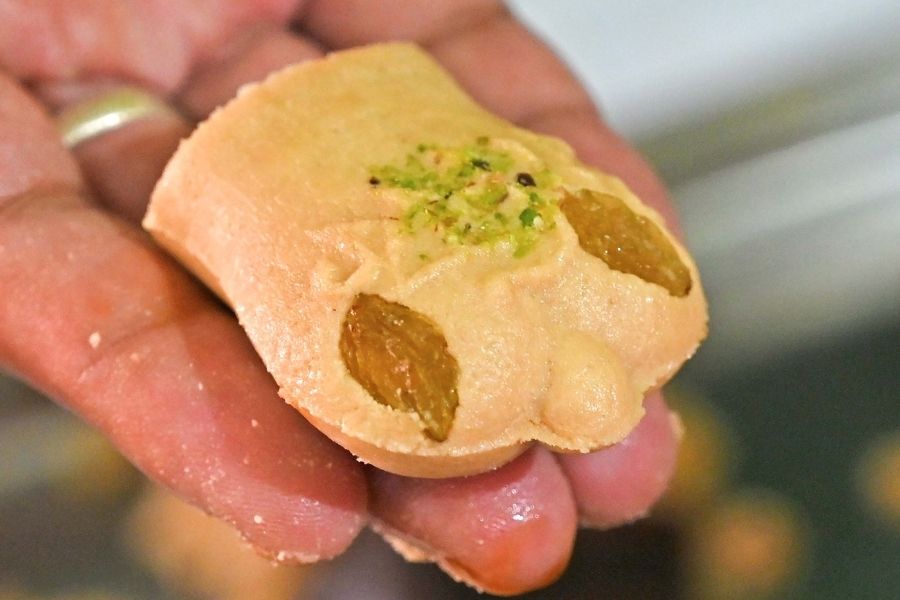
One of the biggest challenges, Dey noted, is the punishing work schedule. Milk supplies often arrive in the evening, pushing production late into the night. “You sit at the pata for eight to 10 hours, and during peak season it goes up to 12 hours. It’s backbreaking work,” she said.
When Dey revisited her field sites years later, many karigars had left the profession. Some moved to garland making or other trades that offered more predictable hours.
There have been discussions within industry bodies about honouring craftsmen and putting faces to the craft, not just brands.
“That recognition could encourage younger generations,” Dey said, adding that education around food safety laws is also crucial for survival in today’s regulated food industry.
‘Children don’t want to come into this industry’
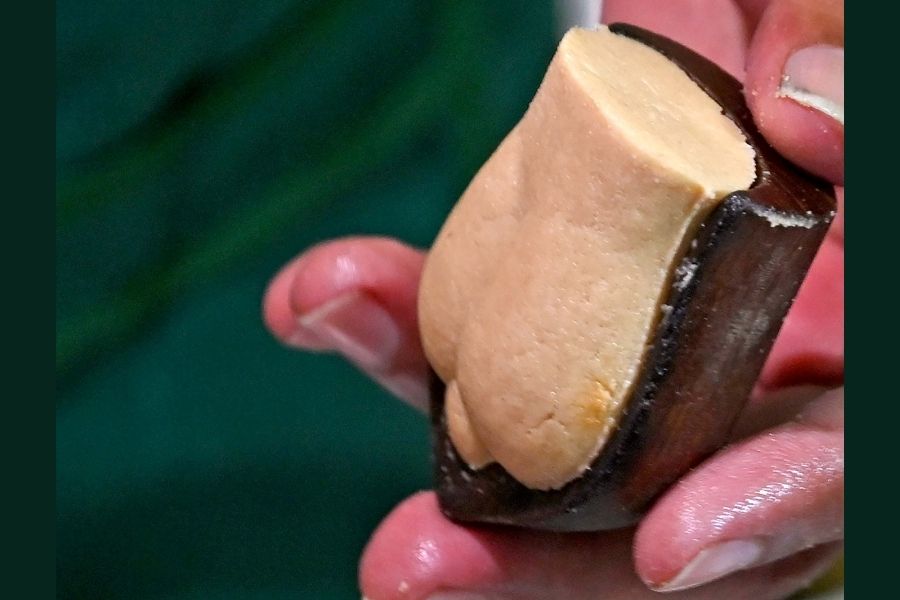
Vishu Mohapatra, a karigar at a small sweet shop in Behala, has seen the change firsthand.
“I have been making sweets for more than 45 years. I learnt it from my father who learnt it from his father. I have a son, but he was never interested. He is a teacher now. Children don’t want this work because there is no proper pay or respect.”
His words echo across Bengal’s sweet shops, where tradition alone is no longer enough to keep the craft alive.
At a crossroads
Bengal’s mishti industry stands at a crossroads. Machines may keep the sweets flowing, but without skilled karigars, the tactile knowledge and cultural depth of handmade mishti risk being lost. As Ishita Dey’s work shows, saving the craft will require more than nostalgia. It will need structural changes, better working conditions and a renewed respect for the hands that have shaped Bengal’s sweetest legacy.