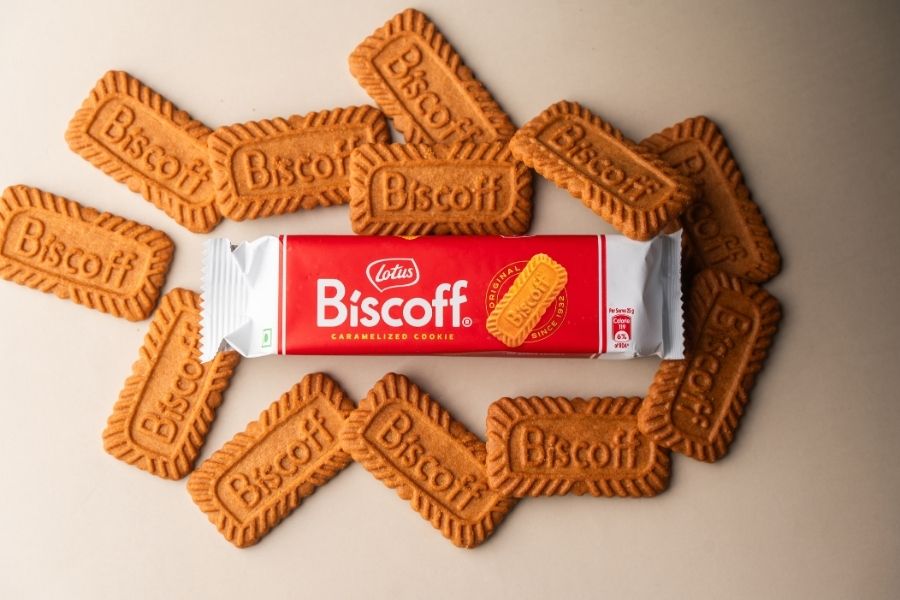
When Lotus Biscoff officially launched in India through a partnership with Mondelez, it felt like a watershed moment for dessert lovers.
A biscuit that once travelled in suitcases from abroad and cost close to Rs 300 a pack was suddenly available for as little as Rs 10. But, as the biscuit went from imported premium to mass market bite, a different conversation took over social media. Does the Indian Biscoff taste the same as the original?
After social media users began debating the taste difference, the brand addressed the buzz through an official post. Thanking Indian consumers for the love, Biscoff said it was “delighted by the response” and reaffirmed that it follows “same ingredients, same standards” globally.
It clarified that ingredient names may vary due to local labelling requirements and that the biscuits are now made closer to home using the brand’s original recipe.
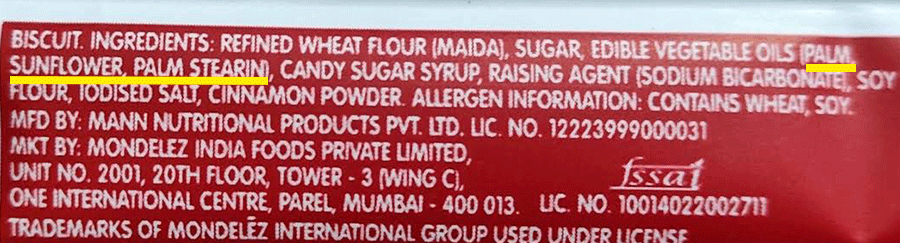
Still, the debate persists. The Indian version uses palm oil with sunflower oil, while imported packs use palm oil with canola oil, as per the ingredients listed on the back of the India-made Biscoff. For a biscuit defined by its nutty caramelised depth and cinnamon aroma, even subtle changes are hard to ignore.
What bakers are noticing
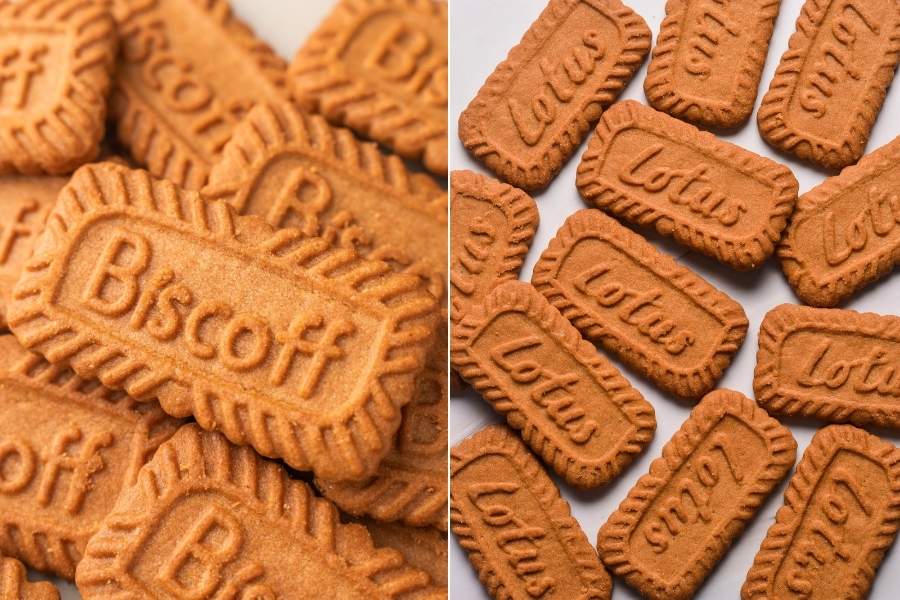
For Kolkata baker Simran Kapur of Cookey Monkey, the switch has been practical, but not perfect. “We have switched to the biscuit, the Indian biscuit, because it's more readily available. Secondly, it's more price-efficient. However, there is a slight taste difference, slight texture, look, there's a quality difference, of course,” she said.
Kapur explained that import price fluctuations make it difficult for bakeries to rely on foreign stock. To bridge the gap, she continues using imported Biscoff spread in desserts like cheesecakes, brownies and cake tubs.
“There isn't a massive change in taste, because we use the product in mostly cheesecakes and cake tubs, where there is a mix of the spread as well as the biscuit,” she said. She also describes the Indian biscuit as “very Parle-G coded”, while the imported version feels more premium in look and finish.
The missing caramel aftertaste
Chef trainer Subhadip Saha of IHM Taratala is more critical. “The original Lotus is much more buttery and that caramel taste stays. The aftertaste is slightly bitter, nutty, and complex. The new one is sweeter, a little hard, and the flavour of butter and caramel is much less,” said Saha.
According to Saha, Indian palates often prefer more sweetness. “That bitter caramel aftertaste is not widely accepted here, and that is making the local version feel like a cheap version,” he added.
Influencers and creators weigh in
Several content creators have echoed similar concerns. Mumbai-based creator Nikhil Sharma wrote, “Time and again have been disappointed with the downgrade in quality when international brands launch here in India… nothing even close to the OG version.”
Kolkata-based chef and Paprika Gourmet founder Vidisha Bathwal takes a more nuanced view. “Honestly, it’s not the same. The original had that deep caramelised, slightly burnt, spiced flavour. This one feels lighter and sweeter.”
Still, she added, “For recipes, it actually works fine. Once it’s mixed with butter, cream, chocolate or coffee, the missing depth doesn’t matter much.”
Mondelez India responds to My Kolkata story
On Saturday, a team representing Mondelez reached out to My Kolkata with a clarification. "The biscuits are crafted using the same original recipe and ingredients as those enjoyed globally, through a partnership between Mondelēz India and Lotus Bakeries, with every cookie made to give the same authentic taste and experience," the communique said, adding, "we're committed to delivering the same quality our consumers have always trusted."