Bengalis love rice — be it pulao along with spicy mutton or good old bhaate-bhaat with loads of butter and mashed potatoes — not a single day goes without it.
But what about the leftover starch of rice? Does that have any nutritional value?
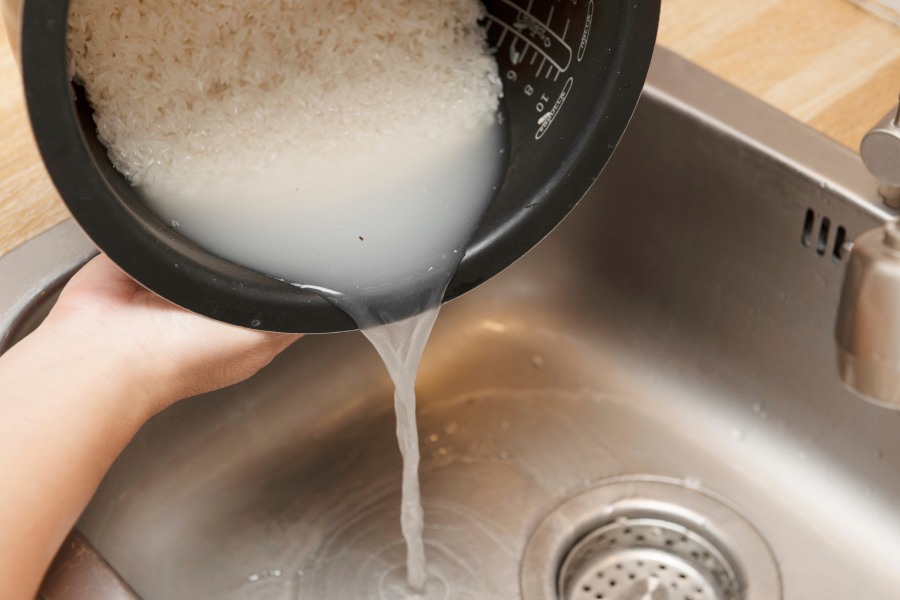
Known as ‘phyan’ in Bengali households, the starchy water left behind after boiling rice has long been associated with home remedies. While some discard it without a second thought, others swear by its health benefits, from aiding digestion to providing a quick source of energy.
But what do the medical experts say about it? Is rice starch really good for us, or is it simply an age-old kitchen tradition passed down through generations?
According to Ipshita Chakraborty, HOD, Dietetics, at CMRI, rice starch can become a source of resistant starch when cooked rice is cooled and stored for several hours. Resistant starch behaves like dietary fibre, promoting gut health by feeding beneficial bacteria and supporting digestion.
“Rice is the main carbohydrate source in our diet. When cooked rice is cooled and kept in the refrigerator for at least 12 hours, resistant starch develops. This resistant starch acts like fibre and passes undigested into the colon, where it feeds good bacteria and improves gut health,” she said.
Apart from aiding digestion, resistant starch may also help regulate blood sugar levels by slowing glucose absorption, making it a useful dietary addition for people managing Type 2 diabetes.
The benefits of rice starch are not limited to nutrition. Chakraborty notes that rice starch water, traditionally consumed during stomach upsets and diarrhoea, helps maintain hydration and provides easily available carbohydrates for energy.
“Rice starch water, called kanji, has traditionally been used to treat upset stomachs and diarrhoea. It provides carbohydrates for energy, helps maintain hydration and supports electrolyte balance.”
Beyond the kitchen, rice starch has also become a popular ingredient in skincare routines due to its soothing and anti-inflammatory properties.
Echoing similar views, dietician Srinwanti Dutta of Woodlands Multispeciality Hospital says rice starch is an important source of energy and can be particularly beneficial when consumed as resistant starch.
She also advises pairing rice-based meals with protein-rich foods and vegetables to aid digestion and minimise blood sugar spikes.
“Always eat rice starch with protein-rich food and vegetables, which naturally slow down digestion and prevent blood sugar surges. Resistant starch is gut-friendly, stabilises blood sugar, increases satiety and assists weight management. Resistant starch occurs naturally in many plant foods like legumes, grains like oats, barley, whole wheat products, green bananas, and raw potatoes,” she said.
Rice starch is not just limited to home kitchens. According to Dutta, it is widely used in the food industry as a thickening, binding, stabilising and gelling agent in products ranging from soups and baby foods to puddings, sauces, snacks and ice creams.
Its applications extend beyond food as well, finding use in pharmaceuticals, beauty and personal care products, paper manufacturing, plastics, fabrics and various industrial processes.