“Just as Kolkata is often seen as an underdog city in India, Kalimpong, too, remains an underdog among the country’s hill towns,” said Iftekhar Ahsan, founder of Calcutta Walks, who brought together people from Kalimpong in Kolkata for an adda session on Thursday, celebrating stories, food, and more.
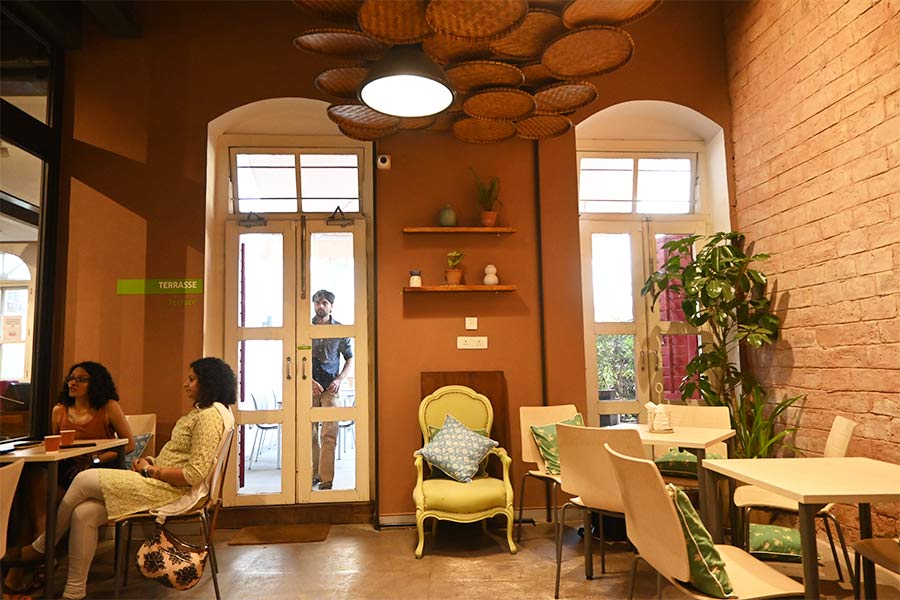
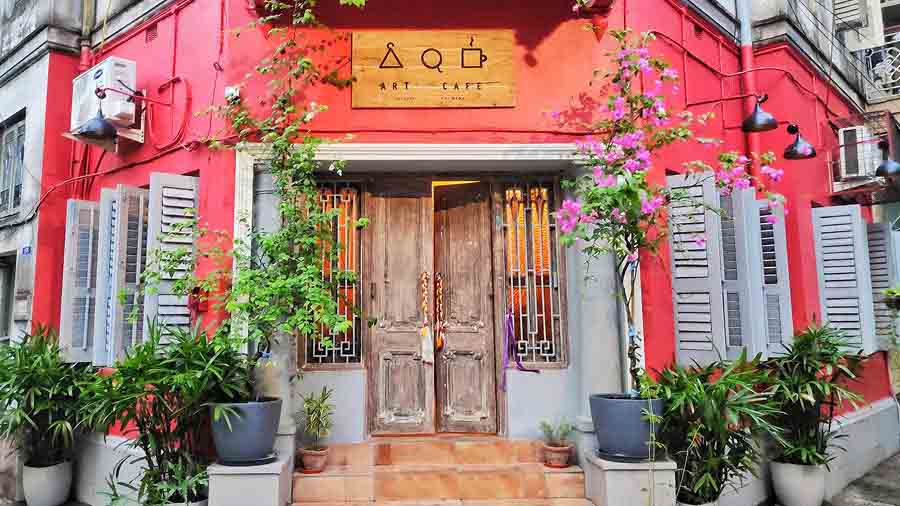
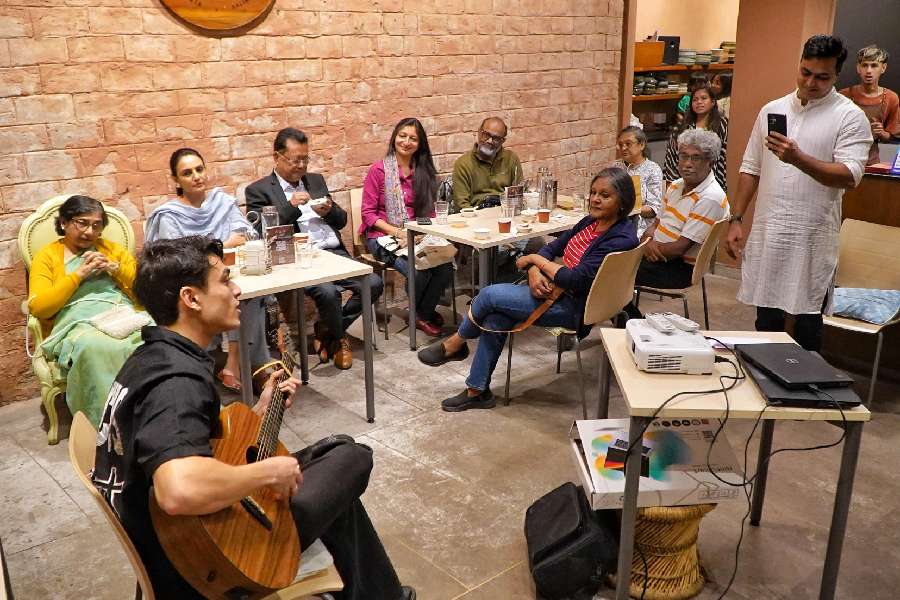
Held at Cafe Mueller by Art Cafe at Park Mansion on Park Street, the adda offered space to reflect on why Kalimpong continues to live in the hearts of Kolkatans as a place of pause, creativity, and unspoken familiarity.
Drawing comparisons between Kolkata and Kalimpong, Iftekhar explained that both places carry their legacies without the need to flaunt them. It is this shared sensibility, he said, that underpins his interest in Kalimpong and informs his ongoing work curating the 25-room Kalimpong Bungalow.
As conversations stretched late into the evening, guests shared experiences rooted in Kalimpong, allowing the town to emerge as more than just a hill station and offering perspectives that guide Iftekar’s work.
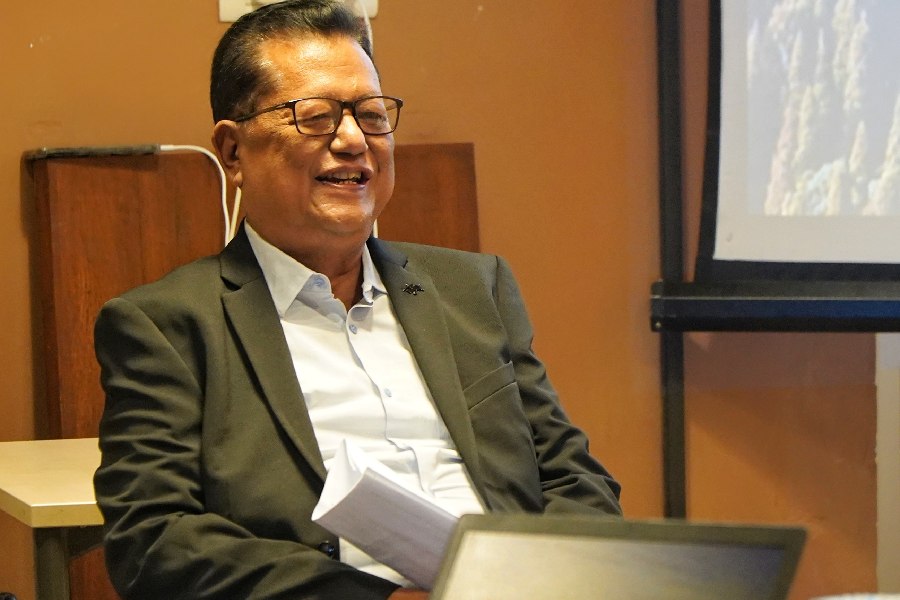
Kalimpong provided a refuge for Jawaharlal Nehru during his illness. Author Samsher Ali, celebrated for his work in Nepali literature, shared some little-known stories about Kalimpong.
For Ali, Kalimpong is a land rich in flora and fauna and a place where people feel a deep sense of belonging. According to him, the momos that are now celebrated widespread originated from Kalimpong. “Momos, now enjoyed across the country, were first popularised in Kalimpong,” said Ali.
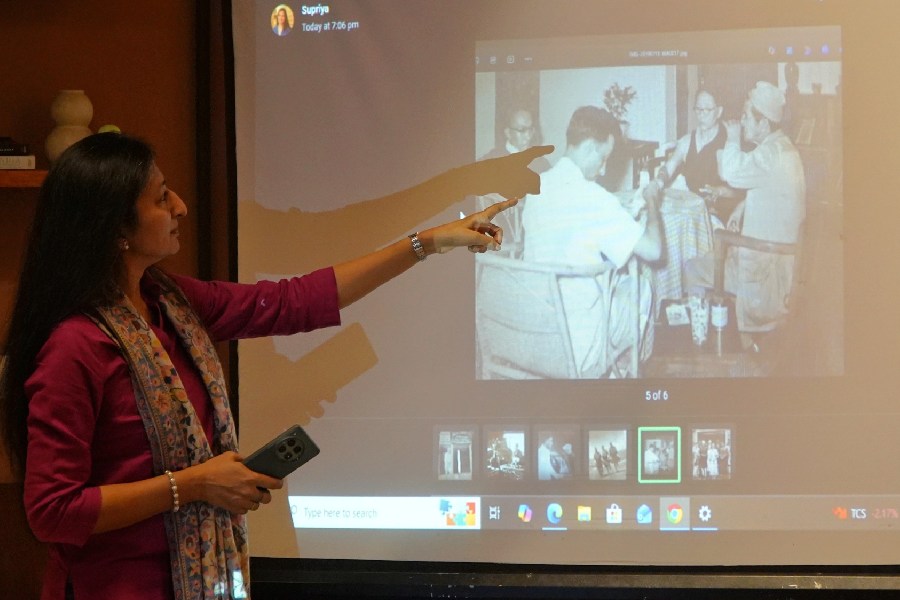
For Supriya Newar, Kalimpong holds deep personal significance as her mother was born there. Her maternal grandfather, O. M. Mintri, was among the town’s most renowned figures, and R. C. Mintri Road is still named after the family.
She reminisced about summers spent in the hills and cherished moments with her maternal grandparents. Speaking of the famous Lapsi candy, a traditional sweet-and-sour treat cherished in Kalimpong, Newar recalled, “I remember bringing a small box of them back from the holidays for my friends in Kolkata.”
Drawing inspiration from author Jhumpa Lahiri’s recent reflections on belonging at the Kolkata Literary Meet 2026, Newar shared that while her sense of belonging is rooted in Kolkata, a part of her heart will always remain in Kalimpong.
“Kalimpong isn’t just a place, it’s part of my heartbeat.”
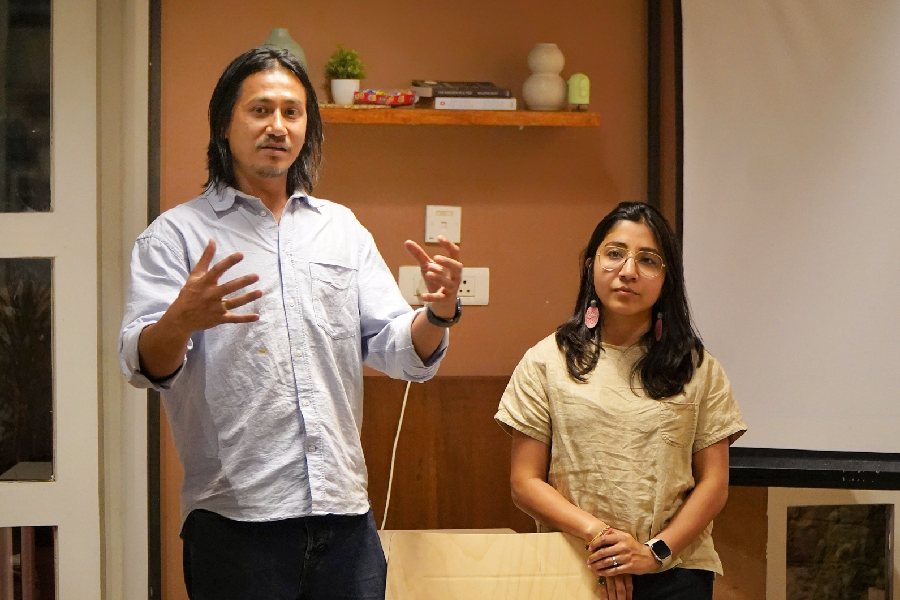
Pravesh Chettri and Yachna Rizal, founders of The Art Cafe, spoke about leaving corporate jobs to make Kalimpong their home.
Reflecting on how Kalimpong was often treated merely as a “destination”, they asked themselves, “Why isn’t Kalimpong explored despite its cultural heritage?”
With many in Kolkata unaware of Kalimpong’s lesser-known attractions, the couple launched The Art Cafe in 2015 to help people experience the town beyond the usual tourist spots. The Kolkata branch opened in 2023.
“The Art Cafe is now considered a landmark of Kalimpong. If you visit Kalimpong, you have to visit The Art Cafe,” noted Iftekhar.
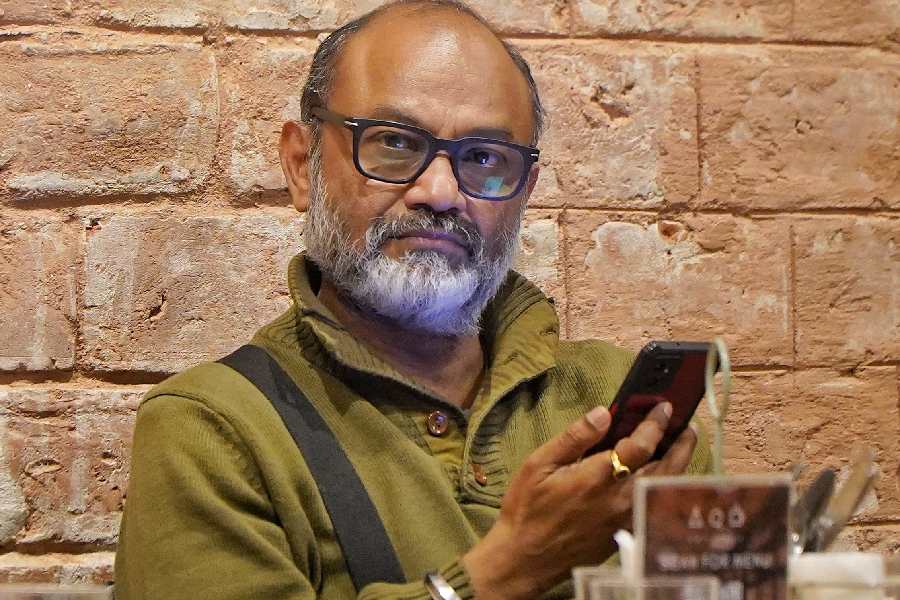
Raj Bhattacharjee, president of Kothakoi Foundation, described Kalimpong as “home”.
“Home is a place that isn’t noisy. A place where you can just sit back and be at peace. That’s what Kalimpong is,” he said. He added that it is a quaint, calm town, much like Bangalore and other metros once used to be.
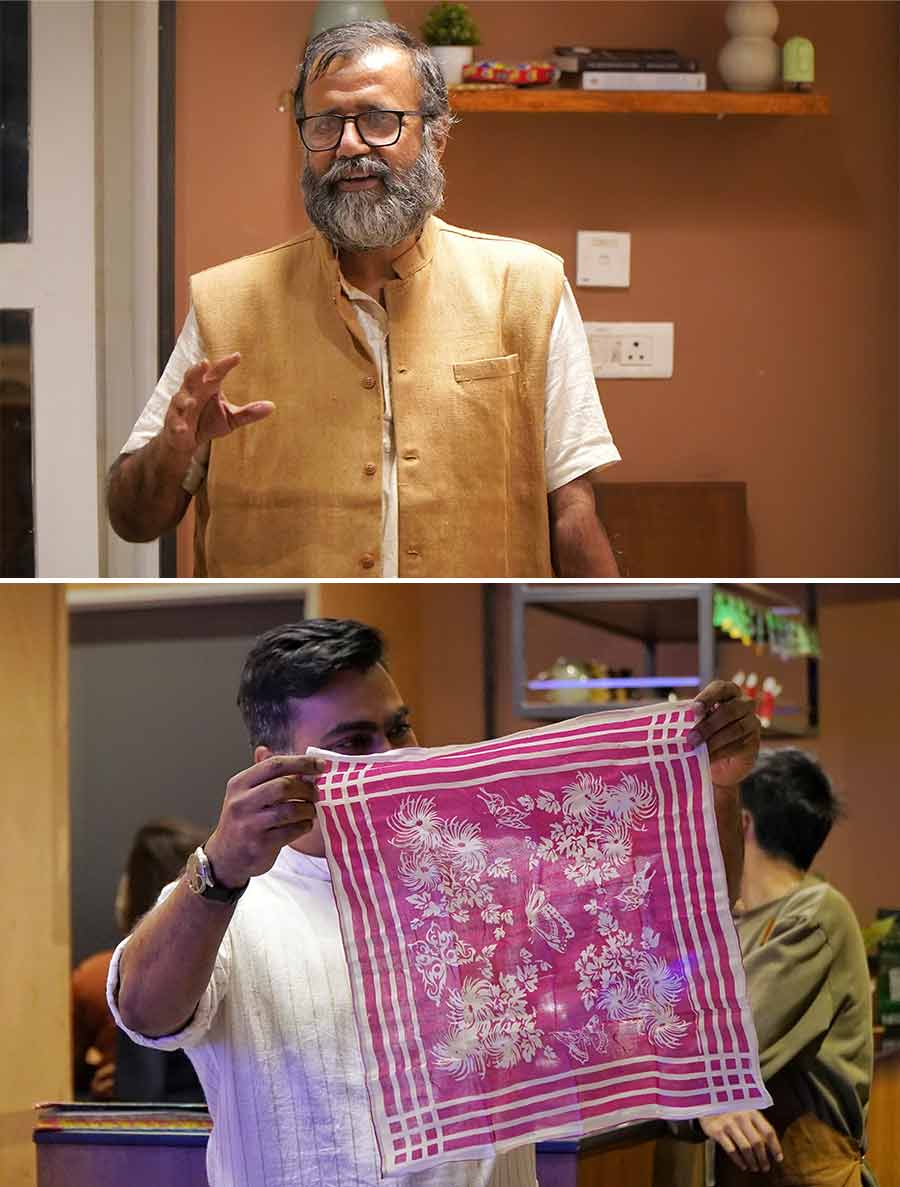
Speaking about Kalimpong’s textile industry and its famous handkerchief, Arup Rakshit, a member of the MG Gramodyog Sewa Sansthan Foundation, highlighted efforts toward sustainable living by promoting polyester-free fabrics and reviving traditional natural dyeing and block-print techniques. This, he said, helps preserve the town’s cultural identity.
“Kalimpong doesn’t get talked about much compared to its glamorous cousin Darjeeling. But Kalimpong is a real place, ideal for slow living. And through this adda session, we wanted to experience a slice of Kalimpong along with the real living people of that place, fighting everyday to put it on the map. Its charm and stories make it a hill town worth visiting for everyone,” shared Iftekhar.
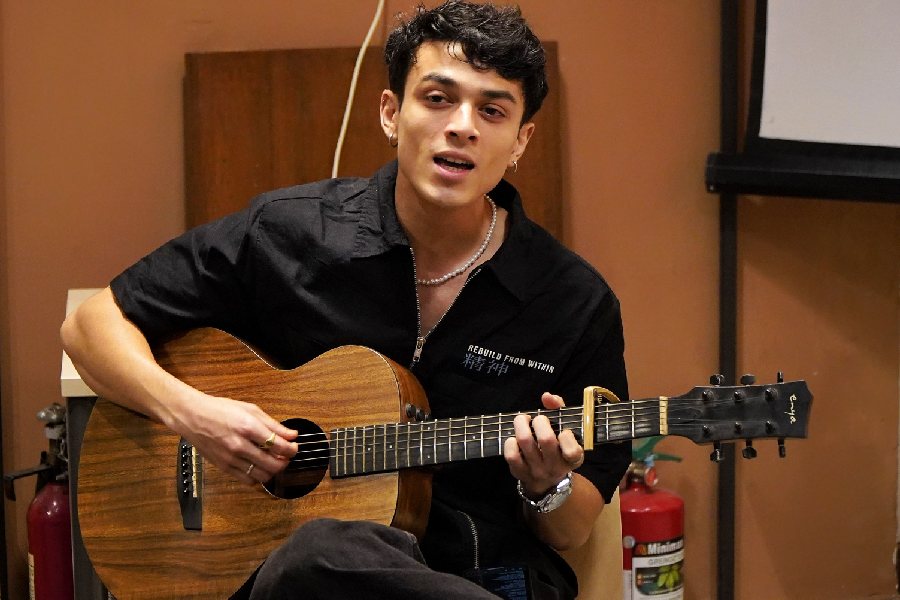
The evening felt like sitting in the hills, with Dreewaz Chhetri performing traditional local songs of Kalimpong. “Only the Kanchenjunga is missing, everything else is perfect,” noted Supriya Newar.