There was a time when confectionaries occupied a modest corner of the food landscape. They were places where people picked up a loaf of bread, a birthday cake or perhaps a box of pastries for a special occasion. Today, bakeries have become destinations in their own right. From artisanal sourdough bakeries in Copenhagen and Tokyo to croissant-focused cafés in Mumbai and Bengaluru, the bakery has transformed into one of the most dynamic spaces in modern food culture.
Across the world, consumers are increasingly gravitating towards handcrafted breads, laminated pastries, slow fermentation techniques and small-batch baking. Industry reports estimate that the global confectionary market is worth well over half a trillion dollars, while the artisan bakery segment continues to grow steadily as consumers seek quality, authenticity and craftsmanship over mass-produced products. Premium baked goods, sourdough breads, specialty viennoiserie and chef-led pastry concepts are among the biggest drivers of this growth.
India is mirroring this shift in a particularly exciting way. The country’s bakery scene has evolved far beyond neighbourhood cake shops. Today’s consumers are lining up for pain au chocolat, Basque cheesecakes, sourdough country loaves, Kouign-amann, Maritozzi and fruit-forward entremets. Social media has accelerated this movement, turning patisseries into cultural spaces where aesthetics, craftsmanship and storytelling matter as much as flavour.
The result is a bakery renaissance that is changing how people eat, celebrate and even travel.
The Bakery Boom
The current bakery boom is not simply about bread. It reflects broader changes in consumer behaviour.
First, there is a growing appreciation for artisanal production. Customers want to know who made their croissant, how long the dough fermented and where the flour was sourced. Traditional techniques that once seemed old-fashioned are now regarded as markers of quality.
Second, the rise of café culture has elevated bakeries into lifestyle destinations. A bakery today often functions as a community hub where people work remotely, meet friends or spend leisurely weekends.
Third, social media has transformed pastries into visual icons. A perfectly laminated croissant, a glossy fruit tart or a beautifully scored sourdough loaf can travel around the world within minutes.
Finally, there is a renewed interest in comfort food. Bread and pastry offer familiarity and indulgence at a time when consumers increasingly seek small everyday luxuries. This trend is evident from Paris to Seoul and from London to Mumbai.
The Pastry Chefs Who Changed the World
Modern bakery culture owes much to a handful of visionary pastry chefs who elevated baking from craft to art.
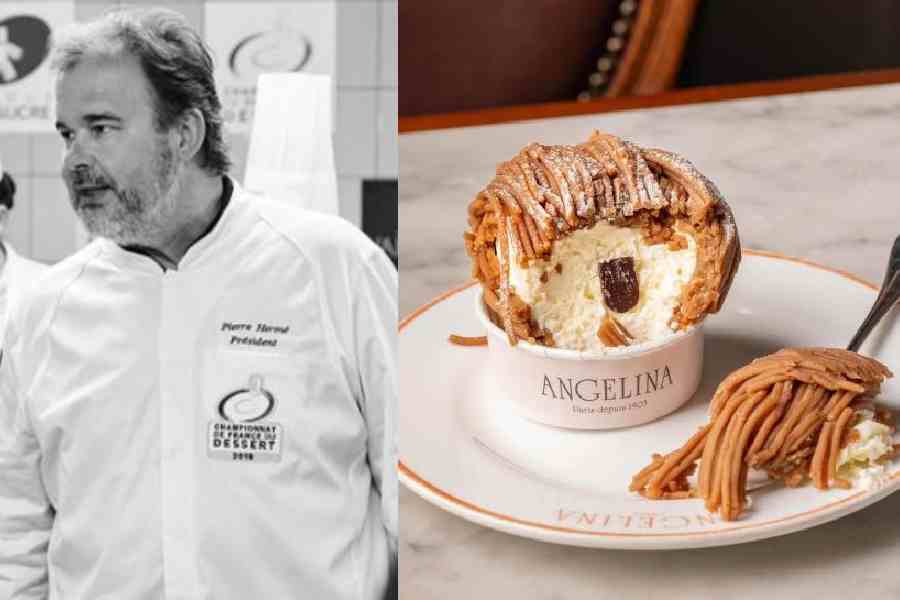
Pierre Hermé
Often called the “Picasso of Pastry”, Pierre Hermé revolutionised the French macaron. His inventive flavour combinations, including rose, lychee and raspberry, transformed a traditional confection into a luxury global phenomenon. His work helped redefine contemporary French pâtisserie and inspired a generation of pastry chefs.
Dominique Ansel
Few pastry chefs have influenced modern bakery culture as dramatically as Dominique Ansel. His invention of the Cronut in New York sparked one of the biggest food crazes of the 21st century. More importantly, he demonstrated how innovation and craftsmanship could coexist within classic French pastry traditions.
Cédric Grolet
Known for hyper-realistic fruit desserts that resemble actual fruits, Cédric Grolet has become one of the most influential pastry chefs of the Instagram era. His creations blurred the line between sculpture and dessert and helped bring pastry into mainstream popular culture.
Christophe Michalak
A former World Pastry Champion, Michalak helped modernise French pastry through lighter textures, contemporary presentation and a more accessible approach to luxury desserts.
Richard Hart
One of the most respected names in artisan bread, Richard Hart played a major role in popularising sourdough culture internationally. His work helped establish a new standard for naturally leavened bread and influenced bakeries across Europe and North America.
Iginio Massari
Widely regarded as Italy’s greatest pastry master, Massari has mentored generations of bakers and pastry chefs. His influence extends across Europe and his dedication to technique continues to shape modern pastry education.
Together, these chefs transformed baking into a globally celebrated culinary discipline.
Ten Bakeries That Define Excellence Around the World
Pierre Hermé, Paris
Among the world’s most celebrated pâtisseries, Pierre Hermé remains synonymous with innovation. Every pastry reflects a balance of precision, elegance and bold flavour. While the menu changes seasonally, the bakery’s most iconic creation remains the Ispahan Macaron, combining rose, raspberry and lychee in a flavour profile that has become legendary among pastry enthusiasts.
Dominique Ansel Bakery, New York
This New York institution became internationally famous after introducing the Cronut, a croissant-doughnut hybrid that generated queues stretching around city blocks. Years later, the bakery continues to exemplify creativity, combining classic French techniques with distinctly American imagination. Its signature item remains the Cronut.
Hart Bageri, Copenhagen
Founded by renowned baker Richard Hart, this Copenhagen favourite represents the pinnacle of modern Nordic baking. The bakery’s philosophy centres on exceptional ingredients, meticulous fermentation and flawless execution. Visitors particularly seek out their Cardamom Bun, which has become one of Scandinavia’s most celebrated pastries.
Du Pain et des Idées, Paris
A beloved Parisian institution, this bakery combines old-world charm with extraordinary craftsmanship. Its breads and pastries are admired by locals and tourists alike. The standout item is the Pistachio and Chocolate Escargot Pastry, a beautifully spiralled brioche creation that perfectly balances richness and restraint.
Conditori La Glace, Copenhagen
Established in 1870, Conditori La Glace is among Denmark’s most historic pastry destinations. Elegant cakes, traditional techniques and timeless recipes define the experience. The bakery is particularly renowned for its Layer Cakes, which have become a symbol of classic Danish confectionery.
Demel, Vienna
Vienna’s café culture would be incomplete without Demel. Once a supplier to the imperial court, the bakery continues to produce pastries that celebrate Austria’s rich baking heritage. Its most famous offering remains the Sachertorte, a chocolate cake layered with apricot jam and finished with a glossy chocolate glaze.
Pâtisserie Sadaharu Aoki, Tokyo and Paris
Sadaharu Aoki’s unique blending of French pastry technique and Japanese flavours has made him a global icon. Matcha, yuzu and black sesame appear throughout his creations. The bakery’s most celebrated item is its Matcha Éclair, which perfectly captures this East-meets-West philosophy.
Tiong Bahru Bakery, Singapore
Widely credited with helping define Singapore’s artisanal bakery movement, Tiong Bahru Bakery combines French techniques with a distinctly local sensibility. The bakery’s buttery csroissant remains its signature and one of the city’s most sought-after breakfast items.
Angelina, Paris
More than a century old, Angelina remains one of Paris’s most iconic pastry destinations. While famous for its luxurious hot chocolate, pastry lovers visit specifically for the Mont Blanc, a chestnut cream dessert that has become synonymous with the brand.
Juno the Bakery, Copenhagen
Juno represents the new generation of Scandinavian bakeries where simplicity, quality and craftsmanship are paramount. The bakery has achieved cult status thanks to its perfectly laminated Cardamom Bun, often considered among the best pastries in Europe.
India’s Bakery Revolution
India’s confectionery story is particularly fascinating because it blends global influences with local tastes. A decade ago, croissants and sourdough loaves were largely confined to luxury hotels and select cafés. Today, they are available in independent bakeries across metropolitan cities. Consumers have become more knowledgeable about fermentation, butter quality, flour types and pastry techniques.
The rise of travel, exposure to international food culture, social media and chef entrepreneurship has accelerated the movement. Young Indians are willing to pay premium prices for exceptional baked goods, and bakeries have responded with products that rival international standards.
Six Indian Bakery Brands Leading the Way
Suchali’s Artisan Bakehouse
Founded by pastry chef Suchali Das Gupta, this Delhi-based bakery helped popularise artisan baking in India. Known for its naturally fermented breads, croissants and seasonal pastries, Suchali’s introduced many Indian consumers to European-style baking done with precision and integrity. The bakery’s sourdough breads remain particularly influential.
Theobroma
What began as a small Mumbai patisserie has grown into one of India’s most recognisable bakery brands. Theobroma built its reputation on indulgent desserts and consistent quality. Its brownie remains one of the country’s most iconic bakery products and helped establish the brand’s cult following.
L’Opéra
Founded by French chef Laurent Samandari, L’Opéra brought authentic French pâtisserie to India long before it became fashionable. Macarons, viennoiserie and elegant desserts helped establish the benchmark for premium French baking in the country.
Sourdough & Co.
Part of the newer generation of artisan bakeries, Sourdough & Co. reflects the growing appetite for naturally fermented breads and long fermentation techniques. The bakery has played a role in educating consumers about the flavour and nutritional benefits of sourdough.
Lavonne Café and Bakery
Bengaluru’s Lavonne has become one of India’s most respected pastry destinations. Combining a pastry school with a bakery and café, it has helped train the next generation of pastry professionals while producing desserts that consistently attract devoted followers.
Bread & Chocolate
With outlets in Goa and Bengaluru, Bread & Chocolate has become synonymous with handcrafted baking. The bakery’s rustic breads, laminated pastries and relaxed atmosphere have made it a favourite among travellers and locals alike.
Beyond the oven
The modern bakery is no longer just a retail outlet. It is part workshop, part café, part creative studio and part community space. Customers increasingly value transparency. They want to know where ingredients come from, how products are made and who is behind the brand. Many successful bakeries now mill their own flour, work with local farmers or experiment with heritage grains.
The focus has also shifted from quantity to quality. A new bakery may offer fewer products than a traditional chain, but each item is carefully developed and executed.
This emphasis on craftsmanship has elevated bakers to celebrity status. In many cities, bakery openings now generate as much excitement as restaurant launches.
What India’s Top Chefs Have to Say
Across luxury hotels, standalone bakeries and hospitality groups, there is a shared belief that what India is witnessing in confectionery today is not a fleeting trend but a long-term cultural shift.
Celebrity chef Pooja Dhingra recalls that “for a long time, bakery in India meant either the neighbourhood Iyengar bakery (which, for the record, is iconic and irreplaceable) or a hotel pastry counter”. She notes: What’s shifted in the last decade is that people started travelling more, eating more intentionally, and coming back wanting that croissant, that Kouign-amann. What bakeries abroad have done isn’t just inspire recipes but they’ve raised the bar on what a bakery experience should feel like. The light, the queues, the ritual of it. Places like Du Pain et des Idées in Paris or Tartine in San Francisco didn’t just make great bread, they made going to a bakery feel like going somewhere special. That’s what the best of the new Indian bakery generation is now building into its DNA. The other shift worth noting: ingredients and technique access have genuinely improved. Better butter, better flour, more trained pastry chefs. The foundation is there in a way it simply wasn’t 15 years ago. My personal favourite is Pierre Hermé in Paris. Not just for the macarons (though yes, obviously), but for the rigour. Every flavour has a logic to it. It was also a formative reference point when I was training in Paris, so it holds a particular place for me.”
Chef Mohammed Eliyaz, executive chef at Conrad Bengaluru, frames this transformation as part of a larger evolution in how people engage with food. According to him, consumers today are no longer looking at food purely as a necessity but as an experience. Exposure to global culinary cultures through travel, digital platforms and international hospitality brands has created a more informed audience that values the precision, artistry and discipline behind baking. This has naturally led to a growing demand for handcrafted breads, refined pastries and desserts that highlight both technique and ingredient quality. He also points to an emerging trend that reflects global thinking, the use of vegetables such as beetroot, pumpkin and sweet potato in desserts, signalling a move toward seasonality and sustainability.
This perspective is echoed by chefs across the country. At Fairmont Udaipur Palace, the pastry team notes a clear shift toward artisanal sourdough, carefully executed viennoiserie and luxury desserts that balance indulgence with a more thoughtful, health-conscious approach. The modern Indian palate, they suggest, is seeking harmony between global techniques and local heritage, rather than choosing one over the other.
From a similar vantage point, the team at Pune Baking Company at JW Marriott observes that the Indian bakery industry is entering a transformative phase. Consumers are no longer satisfied with just sweetness or familiarity. They are looking for refinement, craftsmanship and innovation, while still expecting flavours that resonate culturally. This dual demand is pushing bakeries to evolve rapidly, raising both creative and technical standards across the board.
Chef Manikandan Sivamoorthy of JW Marriott Bengaluru Prestige Golfshire adds another important dimension to the conversation. While acknowledging the influence of international bakeries in introducing new techniques and presentation styles, he emphasises that the real excitement lies in how Indian bakers are adapting these ideas. By incorporating regional ingredients and local flavour profiles, they are creating products that feel original rather than derivative. For him, this blending of global inspiration with local identity is what defines the current moment in Indian baking.
There is also a strong entrepreneurial perspective shaping this evolution. Ranjit Bindra, CEO and Founder of Bastian Hospitality, highlights how bakeries are increasingly being conceptualised as experiential spaces rather than traditional retail outlets. Drawing inspiration from global bakery cultures, Bastian Bakery and concepts like The Temptation Room have been designed to offer abundance, interactivity and a sense of discovery. The idea is to move beyond a simple transaction and create an environment where guests engage with desserts in a more immersive and playful way.
Chef Sumeet Lundwani of The Ritz-Carlton, Pune, brings the conversation back to inspiration. He reflects on how iconic global patisseries such as Pierre Hermé continue to influence chefs in India. What stands out to him is the precision and balance in such establishments, reinforcing the idea that baking sits at the intersection of art and science. These global benchmarks continue to inspire Indian pastry chefs to push boundaries while maintaining technical rigour.
Taken together, these perspectives paint a clear picture. India’s bakery boom is not just being driven by consumer demand or global trends. It is being actively shaped by chefs, bakers and entrepreneurs who are redefining what a confectionery can be. Their collective vision points toward a future where Indian baking is not only globally competitive but also confidently rooted in its own identity.
The Future of Baking
The bakery boom shows no signs of slowing down. Globally, demand for artisan breads, premium pastries and handcrafted baked goods continues to rise. Cities such as Paris, Copenhagen, Tokyo and London remain influential centres of innovation, while newer markets across Asia are rapidly developing their own identities. Industry forecasts suggest sustained growth for both the bakery sector and the artisan bakery segment over the coming decade.
India is likely to be one of the most exciting markets to watch. The country’s young consumer base, growing café culture and willingness to embrace global food trends create fertile ground for bakery entrepreneurship. At the same time, Indian bakers are increasingly drawing inspiration from local ingredients, regional flavours and indigenous grains.
The next chapter of India’s bakery story may not be about copying Paris or Copenhagen. It may be about creating a uniquely Indian pastry identity. And if the queues outside the country’s best patisseries are any indication, that future has already begun.