| Asanas have the power of being both dynamic and static, the first being those that involve energetic movements of the body, and the second exerting a more subtle and powerful effect on the pranic and mental entities. They are performed with little movement and the body remains in one position for some minutes. This month’s capsule combines both dynamic and static asanas. |
| |
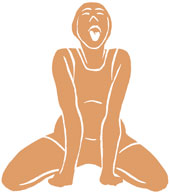
| SIMHAGARJANASANA (roaring lion pose) |
| Sit in Vajrasana with the knees about 45 cm apart. Place the palms of the hands on the floor between the knees, with the fingers pointing towards the body. Lean forward, resting the body on the straightened arms. Arch the back and gently tilt the back so that there is a comfortable amount of tension in the neck. Open the eyes and gaze at the eyebrow centre. Relax the whole body. |
| BREATHING: Keep the mouth closed. Inhale slowly and deeply through the nose. At the end of the inhalation open the mouth and extend the tongue out as far as possible towards the chin. While slowly exhaling, produce a clear, steady “aaah” sound from the throat, keeping the mouth wide open. At the end of the exhalation, close the mouth and breathe in. This is one round. |
| BENEFITS: Alleviates diseases of the throat, nose, ears, eyes and mouth. Tension is removed from the chest and the diaphragm. It develops a strong and beautiful voice. |
| |
| |
| DHANURASANA (bow pose) |
| Lie flat on the stomach with the legs and feet together, and the arms and hands beside the body. Bend the knees and bring the heels close to the buttocks. Clasp the hands around the ankles. Place the chin on the floor. This is the starting position. Tense the leg muscles and push the feet away from the body. Arch the back, lifting the thighs, chest and head together. Keep the arms straight. In the final position the head is tilted back and the abdomen supports the entire body on the floor. The only muscular contraction is in the legs; the back and arms remain relaxed. Hold the final position for as long as is comfortable and then, slowly relaxing the leg muscles, lower the legs, chest and head to the starting position. Release the pose and relax in the prone position until the respiration returns to normal. This is one round. |
| BREATHING: Inhale deeply in the starting position. Retain the breath while raising the body. Retain the breath inside in the final position or practise slow, deep breathing so that the body rocks gently in tandem with the breath. Exhale while returning to the prone position. Practise three to five rounds. |
| CONTRA-INDICATIONS: People who suffer from a weak heart, high blood pressure, hernia, colitis, peptic or duodenal ulcers should not attempt this practice. |
| BENEFITS: The entire alimentary canal is reconditioned by this asana, as are the liver, abdominal organs and muscles and the kidneys. The reproductive system also benefits from this asana. The spinal column is realigned and the ligaments, muscles and nerves are given a good stretch, removing stiffness. |
| |
| |
| ARDHA PADMA PASCHIMOTTANASANA (half lotus back stretching pose) |
| Sit with both legs outstretched. Bend the leg and place the left foot as high as possible on the right thigh, turning the sole of the foot up. Press the heel firmly into the abdomen. Bend forward slightly, throw the left arm behind the back and try to clasp the toes of the left foot with the left hand. Sit upright again. Relax the whole body, especially the back muscles. Lean forward and clasp the toes of the right foot with the right hand. Utilising the arms, not the back muscles, slowly pull the trunk forward so that the forehead is near to or resting on the straight knee. This is the final position. Hold the pose for as long as is comfortable. Release the hands and slowly sit up. Repeat the technique with the other leg. Practise upto three rounds |
| BREATHING: Inhale in the upright position. Exhale bending forward into the final position. Breathe slowly and deeply in the final position or retain the breath outside if holding the pose for a short time. Inhale while returning to the upright position. |
| CONTRA-INDICATIONS: People who suffer from slipped disc or sciatica should not practise this asana. |
| BENEFITS: Stretches the hamstring muscles, massages the entire abdominal and pelvic regions including the liver, pancreas, spleen, kidneys and adrenal glands. It stimulates circulation to the nerves and muscles of the spine, helps to stimulate intestinal peristalsis and alleviates constipation. This prepares the legs and hips for prolonged sitting in meditation. |
| |
| |
| MATSYASANA (fish pose) |
| Sit in a cross-legged pose or Padmasana and relax the whole body. Carefully bend backward, supporting the body with the arms and elbows. Lift the chest slightly, take the head back and lower the crown of the head to the floor. Hold the big toes and rest the elbows on the floor. Adjust the position of the head so that the maximum arch of the back is attained. Relax the arms and the whole body, allowing the head, buttocks and legs to support the weight of the body. Close the eyes and breathe slowly and deeply. Turn to the starting position, reversing the order of movements. Repeat the asana, with the legs crossed the other way. Hold the position each time for one to three minutes. |
| CONTRA-INDICATIONs: People who suffer from heart diseases, peptic ulcers, hernia, a back condition or any serious illness should not practise this asana. |
| BENEFITS: This asana stretches the intestines and abdominal organs and is useful for all abdomen ailments. It is a good practice for victims of asthma and bronchitis as it encourages deep respiration. It alleviates backache and cervical spondylitis, regulates the functioning of the thyroid gland and stimulates the thymus gland, boosting the immune system. |
| |
| |
| GOMUKHASANA (cow’s face pose) |
| Sit on the floor with one knee on top of the other and the heels on the either side of the buttocks. The right knee is directly above the left knee. Place the left arm behind the back and the right arm over the right shoulder. The back of the left hand should lie in contact with the spine while the palm of the right hand rests against the spine. Try to clasp the fingers of both hands behind the back. Bring the raised elbow behind the head so that the head presses against the inside of the raised arm. The spine should be erect and the head back. Close the eyes. Stay in this position for up to two minutes. Unclasp the hands, straighten the legs and repeat with the left knee uppermost and the left arm over the left shoulder. |
| BREATHING: Normal in the final position. |
| BENEFITS: It induces relaxation and alleviates tiredness, tension and anxiety if practised for 10 minutes. It stimulates the kidneys, relieves backache, sciatica, rheumatism and general stiffness of the shoulders. It improves breathing capacity, alleviates cramps in the legs and makes the leg muscles supple. |
| |
|
| The asanas given above should be performed in the sequence given below: |
| Simhagarjanasana (roaring lion pose) |
| Surya Namaskar (sun salutation) as shown earlier |
| Trikonasana (triangle pose) variation 1 to 4 |
| Dhanurasana (bow pose) |
| Ardha Padma Paschimottanasana (half lotus back stretching pose) |
| Matsyasana (fish pose) |
| Gomukhasana (cow’s face pose) |
| Shavasana (corpse pose) as shown earlier. |
 Wednesday, 11 February 2026