
It was a very special Navroz or New Year for Parsis settled in India on Wednesday.
Though Parsis the world over observe Navroz on March 21 according to the Zoroastrian calendar, those in India celebrate another new year according to the Shenshai calendar they adapted after settling in Gujarat during the 8th or 10th centuries.
But, the celebrations, including customs and rituals, are same in both, said young Parsi entrepreneur Varun Gazder in Jamshedpur.
"We celebrated Navroz with our family," Varun said. "We go to the agiary (Parsi fire temple) in the morning for special prayers but some of our friends and family walk in anytime to seek blessings."
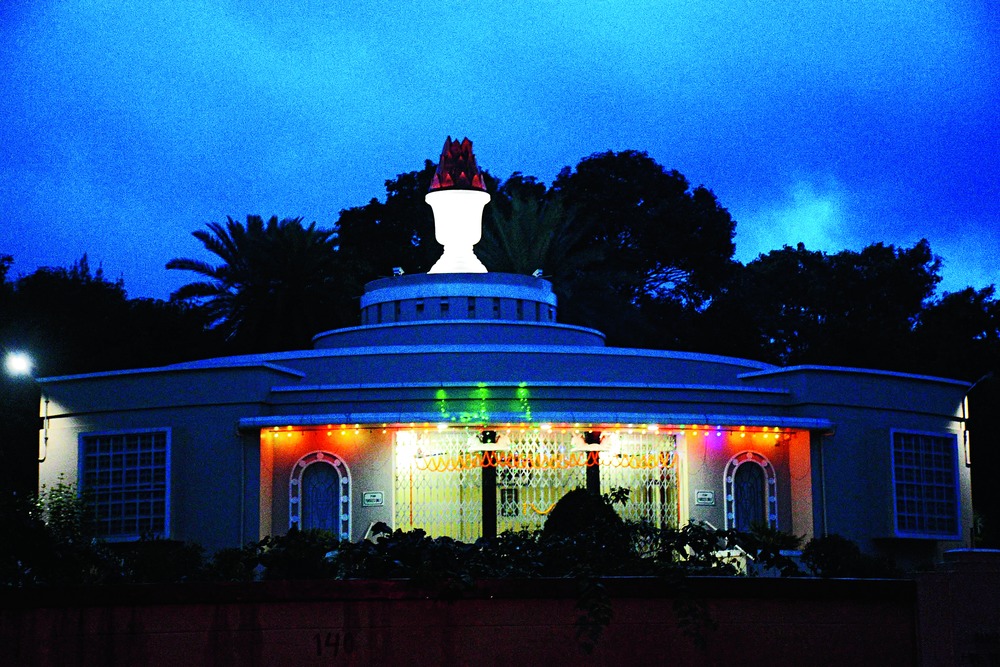
Like the Gazder family, the 180-odd Parsi community in Jamshedpur started the day by praying at the agiary or fire temple on Straight Mile Road, which was decked up for the occasion, then met up with friends and loved ones to wish each other Navroz Mubarak.
Then came the feasting, one of the enduring passions of the community.
Delicacies such as dhansak, sevaiyan and sooji ka halwa were must-haves on the festive platter. Spicy dhansak, a popular Parsi delicacy, is prepared by cooking mutton with a mixture of lentils and vegetables and is then served with caramelised brown rice.
At the Parsi Hostel in Sakchi, meritorious students and achievers were also felicitated. A cultural programme was also organised where schsool students performed.
Eminent Parsi educator Nargis Madon, the director of JH Tarapore School, explained the significance of this Navroz.
"When the community migrated to India, their first settlement was in Sanjan, Gujarat. The king of Sanjan, Jadav Rana (also known as Jadi Rana) showed the Parsis a bowl of milk symbolising that his kingdom was full. A Parsi priest asked for sugar and stirred it in the milk without spilling a drop So, Parsis, as you see, blended with the local people very peacefully and sweetly," Madon smiled.