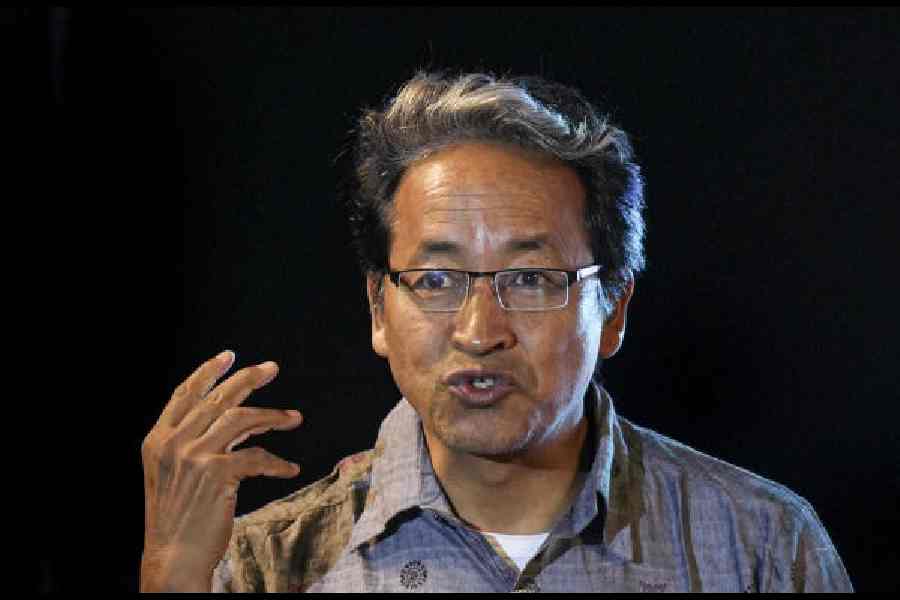
Climate activist Sonam Wangchuk was released from Jodhpur jail on Saturday, hours after the Centre revoked his detention under the National Security Act with immediate effect and nearly six months after his arrest during the Ladakh protests seeking statehood and protections under the Sixth Schedule.
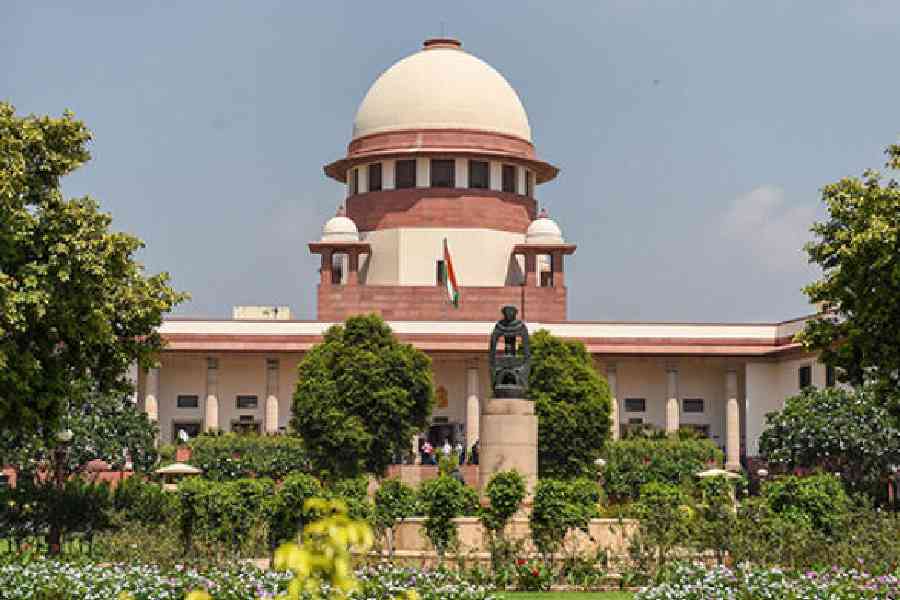
The Centre’s decision came at a time the Supreme Court is hearing a habeas corpus petition filed by Wangchuk’s wife, Gitanjali J. Angmo, challenging his imprisonment since September 2025.
A security official in the Union home ministry told The Telegraph that the grounds for his detention appeared to be flimsy and would not have withstood legal scrutiny in the apex court. “Recently, the apex court had pulled up the Centre over the translation of Wangchuk’s speech based on which he was detained. Besides, his continued incarceration was also taking a toll on Ladakh’s civil society as several groups were protesting and demanding his immediate release.”
Ladakh is a strategically important region for India as it borders China.
Announcing the revocation of his detention, the home ministry cited the need to facilitate dialogue in the region, which has been demanding greater autonomy and climate protections within the Constitution.
Wangchuk, 58, was detained on September 26, two days after violent protests demanding statehood and Sixth Schedule status for Ladakh left four people dead and nearly 100 injured in the Union Territory.
The Centre accused him of inciting the violence, claiming the climate activist tried to instigate youths to organise protests on the lines of the Gen Z movements in Nepal and Bangladesh. Wangchuk denied allegations that he made statements seeking to overthrow the government, like the Arab Spring that rippled across West Asia, emphasising that he has the democratic right to criticise and protest.
Last month, the Centre told the Supreme Court that Wangchuk can’t be released on bail on health grounds, arguing that the “health facade was manufactured and synthetic”. Justifying his detention, the government said he was in “perfectly good” condition and was getting the best treatment at Jodhpur AIIMS while in custody.
In a statement on Saturday, the home ministry said the Centre had been actively engaging with various stakeholders and community leaders in Ladakh to address the aspirations and concerns of the people of the region. “However, the prevailing atmosphere of bandhs and protests has been detrimental to the peace-loving character of the society and has adversely affected various sections of the community, including students, job aspirants, businesses, tour operators and tourists and the overall economy,” the statement said.
The government, it said, remains committed to fostering an environment of peace, stability and mutual trust in Ladakh to facilitate constructive and meaningful dialogue with all stakeholders. “In furtherance of this objective, and after due consideration, the government has decided to revoke the detention of Sonam Wangchuk with immediate effect by exercising the powers available under the National Security Act.”
The ministry also noted that Wangchuk “has already undergone nearly half of the period of detention under the Act” — the NSA permits detention for up to 12 months — and reaffirmed commitment to resolving Ladakh’s concerns “through constructive engagement and dialogue, including through the mechanism of the high-powered committee as well as other appropriate platforms”.
Earlier, Wangchuk’s wife, Angmo, had filed a petition in the Supreme Court under Article 32 of the Constitution challenging the detention as illegal and unconstitutional. Alleging a witch-hunt, she contended the detention was based on “stale FIRs, vague imputations, and speculative assertions”, and lacked any connection to the stated reasons.