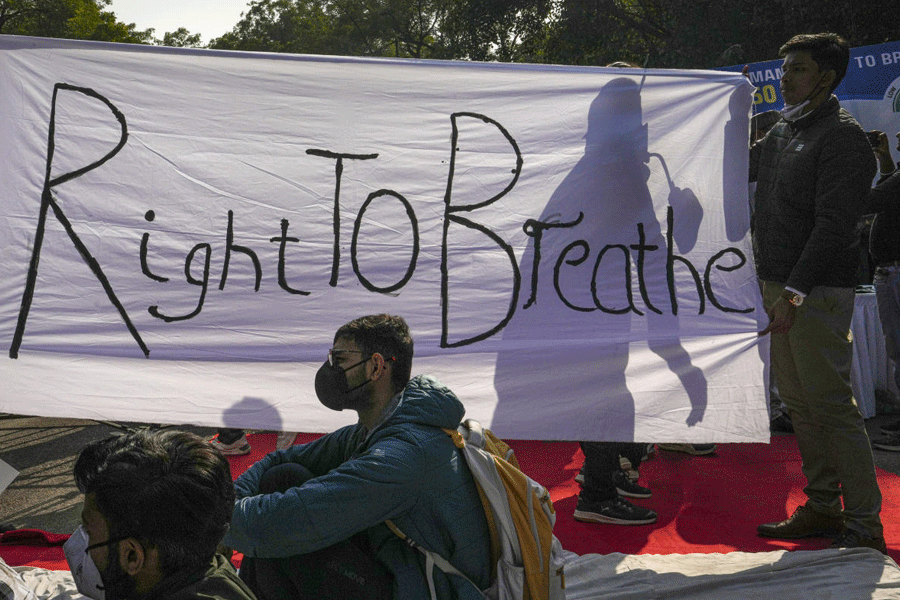
Year after year, Indian cities choke under hazardous air, hospitals report rising respiratory cases, and global and domestic studies flag long-term health damage. Yet the Union government’s position has barely shifted.
Pollution, ministers agree, is bad. What they continue to dispute is the evidence, whether air pollution can be directly blamed for disease, shorter lives or deaths.
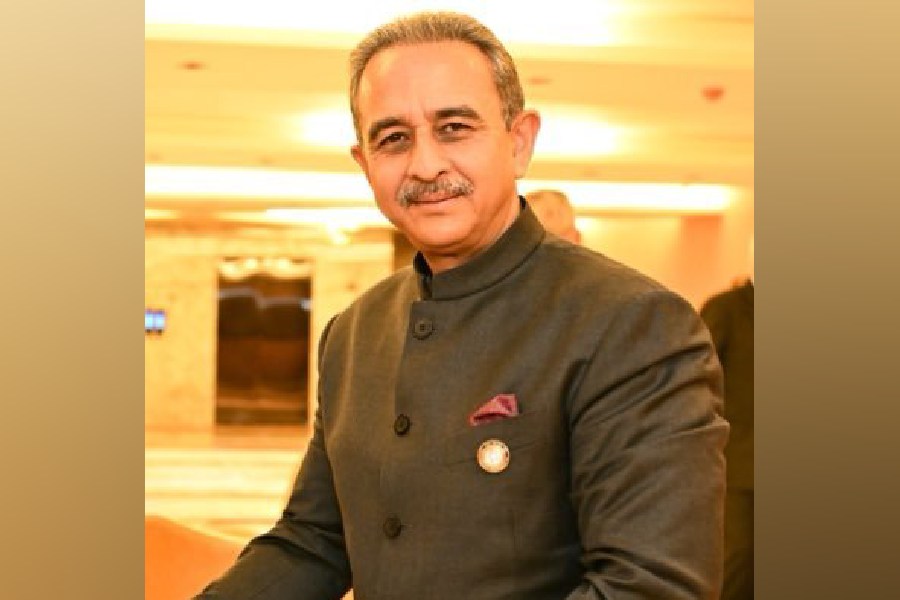
"There is no conclusive data which establishes a direct correlation between higher AQI levels and lung diseases," Kirti Vardhan Singh, Union minister of state for environment, said earlier this week in a written reply to a question in the Rajya Sabha by BJP MP Laxmikant Bajpayee.
This stance has surfaced repeatedly in the government of Prime Minister Narendra Modi, long before the latest statement that has sparked widespread outrage.
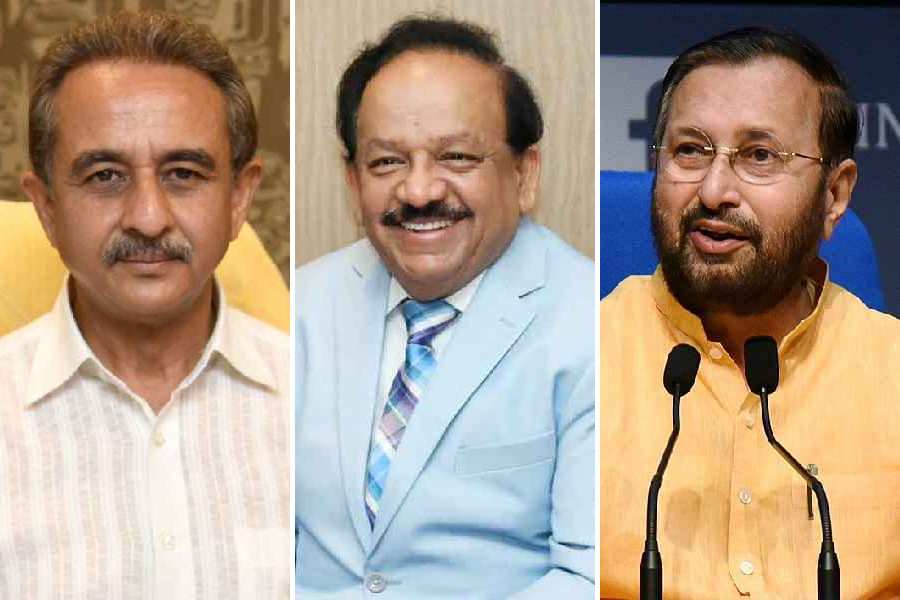
In November 2017, then Union environment minister Harsh Vardhan questioned global estimates that linked air pollution to large-scale mortality in India.
“To attribute any death to a cause like pollution may be too much,” he had said, as reported by multiple outlets.
The comment followed the Lancet Countdown 2017 report, which said air pollution claimed around 2.5 million lives in India in 2015, the highest in the world. Other studies, too, had put out different estimates of deaths linked to polluted air.
“Ultimately these studies have to be India centric. To attribute any death to a cause like pollution, that may be too much,” Harsh Vardhan had said.
He had added: “Certainly if you have a diseased lung and if the pollution is continuously damaging your alveoli (air sacks) then one day when you die, you can attribute the cause of death, to some proportion, to maybe pollution. But I don't think we can generalise and say that millions of people are dying only due to pollution.”
He had also brushed aside the debate over numbers: “Different people will give different types of statistics. But no one can have a difference of opinion that pollution is detrimental to our health. We should be focused on that point.”
The same refrain returned two years later, this time on the floor of Parliament.
In December 2019, then Union environment minister Prakash Javadekar told the Lok Sabha that there was no Indian study linking air pollution to a reduction in life expectancy.
The assertion flew in the face of a study anchored by the Indian Council of Medical Research (ICMR), released in December 2018, which said air pollution was shaving years off Indians’ lives.
“We estimated that if the air pollution level in India were less than the minimum causing health loss, the average life expectancy in 2017 would have been higher by 1.7 years, with this increase exceeding 2 years in the north Indian states of Rajasthan, Uttar Pradesh, and Haryana,” the study said.
Javadekar dismissed the findings by questioning the data, arguing that there was no “first generation data” and that no primary data had been collected for the study.
Different ministers, different years, same party, same conclusion.
The bottomline? The air may be toxic, but for the Modi government’s ministers, the data are never quite toxic enough.