Paris, Dec. 10: India and the US are among countries trying to seek convergence on issues as the climate change talks here have entered into a decisive and dramatic phase.
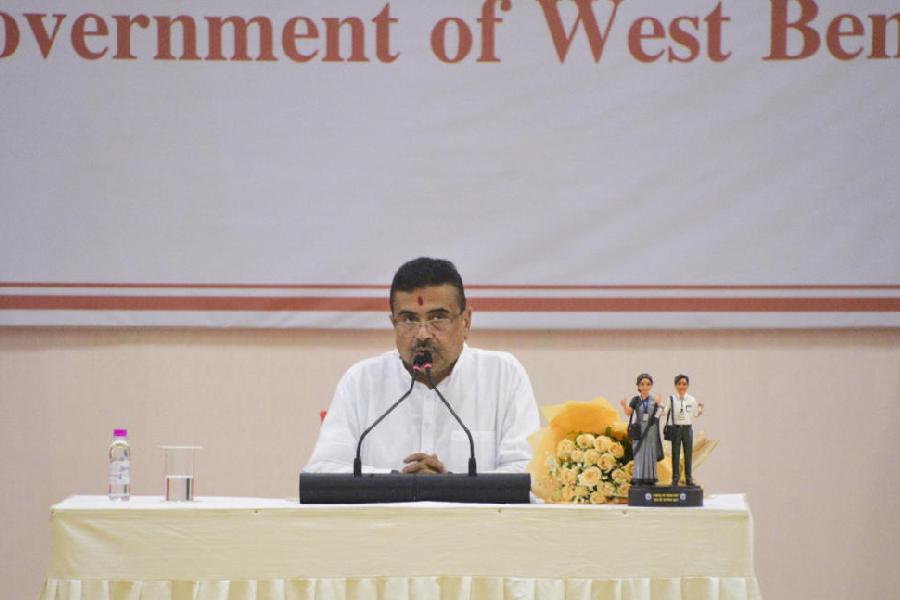
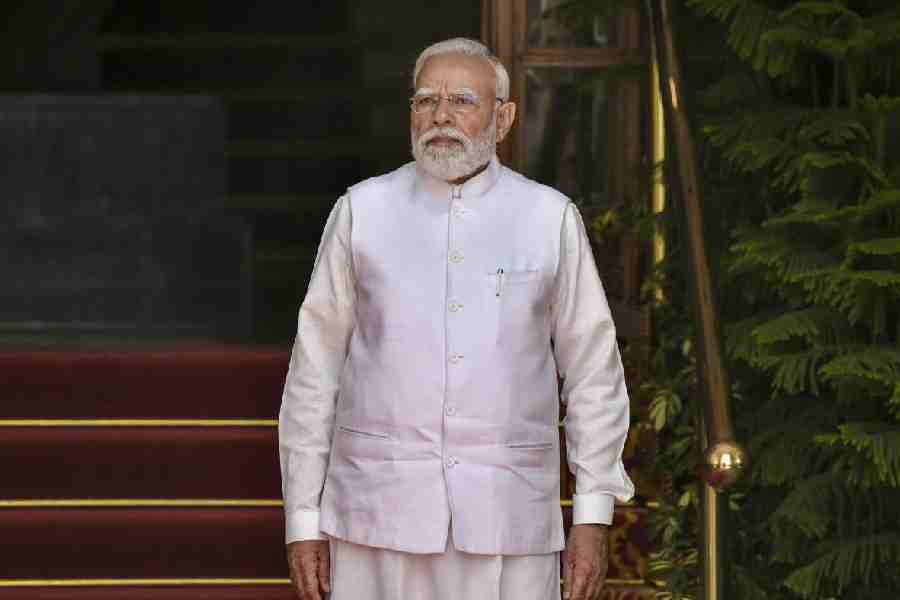
While the Indian environment, forest and climate change minister Prakash Javadekar made a strong statement about the draft agreement on Wednesday night, he chose to talk about the "convergences" on Thursday.
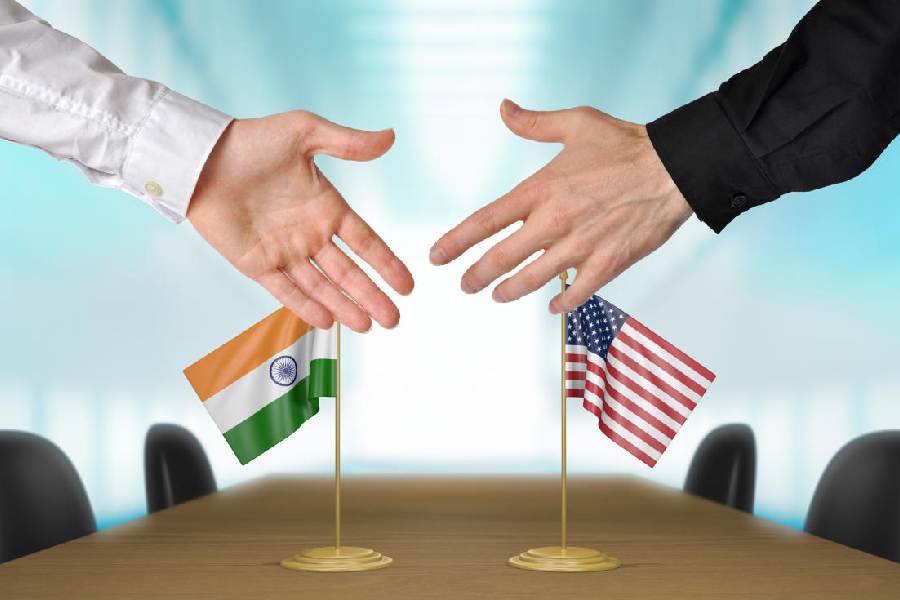
"We are talking to all parties and there have been many convergences. Our full team has just met the full team of the United States and we have shared each others' standpoints. Negotiators will work on the language (text of the agreement). I am hopeful that we will be able to arrive at an agreement," the minister told The Telegraph on Thursday.
Javadekar refuted suggestions that there has been any pressure on India to agree to a deal. "The call between the US President and our Prime Minister had covered a wide range of climate issues, not only the sticking issues ... (and) there is no tradeoffs and we are under no pressure," he said .
US secretary of state John Kerry, who met Javadekar, reciprocated.
"We're working away today, getting down to the critical stage, and we had a very constructive meeting and we feel very good about the conversation we just had. We need to work on language and that's what most of today and tonight will be," Kerry told the media.
The Indian minister, however, conceded that the draft - which came up on Wednesday - was not "as per expectation".
"At this point, there are many points of departure... agreement must meaningfully operationalise differentiation (between the historically polluters like the developed countries and others who suffered) across all its elements. This is not clear in the current draft. On finance, it is deeply disappointing that on the one hand, the developed countries are not fulfilling their obligations and, on the other hand, they are trying to shift their responsibilities to developing countries themselves," said minister Javadekar in the plenary.
The minister continued to push for financial support even on Thursday reiterating that "hollow slogans and promises will not work". Javadekar however expressed hope that the new draft, which is supposed to come later in the evening, would be "better".
India has however been pushed into a corner with a rising crescendo for capping the average global temperature rise at 1.5°C. The demand raised by 79 African, Caribbean and Pacific countries with the support of European Union ismeant to put pressure on emerging economies including India for more ambitious emission cuts, a climate policy expert said.
Though island countries have always demanded a 1.5°C cap, most nations seemed to have converged to a 2°C path especially after the UN spoke about 2.7°C possible increase based on the intended emission cut programmes of various countries as submitted to the UN.
"The sudden demand for a 1.5°C degree cap looks like a carefully -crafted bargaining chip with countries like India" said an expert involved in the negotiations who did not want to be named.
"A 1.5°C goal would require developed countries to massively reduce their emissions and massively 'scale up' their financial support to developing countries. This is not happening" India's statement in the plenary has said , trying to put the ball in the court of developed countries.
"Such a demand is fine, but the developed countries should say how that can be achieved. Two-third of global carbon space has already been occupied dominantly and illegitimately by developed countries and hardly 1000 gigatonne space is available to aim for apossible 2°C scenario. If you want the cap to be 1.5°C degree then the space will become even smaller and nothing will be left for 80 per cent of global population unless developed countries stop encroaching any further immediately," said Sunita Narain of the Centre for Science and Environment.
When The Telegraph posed the question to European Union delegation head Elina Bardram in a meeting organized by Earth Journalism Network; she spoke about long term goal and chose not to elaborate.