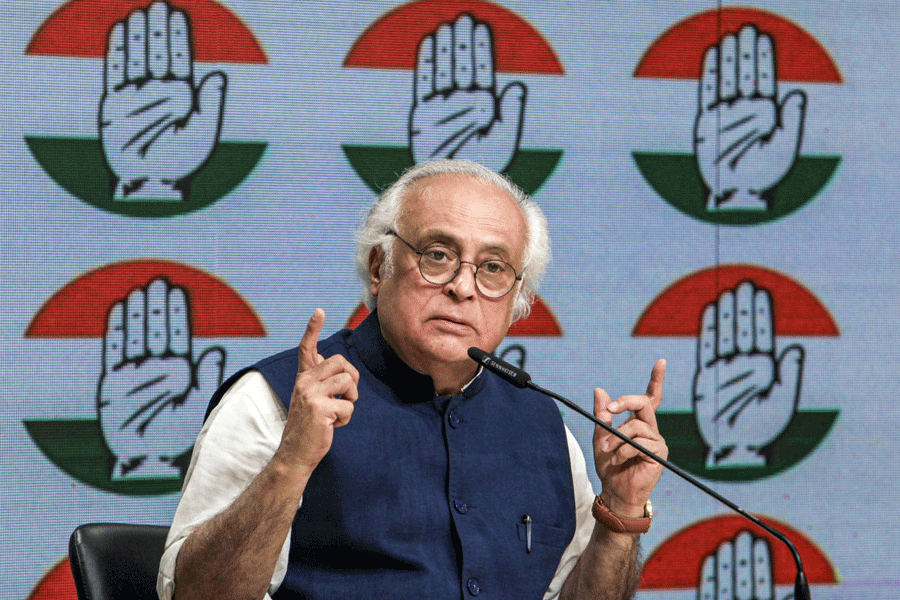
Congress communications head Jairam Ramesh has, in a fresh letter to Union environment minister Bhupendra Yadav, criticised the use of baseline studies instead of a comprehensive environmental impact assessment (EIA) from the Great Nicobar Project.
He also demanded that the report of the National Green Tribunal-mandated high-power committee (HPC) be made public.
Ramesh’s letter comes days after Lok Sabha Opposition leader Rahul Gandhi’s visit to the Great Nicobar Island to oppose the Centre’s large-scale infrastructure initiative in the ecologically sensitive region that is home to indigenous people, including the primitive Shompen tribe.
The BJP had slammed Rahul for allegedly aligning with China’s interests in the region close to South East Asia.
Ramesh said: “The importance of a Comprehensive EIA for port projects was reiterated by one of your distinguished predecessors Shri Prakash Javadekar on May 5, 2015, in the Lok Sabha, while rejecting a request from the government of Gujarat to consider clearance for ports based on Rapid EIA studies.”
Ramesh said the final EIA report submitted in March 2022 clearly stated at page C3-1 that “Environmental baseline studies were conducted during winter season (December 1, 2020 to February 28, 2021)”.
“Thus, this 3 month i.e one season study is at best a Rapid EIA which your predecessor has clearly stated is inadequate to assess the environmental and ecological impacts of a port. But even this claim that it is a Rapid EIA is incorrect....
“It is evident that these studies based on which environmental clearance has been granted are not even rapid EIAs and are based on baseline data collection over a few days and weeks at best and are grossly inadequate. These reports are an insult to science and make a mockery of the EIA process,” he said.
The Congress MP pointed out that the ministry of environment, forest & climate change (MoEF&CC) had filed affidavits before the NGT claiming that the deliberations and report of the HPC constituted pursuant to orders of the NGT were confidential.
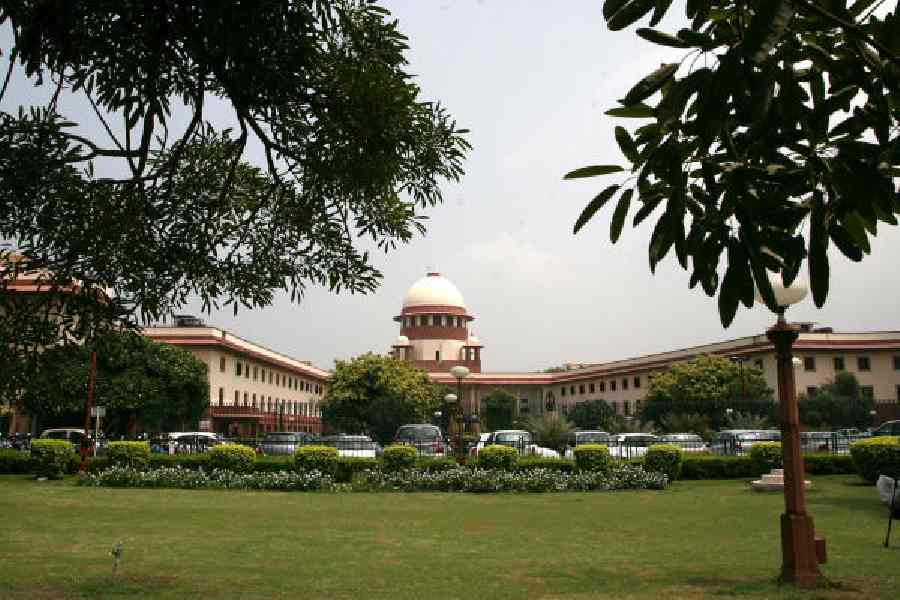
The subsequent judgment dated February 16, 2026, has relied only on the conclusions of the report of the HPC, without the report forming part of the record before the court, he said.
“I am at a complete loss to understand the logic and legality behind the claim of the MoEF&CC that the HPC’s report is confidential. This goes against all basic principles of transparency and accountability to which you claim commitment,” Ramesh wrote.
He asked if it was legal to contend that the product of a court-mandated reconsideration exercise was confidential when the original environmental clearance appraisal process was in the public domain.
“When the EIA reports, detailed project reports, master plan for the township and even the DPR of the airport are in the public domain, what is the basis to contend that the HPC report is confidential? In the interests of good governance and informed public debate, please make the HPC report public,” he wrote.
He reiterated that the Great Nicobar Island’s biodiversity was globally unique, and new discoveries were being made from time to time.