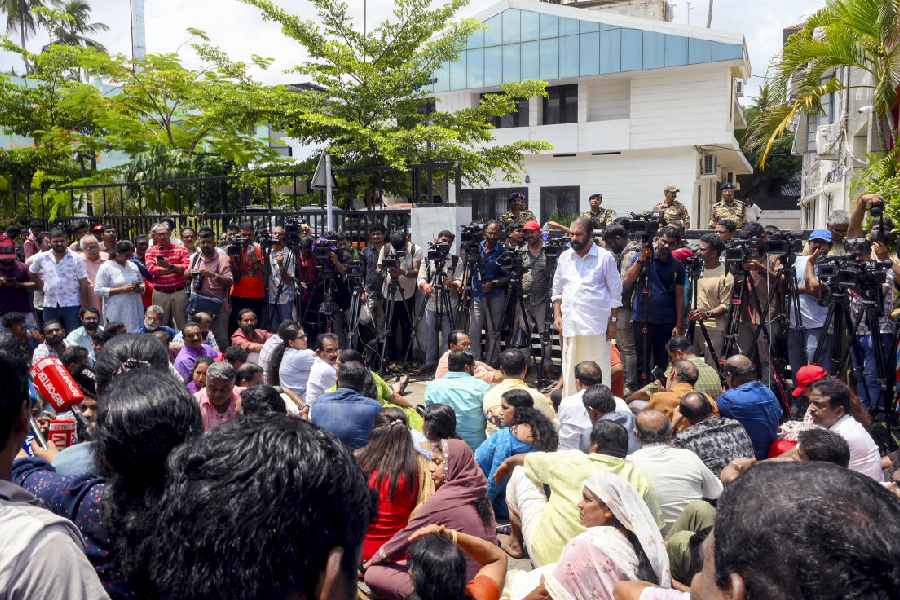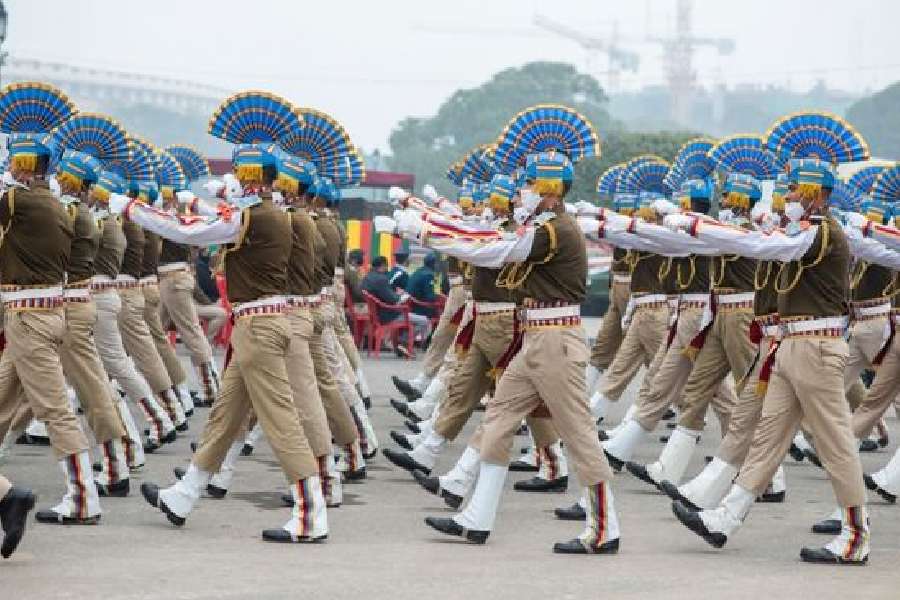
The Confederation of Ex-paramilitary Forces Welfare Association will stage a protest on April 9 at Raj Ghat against the proposed armed police forces bill, which seeks to codify the appointment of IPS officers on deputation to senior positions in the BSF, CRPF, CISF, ITBP and the SSB.
Former paramilitary personnel have demanded withdrawal of the Central Armed Police Forces (General Administration) Bill, 2026, which was tabled in Parliament last week, and warned of intensifying their agitation if the government fails to call them for consultations over what they described as the “black bill”.
“We will stage a massive protest against the black bill on April 9 at Raj Ghat. The legislation directly affects the command structure, service conditions and leadership opportunities within CAPFs,” said Ranbir Singh, national coordinator of the association.
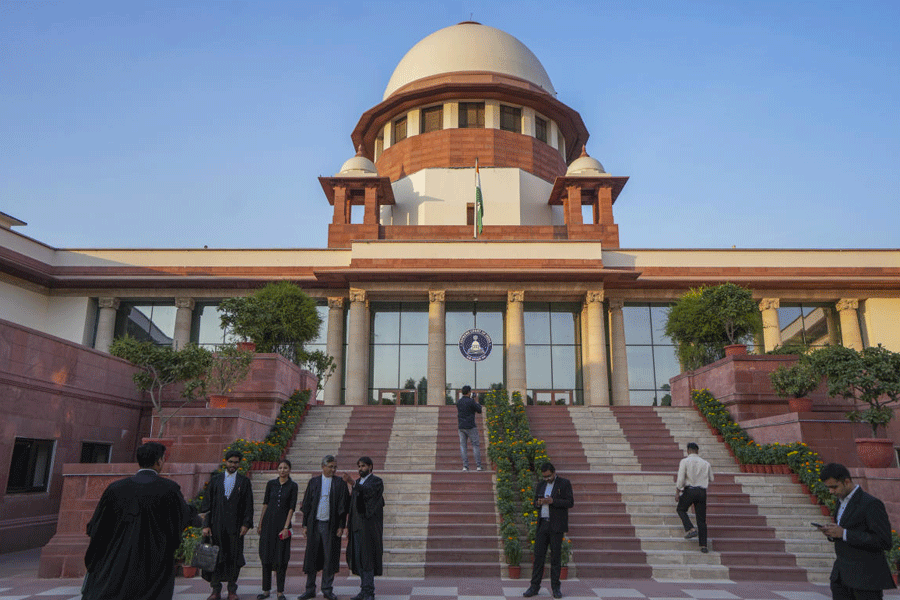
The protesting ex-personnel have argued that despite a Supreme Court order in May last year directing the government to gradually reduce IPS deputations in the CAPFs and to carry out a cadre review within six months, the Centre is now attempting to institutionalise permanent deputation of IPS officers to top CAPF posts.
Singh said the bill carried implications for the operational effectiveness of forces responsible for protecting India’s internal stability and border security.
“The cadre review as mandated by the Supreme Court would have reduced IPS deputation and facilitated greater participation of CAPF officers in decision-making within their organisations, ensuring institutional parity and boosting the morale across the forces,” he said.
A group of serving paramilitary officers has also written to Union home minister Amit Shah requesting him to reconsider the proposed bill, saying it would reduce them to “second-class citizens” within the organisation they have been serving. They have requested Shah to have a relook before the passage of the bill.
The proposed bill seeks to retain the dominance of IPS officers on deputation in the five CAPFs.
It provides that to appoint officers from the Indian Police Service in CAPFs, 50 per cent of the posts will be filled by deputation in the rank of inspector-general and a minimum of 67 per cent of the posts by deputation in the rank of additional director-general. Posts in the ranks of special director-general and director-general shall be filled by deputation only.
On Monday, Opposition parties in the Rajya Sabha slammed the government for attempting to negate the apex court ruling to progressively reduce deputation of IPS officers in the central armed police forces by bringing a legislation.
They demanded that either the bill be referred to a select committee of Parliament or the government incorporate the amendments proposed by the Opposition parties.
BJP member Sudhanshu Trivedi on Monday rejected the Opposition’s criticism of the bill in the Rajya Sabha and asserted the Modi government is determined to protect the interests of CAPFs, which are India’s “main line of internal defence”.
Participating in the discussion on the bill in the Rajya Sabha, he said that under the proposed legislation, the established arrangement of promotions had been organised so that there was no confusion or overlapping and legal issues were prevented.
“Now assistant commandant-level personnel will be able to reach the DIG level, 50 per cent will be able to reach the IG level and one-third of the officers will be able to reach the additional DG level. So I believe that an arrangement has been defined so that it is uniform in all forces and legal issues are avoided,” Trivedi said.