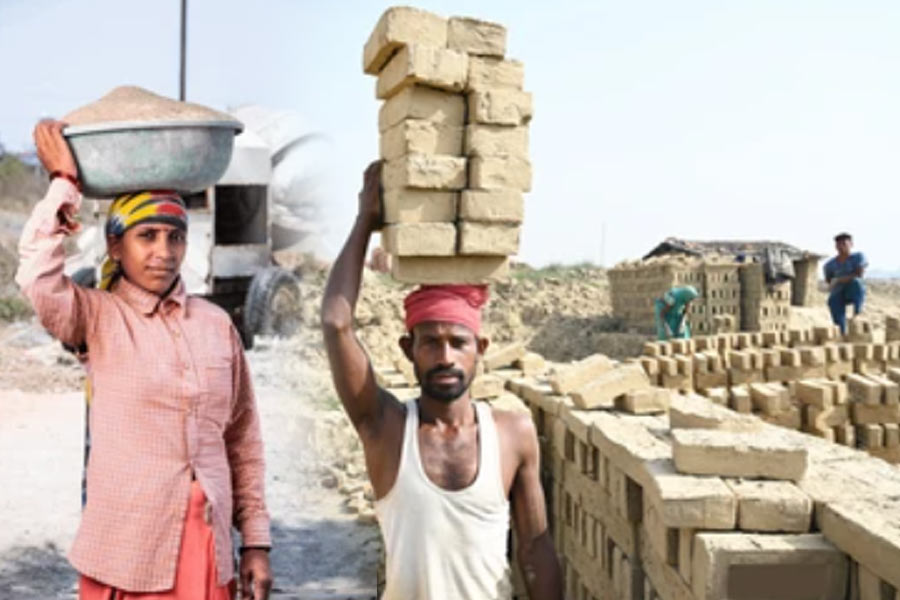
The formula for the calculation of minimum wage prescribed by the draft rules of the Code on Wages gives 25 per cent weightage to expenditure on education, health, recreation and contingencies, which labour economists have dismissed as too low in view of the rising cost of these essential services.
The wage code empowers the Centre to notify a minimum wage for the central sector and a floor wage. The minimum wage fixed by states cannot be less than the floor wage.
The draft rules have largely borrowed the formula suggested by the 15th Indian Labour Conference (ILC) in 1957 to determine the need-based minimum wage. A family, consisting of a worker, his spouse, and two children, constitutes three consumption units, with the husband assigned one unit, the wife 0.8 units, and the two children 0.6 units each.
The rules mentioned the broad criteria to determine the minimum wage, such as a net intake of 2,700 calories per day per consumption unit, 66 metres of cloth per year for each standard working-class family and house rent constituting 10 per cent of food and clothing expenditure. Fuel, electricity and other miscellaneous items should make up 20 per cent of the minimum wage, and the money spent on children’s education, medical needs, recreation and contingencies should constitute 25 per cent of the minimum wage.
Labour economist Prof Amitabh Kundu said the share of expenditure on non-food items was increasing with the rise in income. “It is erroneous to consider 25 per cent of the minimum wage as expenditure on health, education and a few other services as adequate because of withdrawal of the State from their provisioning,” Kundu said.
He, however, said that 2,700 calories for three consumer units adequately addressed the food consumption in families that also have elderly members, as the calorific consumption had come down over the years. The items in food baskets, used to determine the minimum income, are based on the actual consumption basket of labourers.
Economist Sunil Ray, former director of the AN Sinha Institute in Patna, said the criteria based on calorific consumption needed to be reviewed as they were fixed six decades ago.
He wondered how 25 per cent weightage could be given to health and education expenditure before the minimum wage was fixed, as these essential services were getting costlier by the day.
“The expenditure on health, education and recreation should have been independently estimated and added to the calculation to arrive at the minimum wage,” Ray said.
Ray questioned the rationale behind linking house rent expenditure to the spending on food and clothing. “Both these factors are unrelated,” he said.
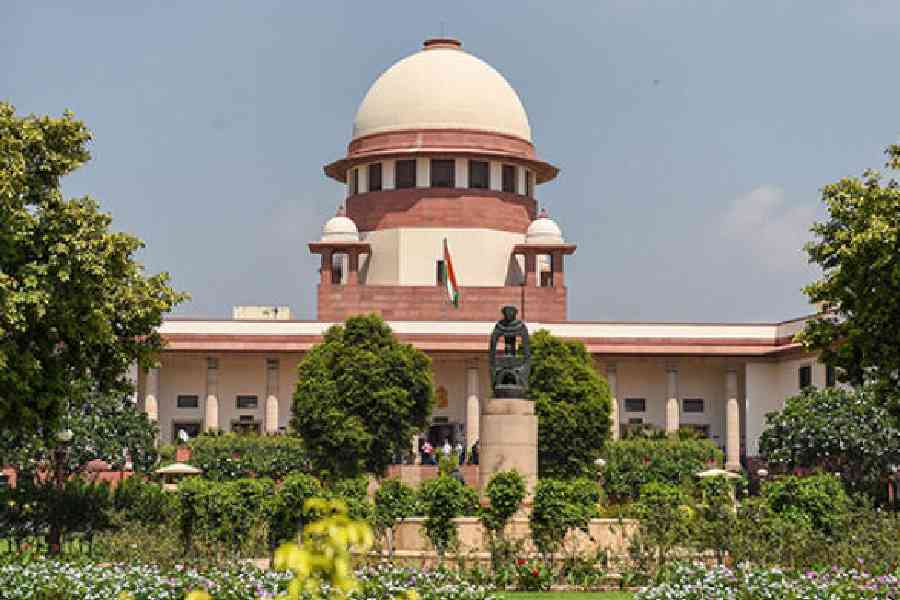
A government source cited the Supreme Court’s ruling in the 1991 Raptakos Brett vs Workmen case that held that 25 per cent of the total minimum wage could cover the cost of children’s education, medical treatment, recreation, festivals and ceremonies.
“The draft rules have followed the Supreme Court’s directive on health and education expenses. This is the minimum wage being fixed. Hence, the calculation will look at the minimum expenditure borne by workers,” the source said.
The draft rules have not prescribed the weightage for fixing the floor wage. The Centre, in consultation with a Central Advisory Board, will determine the floor wage “taking into account the minimum living standard, including the food, clothing, housing and any other factors considered appropriate by the central government from time to time”.
Ray said there was no rationality for a separate floor wage if the minimum wage was intended to be the bare minimum.
K.R. Shyam Sundar, an adjunct professor at MDI Gurgaon, said the wage code provided for a revision of the minimum wage every five years, but the states had never revised it except adjusting the prices according to inflation.