A fast-track court in Gautam Buddha Nagar on Tuesday rejected the Uttar Pradesh government’s plea to close the case related to the 2015 lynching of Mohammad Akhlaque in Dadri on the suspicion that he had stored beef.
Additional district judge Saurabh Dwivedi found the government’s appeal baseless and irrelevant and directed the prosecution to continue recording the statements of the eyewitnesses in the case.
The court asked the police and the local administration to provide security to witnesses who needed it and posted the matter for further hearing on January 6.
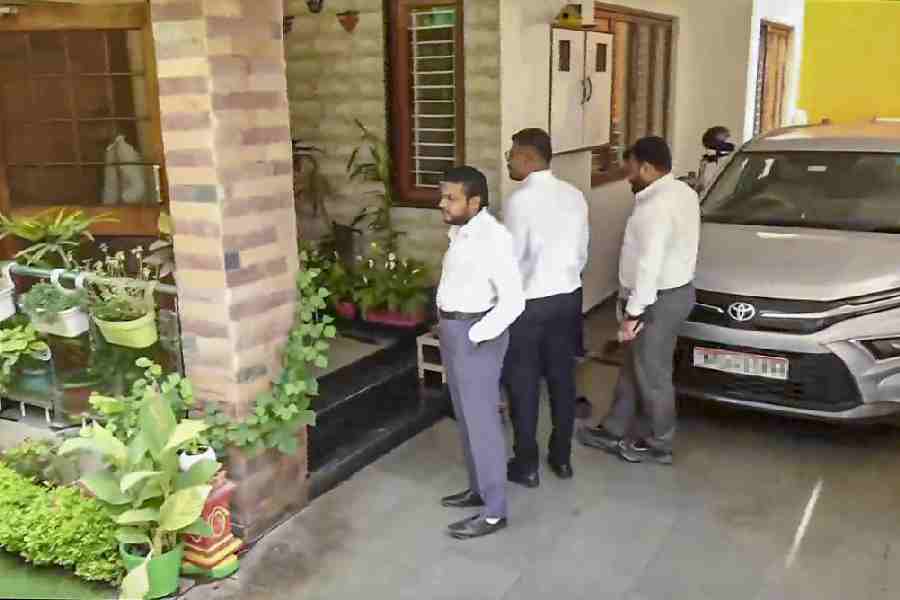
Fifty-two-year-old Akhlaque and his son Danish were dragged out of their home by a mob at Bisada village in Dadri on September 28, 2015, on the suspicion of storing beef in their refrigerator and beaten with lathis, iron rods and bricks. Akhlaque was declared dead on arrival at a hospital, while his son had to undergo prolonged treatment. The inquiry had revealed that there was no cow or buffalo meat in
Akhlaque’s home.
Yusuf Saifi, the counsel for Akhlaque’s widow Iqraman, said: “The court didn’t find any substance in the government’s appeal and decided to continue with the hearing of the case. We had moved Allahabad High Court against the state government’s appeal, but we’ll withdraw that case now.”
The withdrawal request had been moved in the Gautam Buddha Nagar court on October 15 by Bhag Singh, the local assistant district government counsel, on the directions of the Yogi Adityanath government.
The Uttar Pradesh government had flagged alleged inconsistencies in the statements of Iqraman, her son Danish and daughter Shaista. The government had claimed that weak witnesses had led the case to a dead end and there was no reason to continue with it. It said that Iqraman had accused 10 people of murder, Shaista six and Danish added three more names at a
later stage.
The prosecution had argued that the accused and the victim lived in the same village and they had no past enmity. The police had said only five lathis were found at the spot, implying that there were five attackers. However, they were never identified.
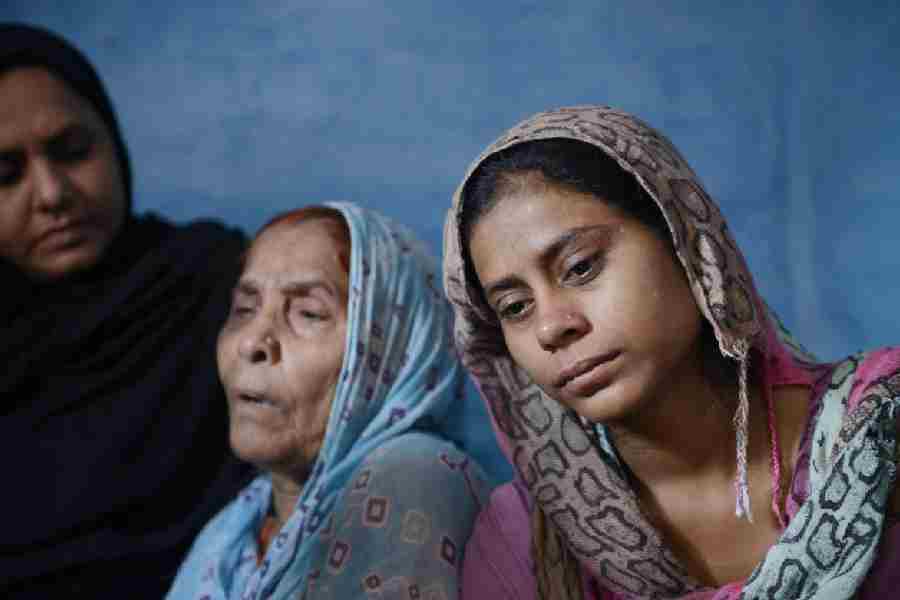
Following the state government’s application, Iqraman had told local reporters that she was always doubtful about the fate of the case.
“We live under constant threat and can’t go out without security. We couldn’t record our statement on many occasions because we didn’t have police security, which was supposed to be given to us. We were unable to depose in court on several occasions. Some people deliberately twisted our statements,”
she had said.
After Akhlaque’s death, his family left the village on October 6, 2015. Currently, they stay in Delhi.