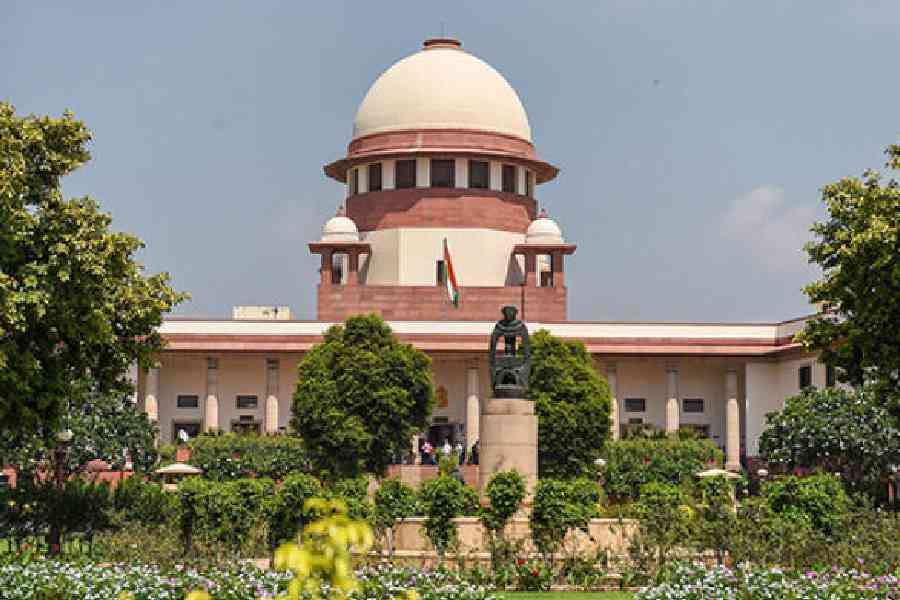
New Delhi: Delhi High Court has sought responses from the University Grants Commission (UGC) and Delhi University on a plea seeking contempt action for allegedly not complying with a directive to appoint an ombudsman in all varsities to address students' grievances. Justice V. Kameswar Rao issued notices to the UGC and DU, seeking replies on the plea and listed the hearing on May 14.
The high court had last year directed the UGC to set up a system to redress the grievances of students in all varsities, including DU, within four months.
It had directed DU to "take necessary steps forthwith and appoint the ombudsman" expeditiously in terms of provisions of the UGC Regulations of 2012.
The contempt petition, filed by advocate Brajesh Singh, alleged deliberate and wilful non-compliance of the court's February 2017 order.
The court had said the failure of universities to appoint an ombudsman or constitute grievance redress committees for colleges would defeat the object of the mechanism provided under the regulations.
In last year's order, the high court had observed that all colleges and universities in the country need to have a mechanism to redress the grievances of students. It had said that appointment of an ombudsman in every university and a redress committee for every college or group of colleges was "mandatory" and provided for under the regulations.
The court had passed the ruling while disposing of a PIL filed by a former law student, alleging non-compliance of the UGC regulations.
According to the regulations, the ombudsman "shall be a part-time officer appointed for a period of three years or until he attains the age of 70 years, whichever is earlier". PTI