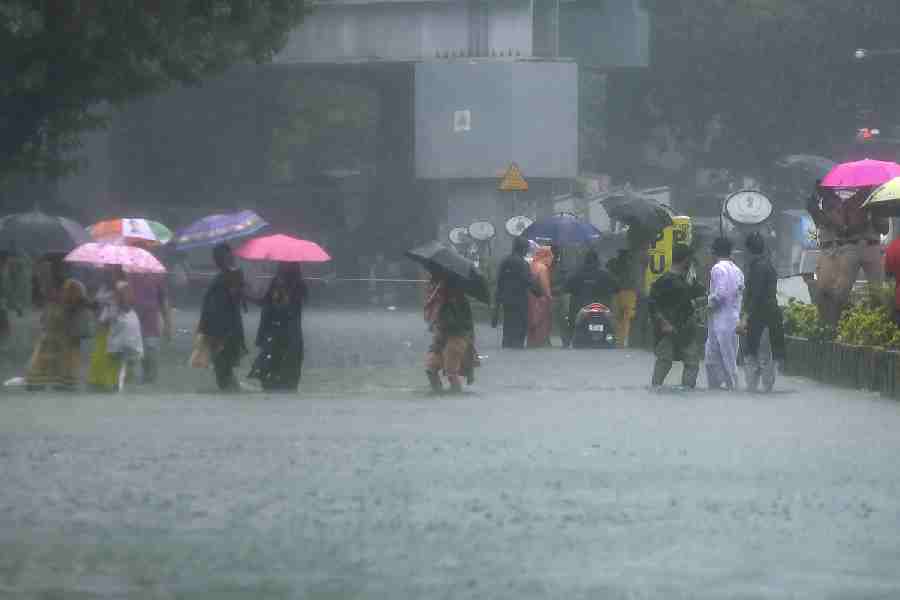
The Congress has stepped up its attack on the Centre and BJP-ruled states over the redefinition of the Aravalli hills, warning that the changes could open the door to large-scale real estate activity in a region it says is already under severe ecological stress.
The party argues that the issue goes beyond mining and strikes at the future of one of the country’s oldest mountain systems, even as the Supreme Court examines the matter.
Congress general secretary and former environment minister Jairam Ramesh said the revised definition risks further damage to the fragile ecosystem and goes against expert advice.
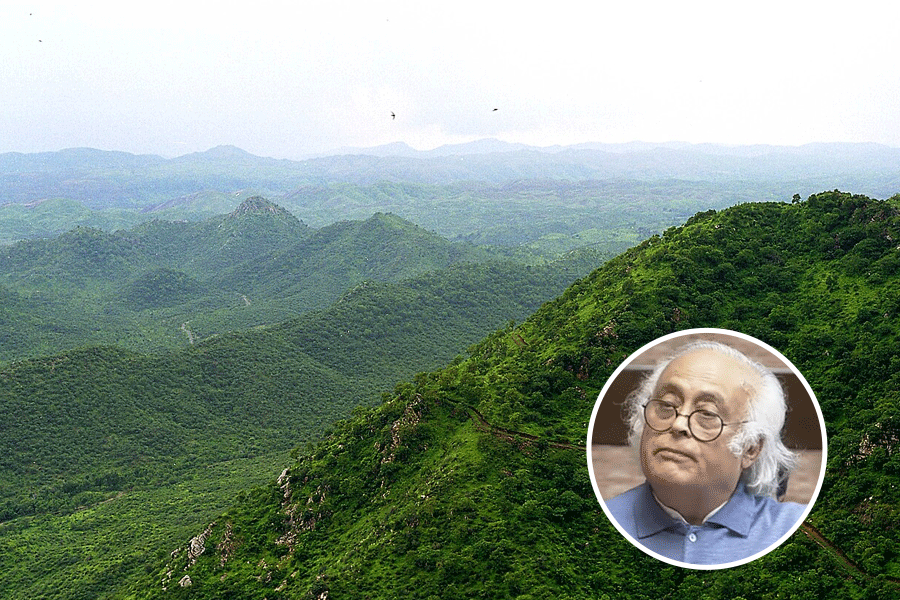
“As the nation awaits the Supreme Court's latest directives on the Aravallis, here is more evidence of how the new definition of the Aravallis will cause further havoc in an already devastated ecosystem. It is not just mining but real estate development that is being opened up by the double-engine sarkar in New Delhi-Jaipur against the recommendations of the Forest Survey of India,” Ramesh said in a post on X.
Ramesh later told reporters, "I think the minister (environment minister Bhupender Yadav), if he has any grace, should resign. He was advocating for the redefinition of the Aravalli Hills and criticising us. The Prime Minister should ask him to resign."
The party has consistently opposed the redefinition, claiming it would leave more than 90 per cent of the Aravalli landscape outside legal protection and expose it to mining, construction and other commercial activity.
Amid the political row, the Centre issued directions to states to impose a complete ban on granting new mining leases within the mountain range.
The Congress, however, maintains that the revised criteria still weaken safeguards and could lead to long-term damage.
The controversy has reached the Supreme Court, which has taken suo motu cognisance of the issue and is slated to hear the matter on Monday.
On November 20, the apex court accepted a uniform definition of the Aravalli hills and ranges and banned fresh mining leases across Delhi, Haryana, Rajasthan and Gujarat until expert reports are submitted.
The court endorsed the recommendations of a committee under the Ministry of Environment, Forest and Climate Change, which defined an “Aravalli Hill” as any landform in designated Aravalli districts with an elevation of 100 metres or more above local relief, and an “Aravalli Range” as a collection of two or more such hills within 500 metres of each other.