A common blood test to diagnose diabetes may mislead doctors and patients across India when viewed alone, a new medical review has suggested, with implications for both individual diagnosis and national estimates of diabetes.
A panel of doctors has warned that the HbA1c test, which reflects the average blood sugar over two or three months, can give inaccurate results in people with anaemia, haemoglobin disorders, or other conditions affecting red blood cells.
To avoid misdiagnosis, the panel has recommended measuring fasting and post-meal blood glucose in addition to HbA1c, particularly in populations with widespread red blood cell disorders.
Large population surveys based only on HbA1c may misrepresent India’s true burden of diabetes, the four-member panel also said in a research review to be published on Monday in The Lancet Regional Health: Southeast Asia, a medical journal.
The review raises broader questions about how diabetes is diagnosed and estimated in countries such as India where, the panel members say, widespread anaemia and red blood cell disorders could skew both individual treatment decisions and national estimates of disease burden.
“Under such circumstances, some people may be diagnosed too late, others may be mislabelled as diabetic when they are actually not,” Anoop Misra, chairman of the Fortis Centre for Diabetes, Obesity and Cholesterol in New Delhi and panel member, told The Telegraph.
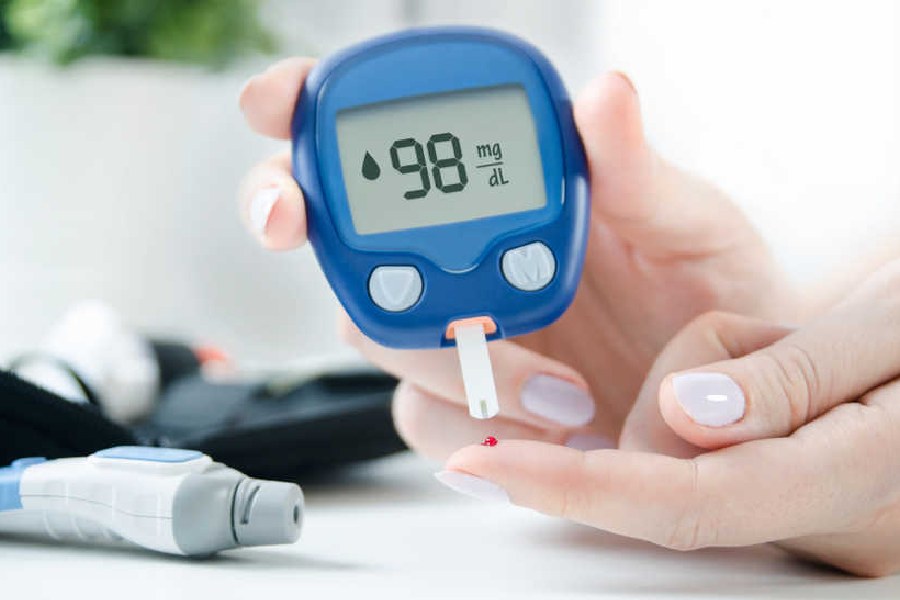
HbA1c is glycated haemoglobin, not a direct blood sugar test, but it reflects how much sugar is bound to haemoglobin in the red blood cells.
Over the past decade, major public health bodies, including the World Health Organisation and the American Diabetes Association, have advocated HbA1c as a diagnostic test for type 2 diabetes, because it is expected to reflect the average blood sugar over two or three months.
Many doctors and patients tend to favour the HbA1c test because it is easier to undergo and requires neither fasting nor a second post-meal blood sugar test, said Shashank Joshi, an endocrinologist in Mumbai and another panel member.
“Our note in the medical journal is intended to remind both clinicians and patients to recognise that HbA1c has limitations — it should not be used all by itself,” Joshi said. “This is important for India where large proportions of the population have iron deficiency.”
In patients with a red blood cell disorder called G6PD deficiency, reliance on HbA1c alone could delay the diagnosis of diabetes by up to four years. Undiagnosed and untreated diabetes could raise the risk of complications such as eye, kidney or blood vessel diseases.
The panel recommended a two-step diagnostic approach — a fasting glucose test followed by a second test two hours after consuming 75 grams of glucose — and said patients could also self-monitor blood glucose two or three times a week.
The standard oral glucose tolerance test — which measures blood sugar after fasting and again two hours after a glucose drink — should remain the gold standard for diagnosing pre-diabetes and diabetes, the panel said. HbA1c may be used to support a diagnosis, but should not be relied on alone, particularly in populations with red blood cell disorders.
Joshi said a nationwide diabetes estimation exercise funded by the Indian Council of Medical Research had illustrated how reliance on HbA1c alone can alter estimates. When the study used blood glucose levels, diabetes prevalence was about 110 million, but when HbA1c was applied, the estimate rose to about 200 million.
A combination of the oral glucose tolerance test, self-monitoring of glucose, and basic blood tests would provide a more accurate picture, said Shambho Samajdar, a panel member in Calcutta.