Tuesday, 19 May 2026
Tuesday, 19 May 2026
Tuesday, 19 May 2026
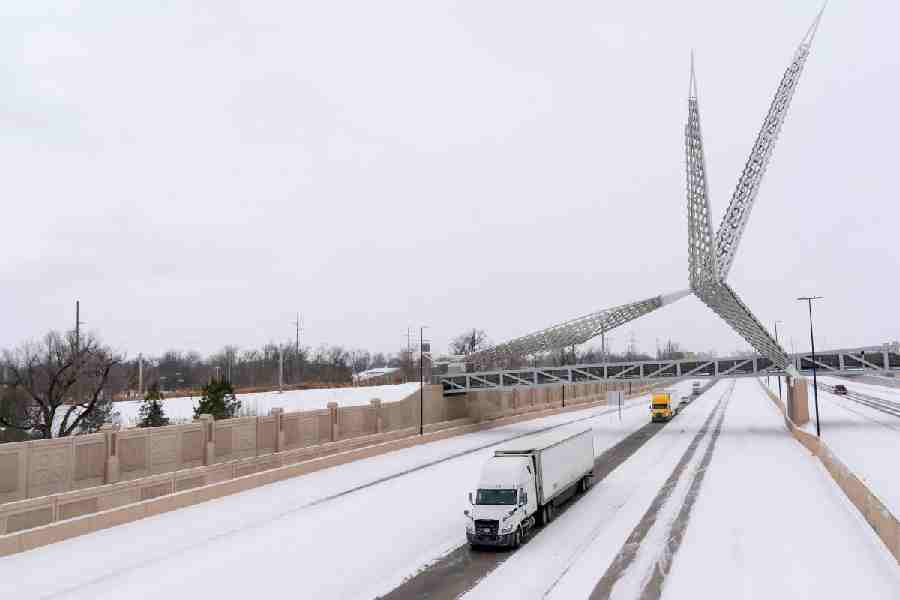
More than 4,000 flights were canceled in the US on Saturday ahead of a monster winter storm that has already cut power to more than 160,000 electricity customers as far west as Texas, and threatened to paralyze eastern states with heavy snowfall.
Forecasters said snow, sleet and freezing rain, accompanied by dangerously frigid temperatures, would sweep the eastern two-thirds of the nation on Sunday and into next week.
Calling the storms "historic," President Donald Trump on Saturday approved federal emergency disaster declarations in South Carolina, Virginia, Tennessee, Georgia, North Carolina, Maryland, Arkansas, Kentucky, Louisiana, Mississippi, Indiana, and West Virginia.
"We will continue to monitor, and stay in touch with all States in the path of this storm. Stay Safe, and Stay Warm," Trump wrote in a post on Truth Social.
Seventeen states and the District of Columbia have declared weather emergencies, the Department of Homeland Security said.
"We do have tens of thousands of people in affected states in the South that have lost power. We have utility crews that are working to restore that as quick as possible," DHS Secretary Kristi Noem said late Saturday afternoon.
The number of power outages continued to rise. As of 10:17 p.m. EST, more than 160,000 US customers had no electricity, the bulk of them in Louisiana and Texas, according to PowerOutage.com.
The US Department of Energy on Saturday said it issued an emergency order authorizing the Electric Reliability Council of Texas to deploy backup generation resources at data centers and other major facilities, aiming to limit blackouts in the state.
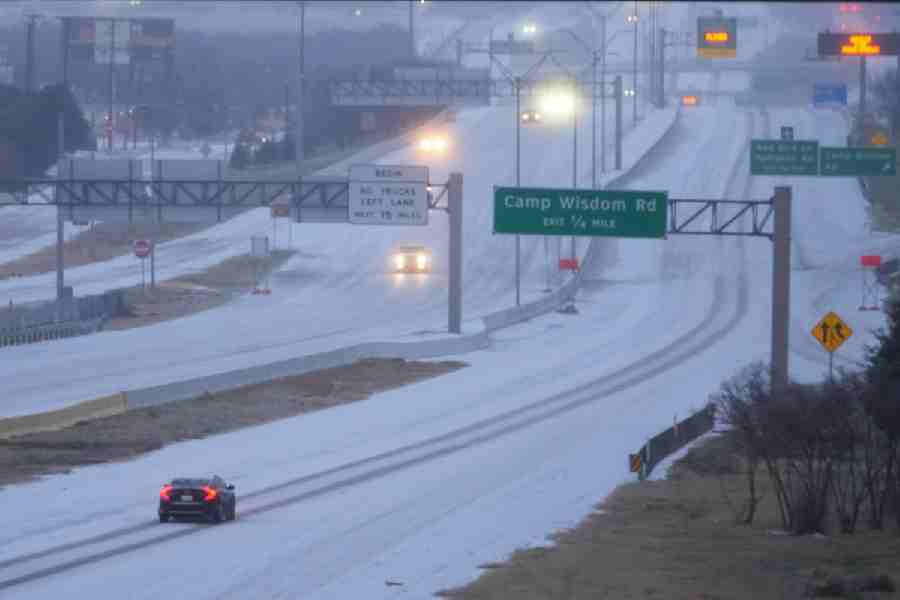
The US National Weather Service warned of an unusually expansive and long-duration winter storm that will bring widespread, heavy ice accumulation in the southeast US, where "crippling to locally catastrophic impacts" can be expected.
Weather service forecasters predicted record cold temperatures and dangerously cold wind chills descending further into the Great Plains region of the US by Monday.
"The snow and the ice will be very, very slow to melt and won't be going away anytime soon, and that's going to hinder any recovery efforts," said Allison Santorelli, a meteorologist with the National Weather Service.
As of 10:21 p.m. EST, more than 4,000 US flights scheduled for Saturday had been canceled, according to flight tracking website FlightAware. More than 9,400 US flights originally set for Sunday also have been canceled.
Major US airlines warned passengers to stay alert for abrupt flight changes and cancellations.
In an update on Saturday morning, Delta Air Lines said it was continuing to make schedule adjustments, with additional cancellations in the morning for Atlanta and along the East Coast, including in Boston and New York City.
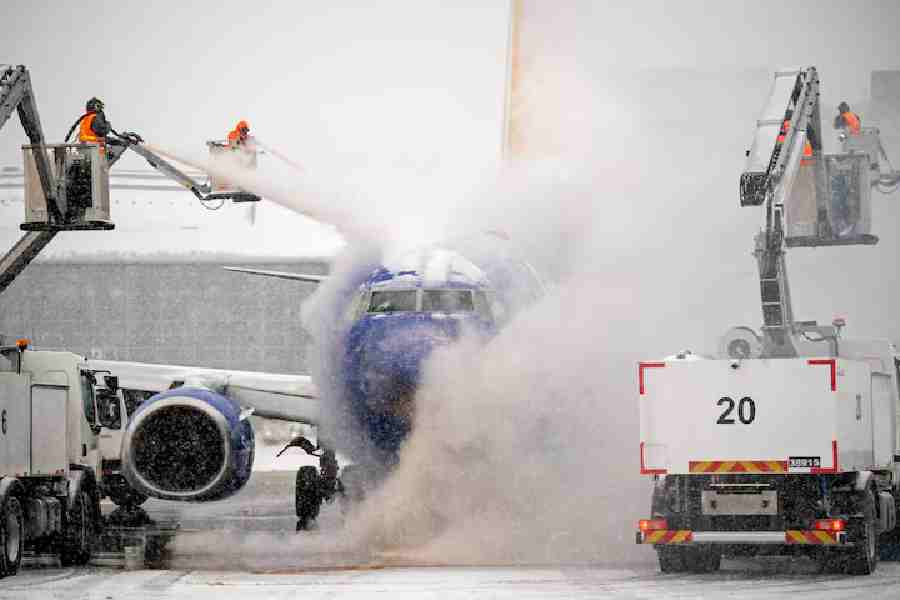
It added it was relocating experts from cold-weather hubs to support de-icing and baggage teams at several southern airports.
JetBlue said that as of Saturday morning it had canceled about 1,000 flights through Monday, with additional cancellations possible.
United Airlines said in an email that its weather preparations included proactively canceling some flights in places with the worst weather.
US electric grid operators on Saturday stepped up precautions to avoid rotating blackouts.
Dominion Energy, whose Virginia operations include the largest collection of data centers in the world, said if its ice forecast holds, it could be among the largest-ever winter events to affect the utility's operations.
Noem, speaking at a news conference about US government preparations for the storm, warned Americans to take precautions.
"It’s going to be very, very cold," Noem said. "So we'd encourage everybody to stock up on fuel, stock up on food, and we will get through this together."
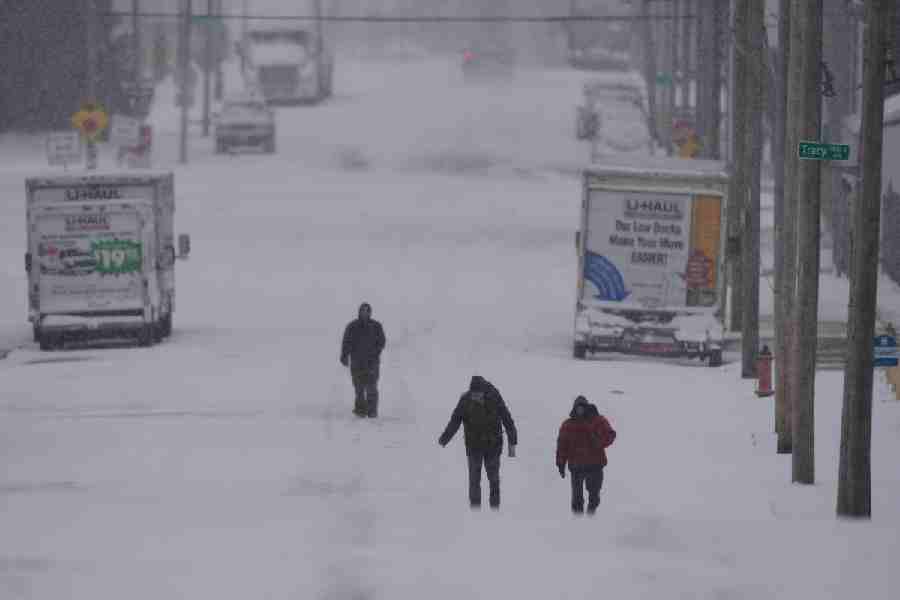
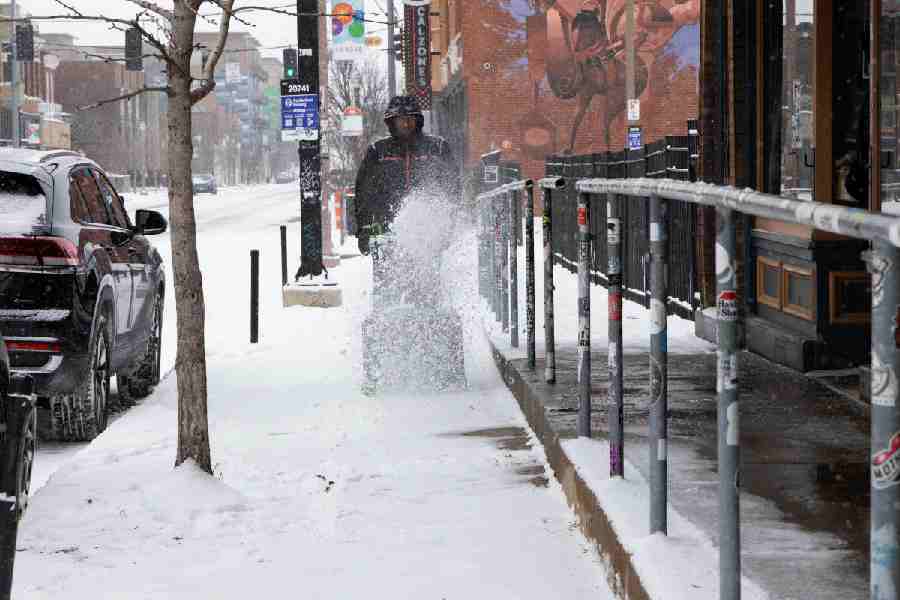
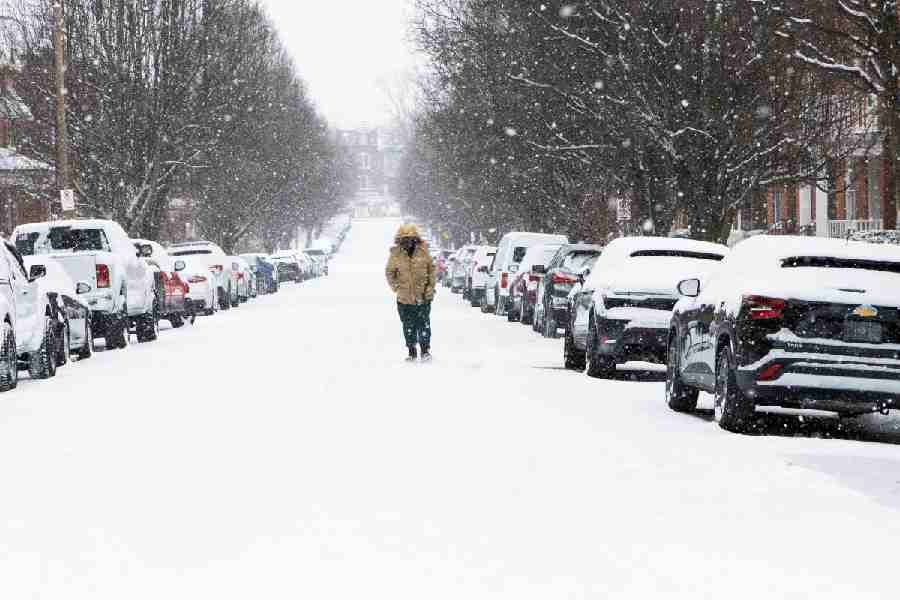
After sweeping through the South, the storm was expected to move into the Northeast, dumping about 1 to 2 feet (30 to 60 centimeters) of snow from Washington through New York and Boston, the weather service predicted.
"Please, if you can avoid it, do not drive, do not travel, do not do anything that can potentially place you or your loved ones in danger," New York City Mayor Zohran Mamdani said Saturday. "Instead, I urge every New Yorker who can to put a warm sweater on, turn on the TV, watch 'Mission Impossible' for the 10th time, above all to stay inside."
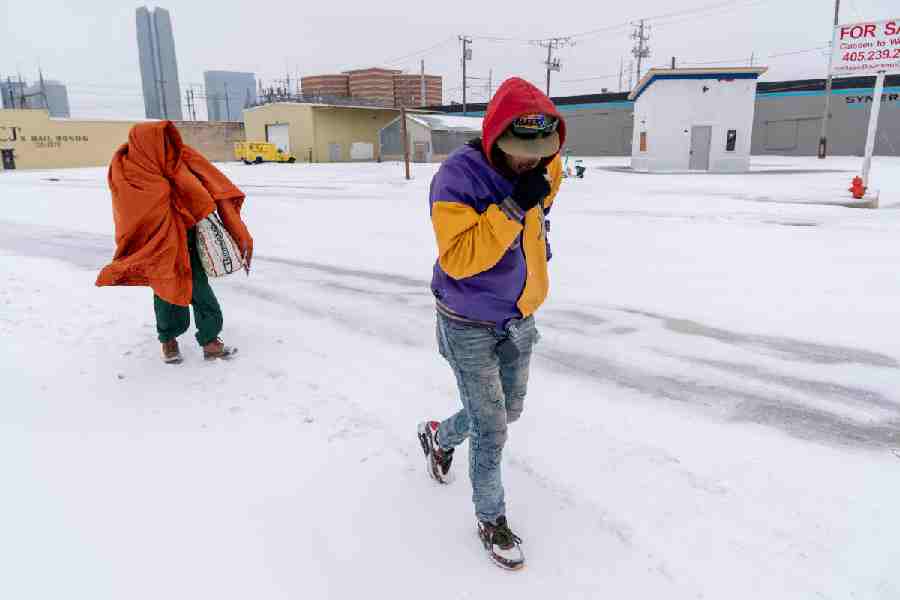
The Midwest saw windchills as low as minus 40 F (minus 40 C), meaning that frostbite could set in within 10 minutes. The minus 36 F (minus 38 C) reading in Rhinelander, Wisconsin, on Saturday morning was the coldest in almost 30 years.
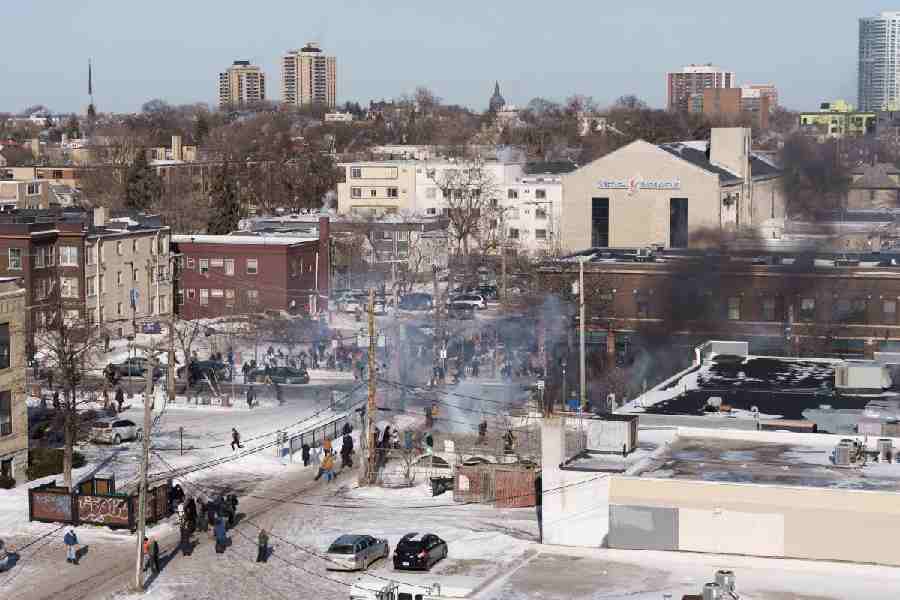
In Minneapolis, the worst of an extreme cold wave was over, but protesters calling for US Immigration and Customs Enforcement to leave Minnesota on Saturday still faced an outdoor temperature of minus 6 degrees Fahrenheit (minus 21 Celsius).
Workers from The Orange Tent Project, a Chicago nonprofit that provides cold weather tents and other supplies to unhoused individuals throughout the city, went out to check on those who did not or could not seek shelter.
Churches moved Sunday services online, and the Grand Ole Opry in Nashville, Tennessee, decided to hold its Saturday night radio performance without fans. Mardi Gras parades in Louisiana were cancelled or rescheduled.
Schools superintendents in Philadelphia and Houston announced that schools would be closed Monday.
Some universities in the South cancelled classes for Monday, including the University of North Carolina at Chapel Hill and the University of Mississippi's main campus in Oxford.
Weather forecasters said the winter storm was unusual.
"I think there are two parts of this storm that make it unique. One is just a broad expanse of spatial coverage of this event ... You've got 2,000 miles of country that's being impacted by the storm with snow, sleet, and freezing rain," said Josh Weiss, a meteorologist at NOAA's Weather Prediction Center. "The other part of this storm that's really impressive is what's going to happen right afterward. We're looking at extreme cold, record cold."