Friday, 19 June 2026
Friday, 19 June 2026
Friday, 19 June 2026
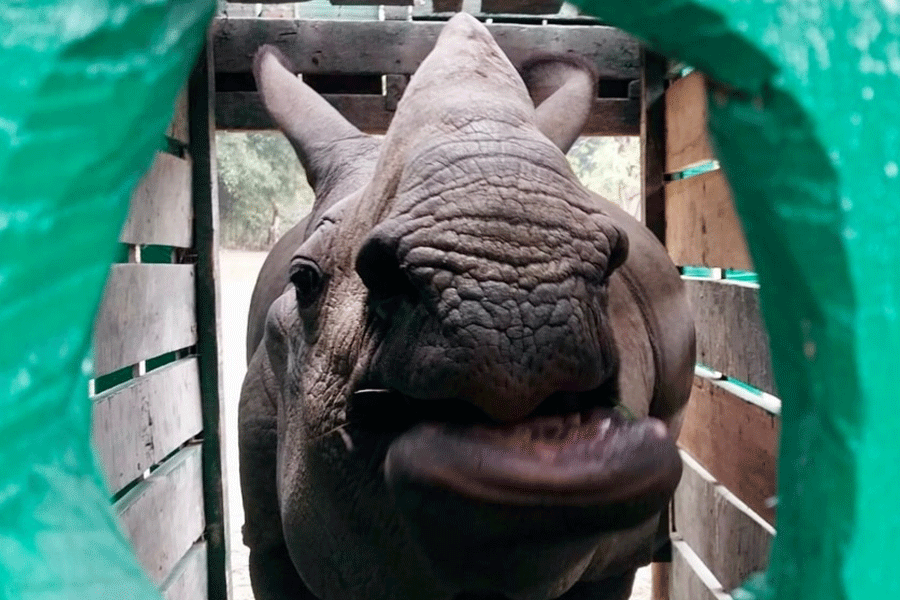
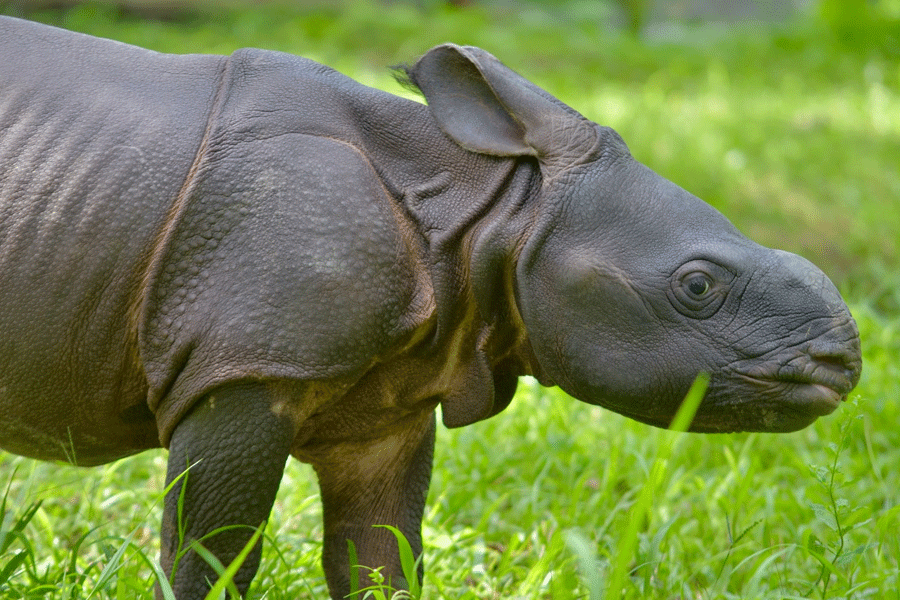
Two male greater one-horned rhinoceros calves rescued as helpless infants during Assam’s annual floods were on Tuesday moved from a rehabilitation centre to a pre-release enclosure inside Kaziranga National Park, marking a critical step in their long journey back to the wild.
The calves, named Kanai and Chandra, were translocated from the Centre for Wildlife Rehabilitation and Conservation (CWRC) after spending more than four years under intensive human care.
Both were rescued during severe floods in 2020 and 2021, when they were only about four to six weeks old and had been separated from their mothers.
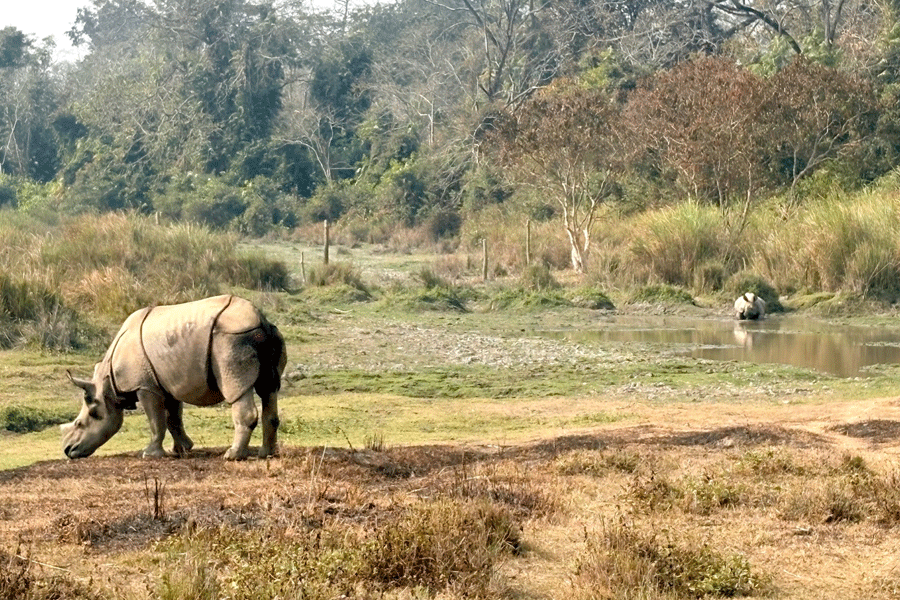
The move to Kaziranga’s pre-release enclosure is designed to help the animals gradually adapt to natural conditions while limiting human contact, a key requirement before they are released fully into the park. Officials said the process follows established scientific protocols developed to maximise survival chances for orphaned rhinos.
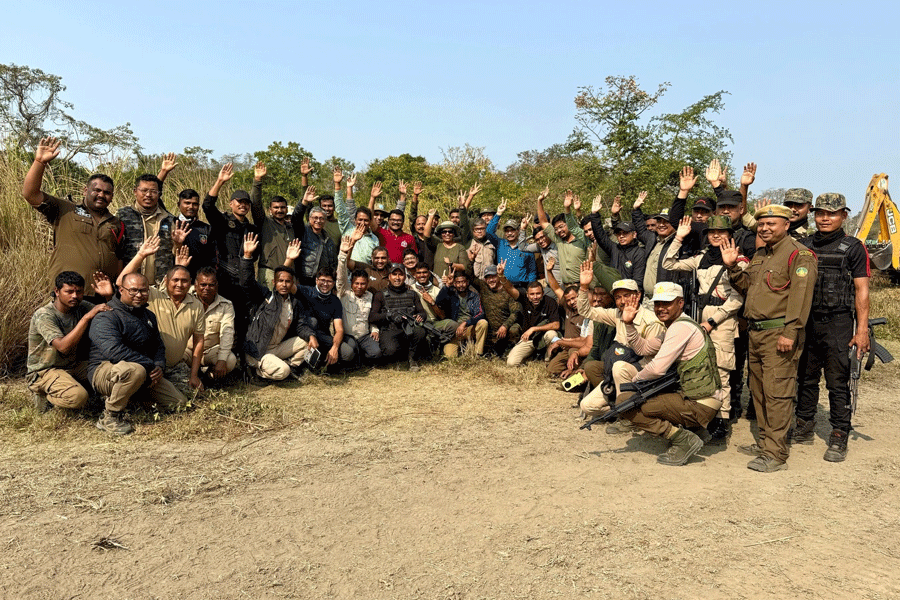
The translocation was carried out on January 29, 2026, through a coordinated effort involving the Wildlife Trust of India (WTI), the International Fund for Animal Welfare (IFAW), and the Assam Forest Department, with support from Kaziranga National Park authorities.
The complex operation was overseen by a veterinary team comprising Dr Bhaskar Choudhury (Centre-in-Charge, CWRC, WTI), Dr Sourabh Buragohain (FVO, Kaziranga), Dr Mohit Nyal, and Dr Mehedi Hassan, along with experienced animal keepers from CWRC.
Officials from Kaziranga National Park, led by Dr Sonali Ghosh, IFS, Field Director, Kaziranga, Mr Arun Vignesh CS, DFO EAWL, and range officers, were also present during the operation.
They were joined by subject-matter experts Dr Rathin Barman, Mr Kaushik Barua, and Dr Anupam Sarmah, who supervised and supported different aspects of the translocation, from animal handling to enclosure preparedness.
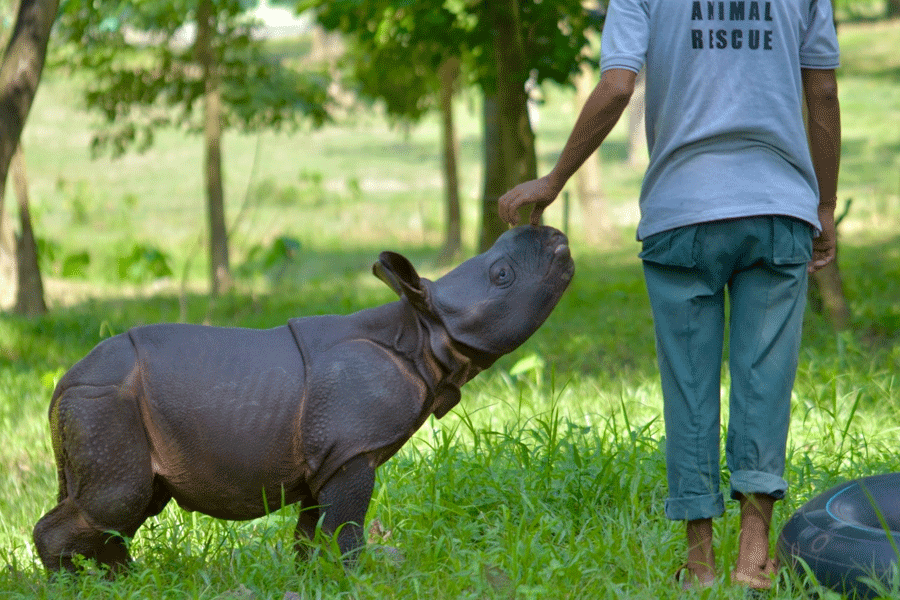
At the CWRC, Kanai and Chandra were raised following strict rehabilitation protocols that aim to prevent imprinting on humans.
Caretakers limited interaction as the animals grew, while ensuring proper nutrition, veterinary care, and exposure to natural behaviour patterns essential for survival in the wild.
Conservationists say the successful movement of the two calves highlights the importance of long-term investment in wildlife rehabilitation, particularly in flood-prone landscapes like Kaziranga, where rising waters regularly displace young animals.
To date, 25 orphaned rhinos have been rehabilitated through this programme, offering them a second chance at life in their natural habitat.
Each successful release, officials said, strengthens ongoing efforts to conserve the greater one-horned rhinoceros, a species once pushed to the brink by poaching and habitat loss.
After spending around two months acclimatising in the in-situ enclosure, Kanai and Chandra will be fully released into Kaziranga National Park, completing a journey that began amid floodwaters and now points back to the wild where they belong.