“Hair is everything! We wish it wasn’t so we could actually think about something else occasionally, but it is!” goes a monologue from the Emmy-winning series Fleabag. And it isn’t hard to see why.
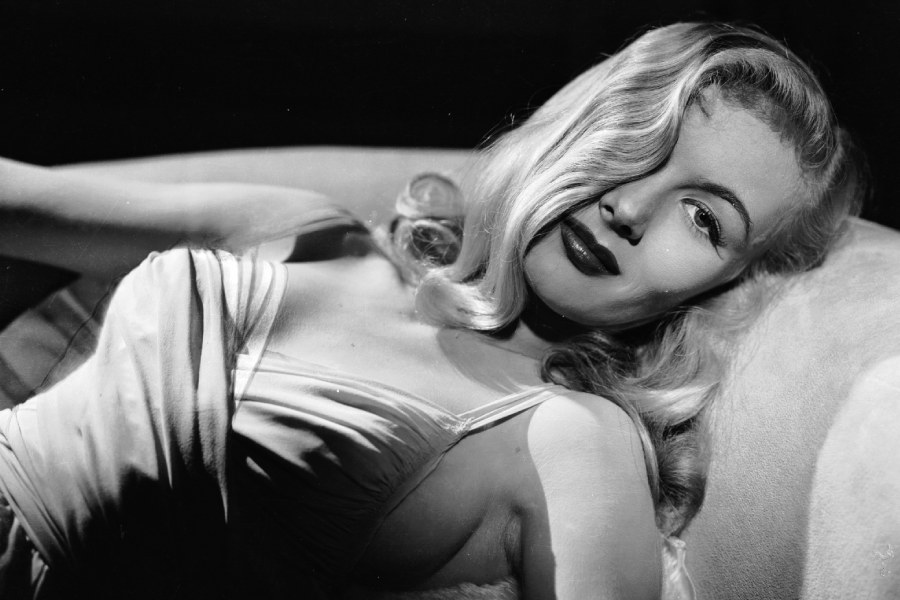
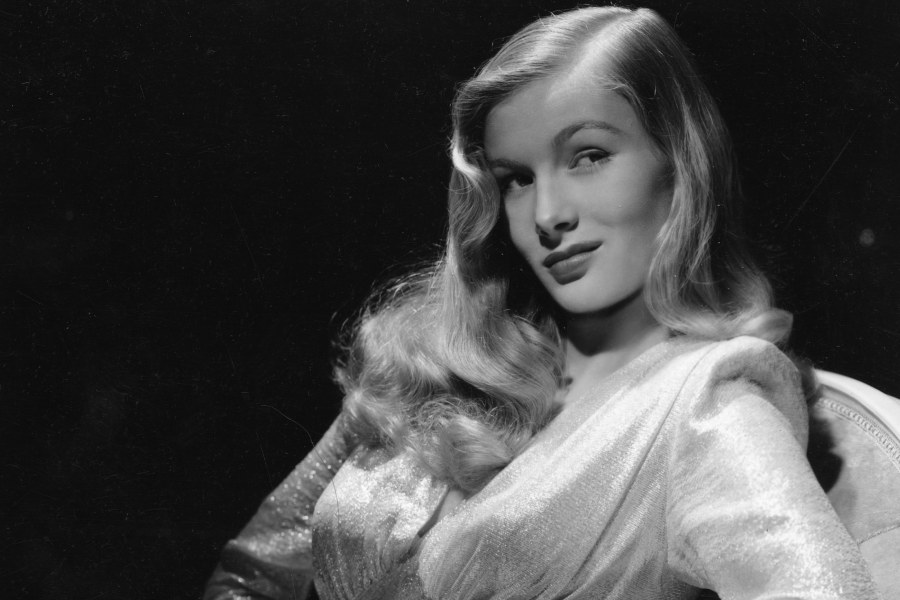
An actress born with both charm and flamboyance, Veronica Lake ruled the hearts of America with something that made her a star during her intense run in the early to mid-1940s: her iconic ‘Peek-a-Boo’ hairstyle.
As we remember Veronica Lake on her 53rd death anniversary, history recalls how the hairstyle that turned her into one of Hollywood’s biggest stars also contributed to her downfall.
At the height of World War II, the actress was persuaded to give up her signature long-hair look in the interest of wartime safety — a decision that would ultimately alter both her image and her Hollywood career.
The world stood on the brink of war, and its people were already bearing the brunt. It was during the early 1940s that Lake made the biggest splash with her hair among American women.
IMDb
Her iconic ‘Peek-a-Boo’ hairstyle inspired a generation after her breakthrough performance in the 1941 film I Wanted Wings. The signature blonde wave falling over her right eye, cascading down the side of her face, was unintentional. While filming, a strand of Lake’s hair slipped across her face, and the filmmakers embraced it as the alluring aesthetic that soon became synonymous with the 1940s femme fatale.
Millions of women across the United States attempted to recreate her locks, making it one of the most widely imitated hairstyles in Hollywood history.
However, the style came with an unexpected consequence. As more women joined the industrial workforce during the war, loose hair posed a serious safety risk by getting caught in heavy machinery, leading to severe injuries.
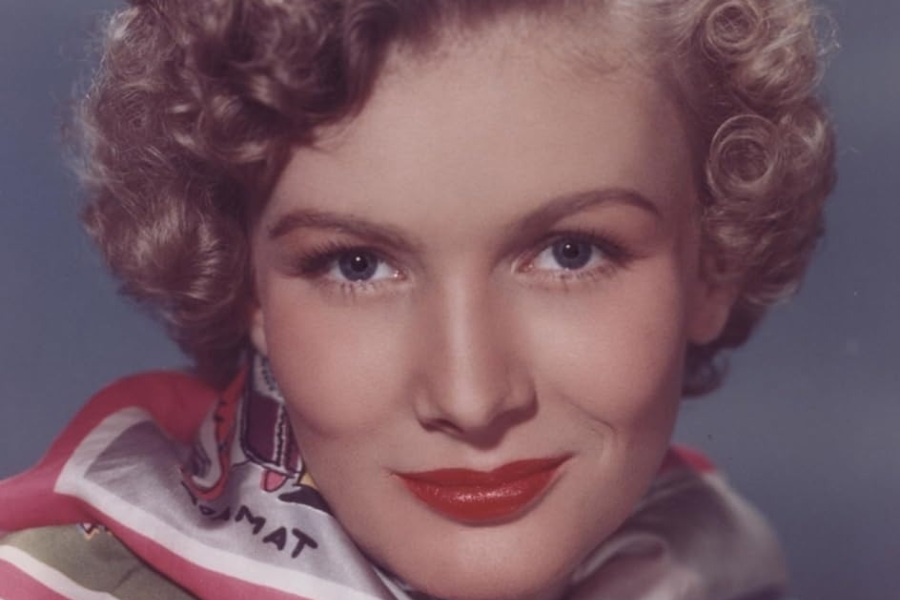
The US government approached Lake and requested that she change her hairstyle to encourage safer workplace practices. She complied, posing for a series of publicity photographs — including one showing her hair caught in a drill press — to demonstrate the importance of tying long hair back. The images were later published in the US-based entertainment magazine LIFE as part of the wartime safety campaign. Lake eventually pinned back and later cut her famous locks.
But giving up the hairstyle that had made her a sensation came at a cost.
IMDb
Without her signature look, audiences felt Lake had lost the mysterious glamour that defined her screen persona. Paramount Pictures struggled to market her without her instantly recognisable trademark, and the actress’ popularity declined rapidly. Within a few years, the woman whose hair had inspired millions found herself pushed to the margins of Hollywood.
On Lake’s 53rd death anniversary, her legacy extends beyond the silver screen. She remains a reminder that a hairstyle can become more than a fashion statement — it can shape a cultural moment, define a career, and, in Lake’s case, extol a remarkable personal price.