With a BD phase and an AD, before Dhurandhar and after, there is a paradigm shift in the way films are being brought before the audience and traditional media is the loser.
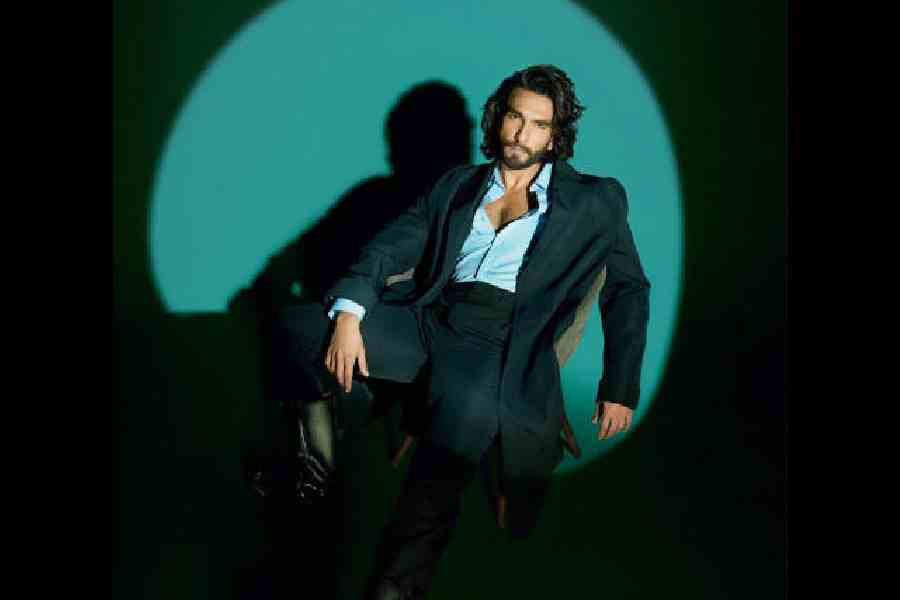
Although the vastly different tonal content of Dhurandhar and Pathaan has led to a perceived standoff between the Aditya Dhars and the Aditya Chopras, at the core of the new promotional strategy is a good old YRF model. Ranveer Singh is from the YRF stable, disciplined in their rules and disinclined to grab off-screen eyeballs.
Long before Dhurandhar: The Revenge came along and put a zip on everybody’s lip, the 25-year-old newcomer of Band Baaja Baaraat (BBB) had willingly kept himself hidden from the limelight until his debut film was released. Curiosity about the new YRF boy had watered misinformation. That he was a Delhi boy (he wasn’t, he was practically the next-door boy having studied at Learners Academy, Bandra, and living opposite Khar Gymkhana), that he was a music jockey (he wasn’t), that his rich businessman father had financed BBB (he hadn’t, in fact he’d faced a slump in his business).
Neither YRF nor Ranveer bothered to issue any clarifications, and we got our first introduction to the exuberant and immensely likeable young man only after the successful release of BBB.
The point is that even as an eager newcomer, Ranveer had the steadfast substantiality to laser-focus on his performance and not hanker after magazine covers. After 15 years of the limelight, he’s even more controlled today, the record-setting acceptance of Dhurandhar further reinforcing his belief that he does not need media exposure. Innately effusive and uninhibitedly warm with the paparazzi, Ranveer’s red carpet appearances continue. But however respectful and affectionate he may be with certain journalists, nobody’s getting an exclusive with him for a long while. Because what will he talk about? What after Dhurandhar is the big question. A big-scale zombie film? Why isn’t he doing Hanu-man maker Prasanth Varma’s Rakshas? Why has he walked out of Don 3? He’s not keen to provide answers.
At a function where Farhan Akhtar and partner Ritesh Sidhwani announced that Universal Music had bought 30 per cent stake in their company Excel Entertainment, there was a moment offstage when I gestured to Farhan about Don 3. He gestured back, “Not happening, will talk about it later.”
That was the first official acknowledgement that in the AD phase, Ranveer was not going to work in Don. BD, when Ranveer’s chips were reportedly down, he’d been kept dangling without a final script, compounded by whispers that Excel was buying time, shopping around for a more saleable hero. AD, Ranveer walked off, Excel in pursuit of the now-hot-selling actor. Interestingly, in the AD period, it’s the YRF model that’s kicked in.
Remember how Ahaan Panday was kept under wraps and only director Mohit Suri
engaged with the public before Saiyaara?
It’s Aditya Dhar in the same spot now, doing a fine job of introducing his crew,
one by one, to the audience via social media posts. Zero attendance at awards
functions, shunya acceptance speeches. It’s a first for a record-setting filmmaker who
has notched up many firsts.
In BD times, at the trailer launch of Dhurandhar in December, Dhar had pulled off another never-before when he’d brought casting director Mukesh Chhabra on stage, deservedly giving him as much importance as any actor or crew member. That was also a welcome first time.
Alongside the new model of bypassing the media and staying directly relevant with the audience, there’s a small debate raging within the industry on hierarchy. Should the one bankrolling a project (YRF/JIO) do the talking or the director? Both production houses have handed the spotlight to the director.
But there’s chatter around the costliest-ever Indian film Ramayana, budgeted around ₹4,000 crore for two instalments, where the producer, the tall and imposing Namit Malhotra, has been unfailingly taking the mike while self-effacing director Nitesh Tiwari waits his turn. The title too, reads Namit Malhotra’s Ramayana, giving the producer prominence over the director.
This is a first time too. Welcome or not, time will tell.
Bharathi S. Pradhan is a senior journalist and an author