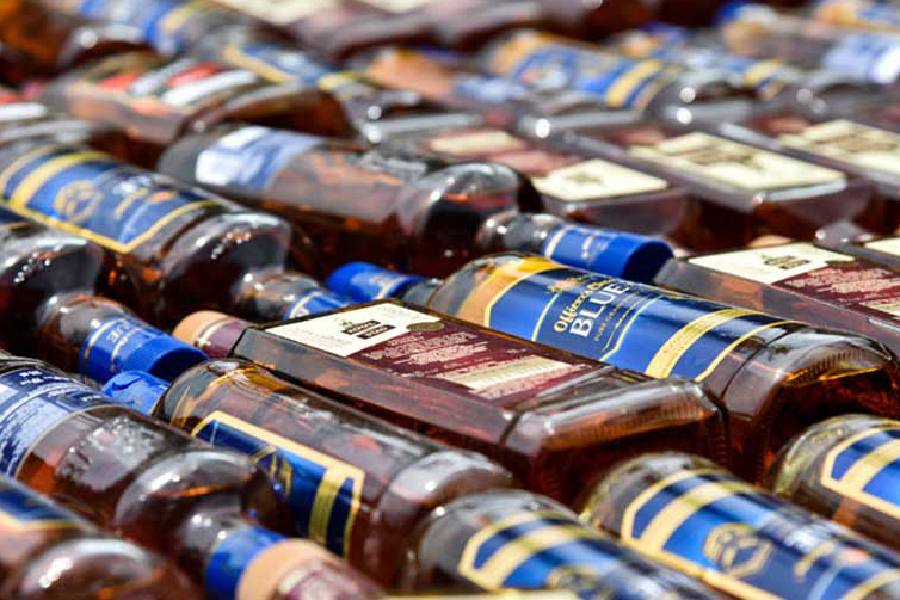
The state excise department stands to lose around ₹600 crore if prohibition in Calcutta and adjoining districts is enforced across Bengal during the election period.
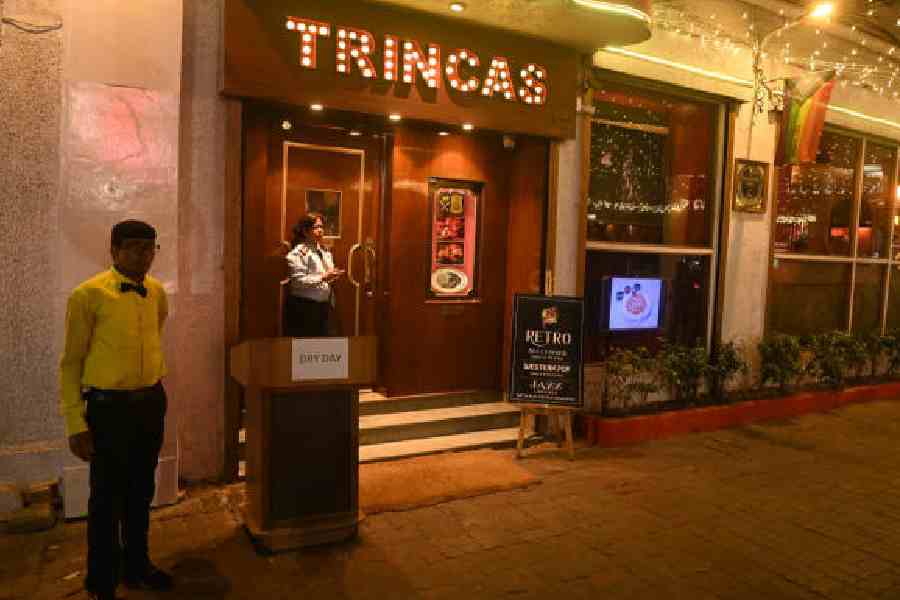
Calcutta went dry on April 20. Barring a brief window on April 24 and till 6pm on April 25, the ban will remain in force till April 29 and again on May 4, the day of counting. Half of this shutdown aligns with routine 48-hour pre-poll restrictions and the counting-day ban. But the other half stems from the latest order.

The state government collected excise revenue of around ₹18,850 crore in 2023-24. The current annual projection is pegged at about ₹23,000 crore, said a source in the excise department.
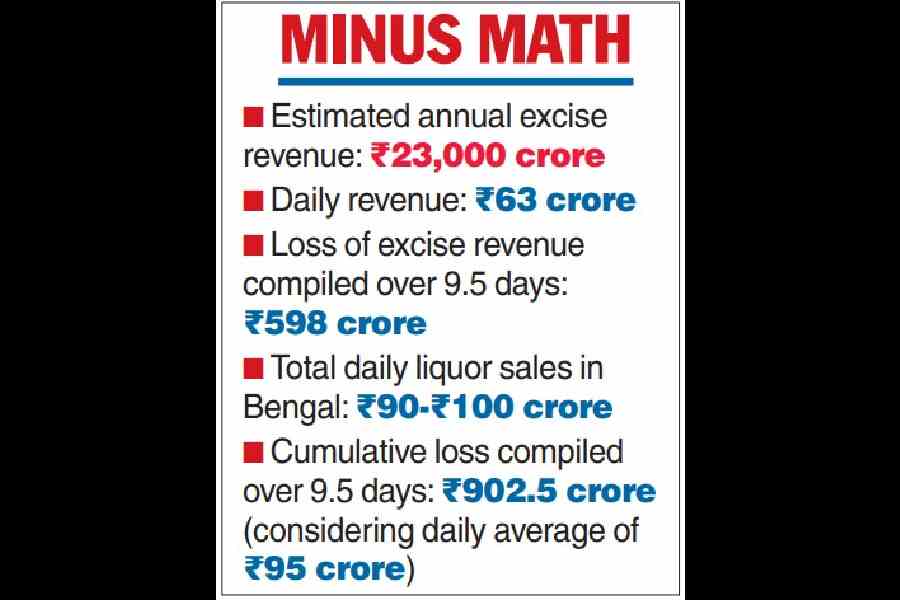
On average, the state earns around ₹63 crore per day from liquor sales. Over nine-and-a-half days of restrictions, this translates to an estimated loss of around ₹600 crore. The figure could be higher as several small off-shops are expected to remain closed on April 25 to avoid rush and possible chaos.
Daily liquor sales in Bengal range between ₹90 crore and ₹100 crore, rising to around ₹125 crore during festive periods, said excise sources. Pub owners said late April sees steady demand, making the timing particularly harmful. If ₹95 crore is taken as a daily average, total sales lost over the restriction period could be close to ₹900 crore.
Conversations with industry insiders revealed that a breakdown of revenue sharing shows that in a ₹1,000 liquor sale at a bar, about ₹250 goes to manufacturers, ₹60 to the outlet, and roughly ₹690 goes to the state excise exchequer.
Livelihood worry
Beyond revenue loss, the restrictions have raised concerns over employment in the sector. Conservation industry estimates suggest around 2.8 lakh people are directly or indirectly employed in the alcohol trade.
“This includes workers in manufacturing, packaging, logistics, bars, pubs and off-shops. Many are daily-wage employees, so no work means no pay. They will be the worst hit by the ban,” said a source.
Dinu Dhar, who cleans tables at a pub in a south Calcutta mall, said he would still report to work on dry days. “The place is half empty, so tips drop. The bigger worry is being told to stay home for several days,” said Dhar, a Sonarpur resident.
While bar staff can sometimes be reassigned to other duties, employees at liquor off-shops are more likely to be sent home without pay during the shutdown, said store owners.