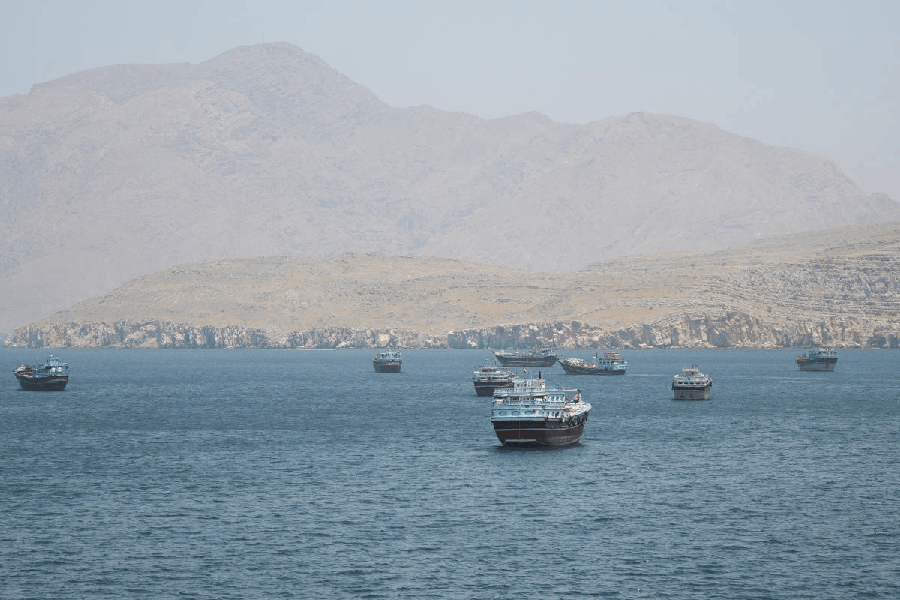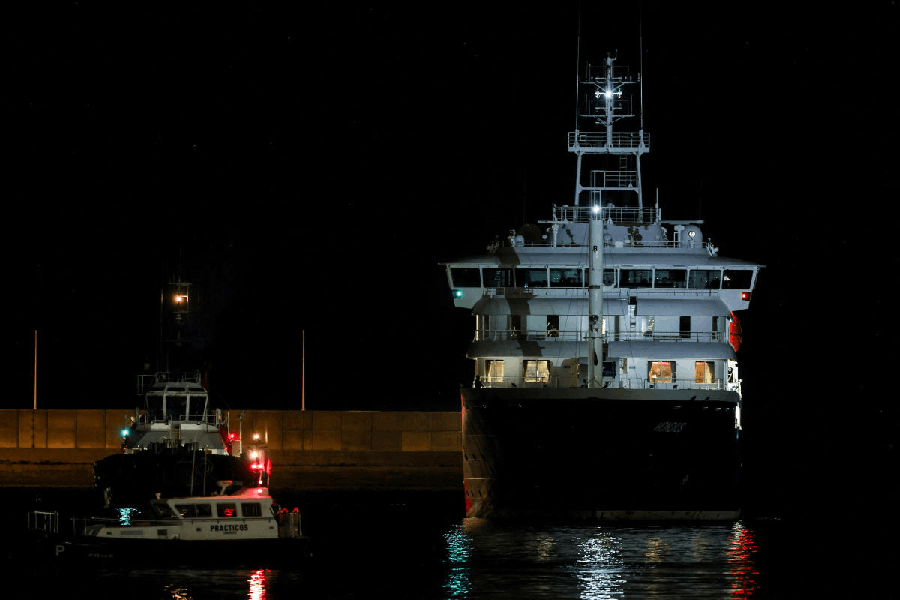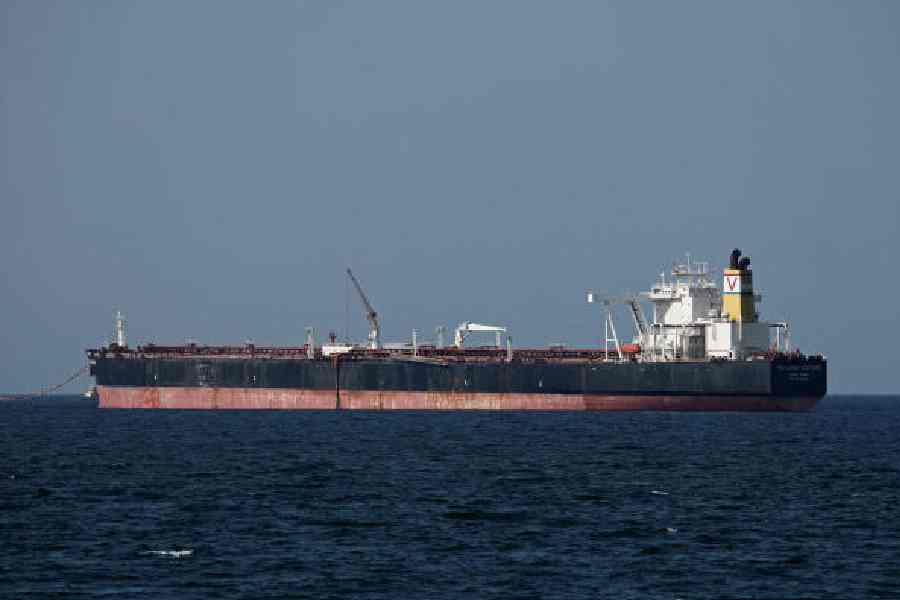
Goldman Sachs said oil prices are likely to exceed $100 per barrel next week if no signs of a solution emerge to the severe disruption in flows through the Strait of Hormuz, warning that upside risks to its base‑case forecast are rapidly growing further, while US treasury secretary Scott Bessent suggested that US may unsanction more Russian oil supplies to counter the squeeze.
The bank said it plans to revisit its oil price forecast soon if it does not see evidence supporting its assumption of a gradual normalisation in Strait of Hormuz flows over the next few days.
Its current base‑case Brent forecast is in the $80s for March and the high $70s for the second quarter.
“We now also think it’s likely that oil prices, especially for refined products, would exceed the 2008 and 2022 peaks, if Strait of Hormuz flows were to remain depressed throughout March,” it added.
Earlier in the day, Barclays said that Brent crude could potentially test $120 a barrel if the West Asian conflict persists for another couple of weeks.
Crude oil was set on Friday for its strongest weekly gain since the
extreme volatility of the Covid-19 pandemic in the spring of 2020, as conflict in West Asia kept shipping and energy exports through the vital Strait of
Hormuz halted.
Goldman Sachs currently estimates that average daily flows through the Strait of Hormuz are down 90 per cent.
A spokesman for Iran’s Revolutionary Guards challenged US President Donald Trump to deploy US naval vessels to escort oil tankers through the Strait of Hormuz.
Trump demanded Iran’s “unconditional surrender,” a dramatic escalation of his demands a week into the war, which could make it more difficult to negotiate a swift end to hostilities.
Open to lifting sanctions
Treasury secretary Scott Bessent said the US may lift sanctions on further Russian oil supply after a move Thursday to give Indian refiners the green light to purchase crude from the nation.
“Treasury agreed to let our allies in India start buying Russian oil that was already on the water,” Bessent said in an interview with Fox Business on Friday.
“To ease the temporary gap of oil around the world, we have given them permission to accept the Russian oil. We may unsanction other Russian oil,” he added.
Bessent said there’s “hundreds of millions of sanctioned barrels” of crude on the water now. “In essence, by unsanctioning them, treasury can create supply,” he said.
In an effort to unlock supply from the region, the Trump administration has rolled out a plan to allow the US International Development Finance Corp. to put in place a reinsurance program to guard against losses up to about $20 billion for vessels that traverse the strait.
Bessent echoed other officials in anticipating the US efforts to defeat Iran will prove victorious. “Our campaign has been overwhelming,” he said. “They’re trying to create economic chaos, and I don’t think they’re going to be able to do it.”