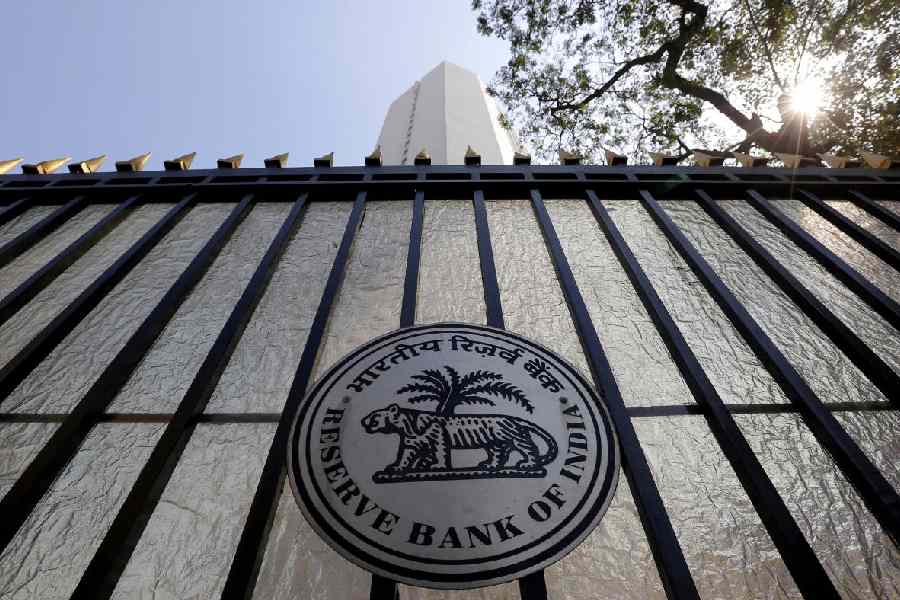
India’s economy may face mounting pressure in 2026-27 from a volatile mix of geopolitical tensions, rising energy prices, supply chain disruptions and weather-related risks, with the Reserve Bank of India (RBI) cautioning that these factors could weigh on both growth and inflation in the months ahead.
In its annual report released on Friday, the RBI said that while the economy has so far displayed resilience amid global uncertainty, the outlook remains vulnerable to external shocks, particularly from the escalating conflict in West Asia and the growing threat of El Nino conditions affecting the monsoon-dependent agriculture sector.
The central bank flagged elevated crude oil and commodity prices as a major concern, warning that prolonged geopolitical tensions could trigger imported inflation, disrupt trade flows and intensify financial market volatility. Market turbulence, which
persisted through much of 2025-26 due to geopolitical risks and stretched valuations, intensified sharply towards the end of March following the outbreak of the West Asia conflict.
“Going forward, India’s growth outlook remains positive, though the West Asia conflict and the attendant risks of elevated energy prices, supply chain disruptions, financial market volatility, uncertainty surrounding global trade policies and weather-related disruptions could pose headwinds to growth and inflation in the short run,” the report said.
The RBI also cautioned that the outlook for agriculture remains heavily dependent on the progress and spatial distribution of the south-west monsoon.
The possibility of El Nino conditions, typically associated with below-normal rainfall and adverse weather patterns, poses downside risks to farm output and rural demand.
The warning comes even as the India Meteorological Department on Friday projected monsoon rainfall at 90 per cent of the long-period average for the June-September season, with a model error margin of 4 per cent, raising concerns over uneven rainfall and stress on agricultural production.
Despite these risks, the RBI maintained that the broader economy continues to be supported by strong private consumption, sustained investment activity and relatively healthy macroeconomic fundamentals.
Robust corporate and banking sector balance sheets, continued government spending on infrastructure and the implementation of trade agreements with key partners are expected to lend support to growth momentum.
On inflation, the central bank projected consumer price index-based inflation at 4.6 per cent for FY27, while cautioning that risks remain tilted to the upside.
Although adequate foodgrain stocks, sufficient reservoir levels and stable agricultural prospects could help contain price pressures, the RBI warned that any spike in global fuel and commodity prices, coupled with exchange rate volatility and rising input costs, could quickly reignite inflationary pressures.