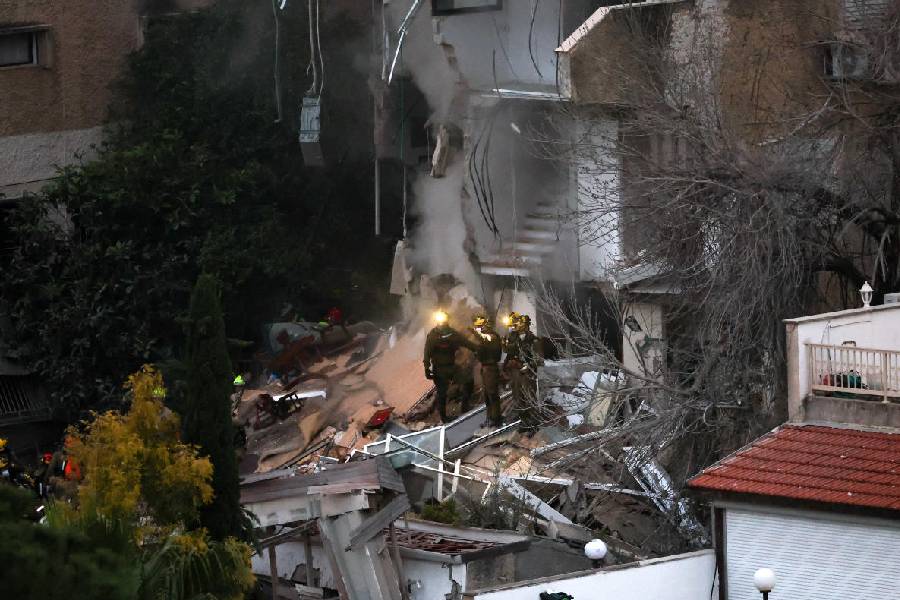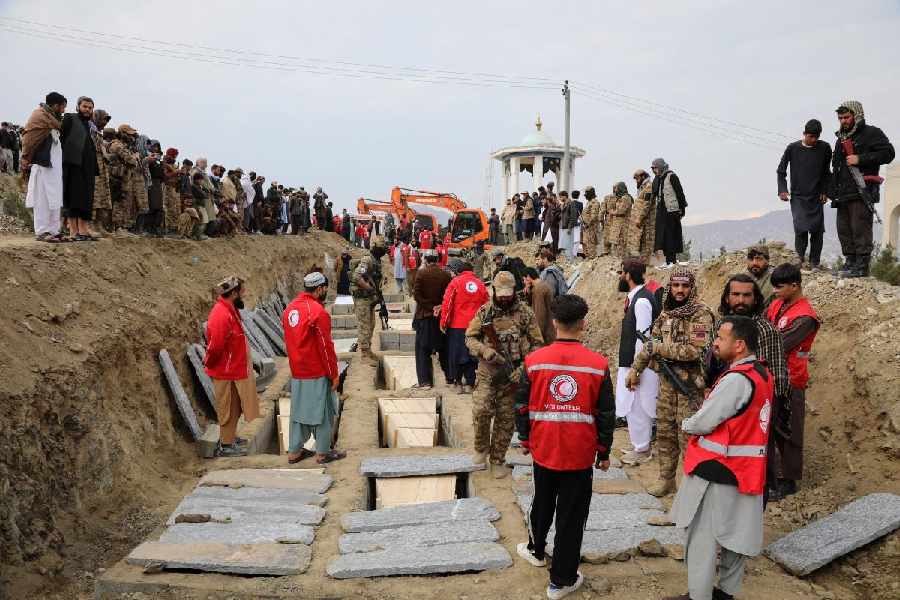

"Earthquake rocks Northeast"
"Floods cripple Chennai"
"Uttarakhand floods claim 5,700 lives"
Headlines like these send a shudder down our spine as we wonder what we would do if such a calamity was to hit us. Natural calamities of very high magnitudes have hit India over the past couple of years. In such situations, apart from coping with the grief of losing close relatives, one is also forced to assess the damages to home, office and automobiles.
While many newspapers have highlighted the fact that government compensation was directly credited to the victims' bank accounts, thanks to the Jan Dhan drive, one would agree that the compensation would hardly suffice to get life rolling again.
In situations like these, the general insurance product basket may help you hold fort. They protect you from material and income loss and ensure calamities don't cripple your finances.
Protecting assets
In India, a separate calamity insurance cover is not available, but you can protect your house and other assets such as shops and vehicles through insurance covers such as home insurance, fire and special perils cover, householder's packaged policy, motor insurance and additional or add-on covers available.
Home insurance policies cover fire, explosion and implosion, earthquake, lightning, storm, cyclone, tempest, tornado, hurricane, flood and inundation, missile testing operation, subsidence, landslides and rockslides. Select policies would also cover you against loss caused by riots and strikes or even volcanic eruption under the special perils cover.
Sixty-seven-year old Chinama realised the extent of damage the floods in Chennai had caused to her Adayar residence only after the water receeded. Had it not been for the home and valuables insurance policy that her son had purchased during his last visit to India, her retirement savings would have been soaked to mend the damage caused by the flood.
Fire accidents have gutted innumerable homes and businesses in the past. Shops are often protected as many businesses mandatorily need to be covered. But homes are vulnerable and personal damages aren't covered, often even by the businessmen, who cover their office premises. Unless you live in a fire-proof dwelling unit, you should cover your home from the risk of fire accident.
Terrorist attacks or man-made disasters, too, have been rampant and such acts of terrorism aren't usually covered under all policies. Hence one should consider a householder's packaged insurance policy, which would be a comprehensive protection for both the home and its contents such as refrigerator, oven and other appliances, furniture and jewellery. In case of an untoward incident, the insurance company will compensate to the extent of repair costs based on the chosen sum assured.
Personal accident
Calamities often go hand in glove with injuries such as fractures, burns, sometimes disability, but also communicable diseases such as diarrhoea and cholera and you are forced to not just bear the damages for assets but also bulky medical bills.
A health insurance cover can rescue you from such medical expenses, while the personal accident cover, too, can reduce the burden depending on the nature of the crisis.
Under the personal accident policy, those who wouldn't be in a position to report to work because of injuries would get an income stream of up to 100-104 weeks.
Add-on covers
Trying to start your car or driving in a submerged condition may cause damage to the engine, which wouldn't be covered by the regular mandatory motor insurance policy.
But additional riders such as engine protect come to the rescue. Another add-on cover to consider is the zero depreciation cover, wherein the original value of the spare part being replaced is considered instead of the depreciated value.
Even though these insurance policies come at just Rs 50 per lakh, only a handful of people have opted for them.
Damage vs claims
This is evident from the share of insurance claims in the overall economic losses caused to the region after any disaster.
According to AON Benfield November 2015 Catastrophe Recap report, the total economic losses in India "were estimated to reach as high as Rs 200 billion. However, India's general insurance claims possibly touched up to Rs 20 billion."
The Jammu & Kashmir floods caused Rs 5,700 crore of damage, but insurance claims were only for about Rs 1,500 crore.
If you thought you live in a safe zone and wouldn't need protection,then the estimates of the National Disaster Management Authority would help.
According to NDMA, 57 per cent of the Indian landmass is prone to earthquakes, while 76 per cent of the coastline is prone to cyclones and tsunamis.
You can seek solace in the fact that you can protect yourself from possible damage by just paying 0.25-0.3 per cent of the benefit amount, also called sum assured in insurance parlance.
It is time to shake the "it-won't-happen-to-me" syndrome and seek protection for yourself, your home and other assets now.
Author is head - corporate planning, operations, customer service, product development, Universal Sompo General Insurance