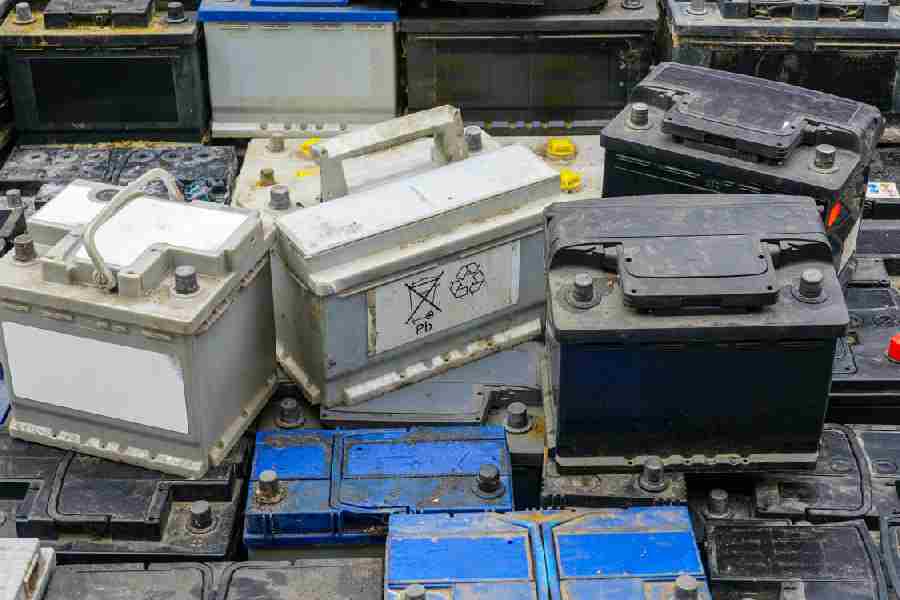
The Indian Battery Manufacturers Association (IBMA) has approached the Union environment ministry and the Central Pollution Control Board (CPCB) seeking changes to the Battery Waste Management Rules (BWMR), saying certain provisions of the current framework could inadvertently strengthen the informal recycling sector instead of promoting environmentally compliant recycling.
In representations to the government, the industry body has urged changes to the implementation of the Extended Producer Responsibility (EPR) regime, arguing that organised manufacturers are facing higher compliance costs while informal operators continue to dominate the collection of used lead-acid batteries.
The lead-acid battery industry, with annual revenues of over $5 billion and exports to more than 70 countries, says India already has one of the world’s most efficient recycling ecosystems, with over 97 per cent of batteries recycled and more than 85 per cent of lead requirements met through recycled metal.
According to IBMA, the key challenge is not recycling capacity but the continued diversion of used batteries to scrap dealers and unorganised recyclers through cash transactions outside the formal system. It added that the 18 per cent GST on used batteries further encourages tax evasion and fraudulent input tax credit claims.
While backing the objectives of BWMR 2022, the association has sought three key changes. It wants dealers to be mandated to channel used batteries only to manufacturers or authorised recyclers, saying the absence of such a requirement weakens formal collection.
IBMA has also questioned the pricing mechanism for EPR certificates, arguing that the prescribed price band artificially inflates compliance costs without improving environmental outcomes and could eventually increase battery prices for consumers.
The association has further called for a rethink on the CPCB’s proposal for anonymous electronic trading of EPR certificates, saying it ignores investments made by manufacturers in captive recycling facilities and discourages long-term recycling partnerships.
According to IBMA, without the rules being fine-tuned, they could increase compliance costs, encourage fraudulent certificate generation, discourage investment in organised recycling infrastructure and ultimately undermine the objectives of creating a robust circular economy.