Book: STORIES WE WEAR: STATUS, SPECTACLE AND THE POLITICS OF APPEARANCE
Author: Shefalee Vasudev
Published by: Westland
Price: Rs 699
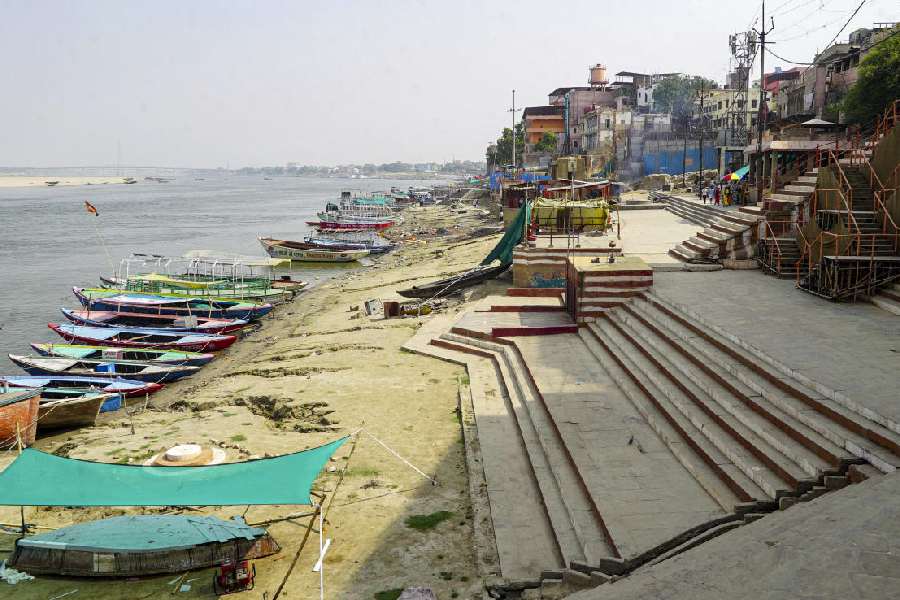
In Stories We Wear, Shefalee Vasudev defines appearance as “simply the way reality announces itself”, adding, “I tried to look long enough to hear it speak.” The cover design, title and blurb do not prepare the reader for the wide-ranging subjects that fill the pages of the book. The ‘appearances’ that she covers range from Kartavya Path to Nigambodh Ghat in Delhi, moving through burn wards, airports and cafes. The 10 essays in this collection create a dissonance in the reader’s mind, a dissonance that Vasudev acknowledges in the Epilogue. How can such distinct subjects come together?
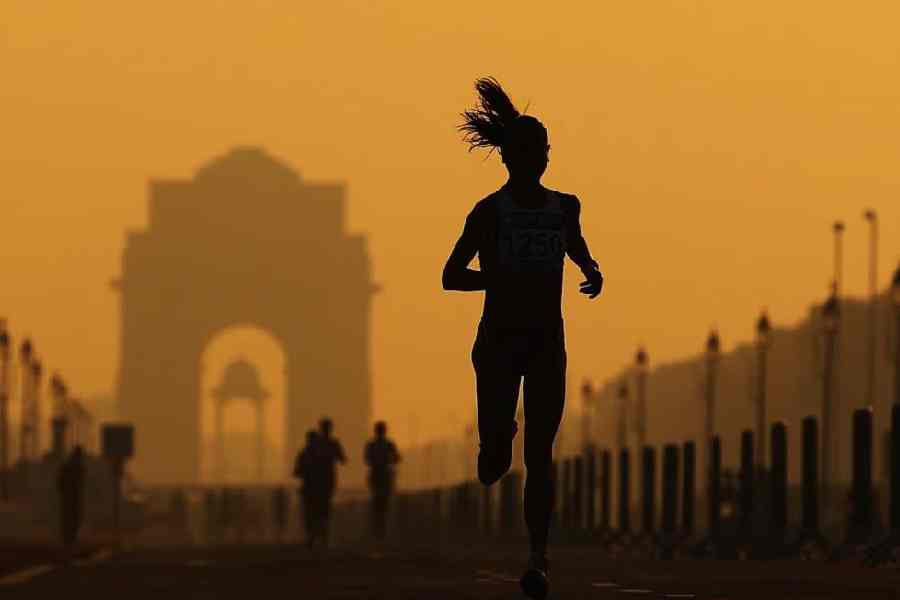
Vasudev begins with an essay on the people on Kartavya Path — the elite runners, joggers, cyclists, walkers, street peddlers and security guards. These categories come with familiarity in their dressing, including gadgets, and how they are perceived. This essay is disconcerting at first, with its many subheads that sometimes break the flow of reading instead of binding the section. The book cover gives the impression that this might be about the oppression of fashion and the impact of clothing on people’s psyche. It’s anything but that.
The author eases the reader by discussing familiar people and politicians’ measured clothing; there is a detailed essay on misusing khadi in the industry. She then challenges readers by the essay titles that bring to mind a common perception of reality and subverts them. For instance, in her essay, “Airport Look”, she moves away from the celebrities and the paparazzi to discuss the gaze of the Central Industrial Security Force. In this nuanced piece, she highlights how airport security recognises different types of anxiety amidst flyers, maintaining decorum and mindfully staying calm when they have to take harsh steps. She goes deeper into their lives and training to become CISF. This transformation of the gaze, from looks to serve the masses to looks that serve the masses, is brilliantly explored.
In another essay, as she navigates the politics of the rising anti-heroine in OTTs and searches for such women in reality, she confronts her own moral comfort of rooting for them from the distance of the TV screen. She asks, can we accept women who linger in the grey areas of their lives, consistently defying the black and the white of being a bad or a good woman in society? Fans of Gilmore Girls will chuckle every time Lorelai and coffee come together in “Coffee: Brewed In Translation”, an essay that explores the elite café culture vis-à-vis coffee farming in Araku Valley which informs the reader of the farmer-profit agricultural set-up that leads to one of the highest-rated coffees from India.
The discomfort of the realities we overlook binds the essays together. Vasudev’s writing is vivid and pleasurable; one remembers the pearls on Masaba as much as the steel rod in place of tibia in a burn patient. There’s a dialogue between the privileged and the people on the margins, a dialogue one hopes not to look away from.