Book: COLOUR MY GRAVE PURPLE AND OTHER STORIES
Author: Shehnab Sahin
Published by: Niyogi
Price: Rs 695
Shehnab Sahin’s debut collection stokes the inconclusive feud between history and fiction: both prize bearing the mantle of ‘truth’ despite drawing fuel from an ambiguous mine — stories. Stories are permutations between context and perspective: the deeper the probing into context, the deeper the perspective and the more intricate the storytelling. Sahin’s “love for history” admixed with “unique storytelling ingredients” from the Northeast invites readers to take a dip into this jarul-covered book of ten stories that examines Assam’s political history while centering human interactions. A chronological account from colonial to contemporary times, Colour My Grave Purple… functions as an anthology from a region where the jarul still purples up spring and history bears shades of the colonial past.
Etched on Assam’s tea-plantation history is the bafflement of the botanist-turned-crop-surveyor, Samuel, with his encounter with elements of the Orient — the kachari and Bengali garden labourers. Next comes the indigenous medical practitioner, Rebo, who is peeved at the colonial interventions in their lives, especially in indigenous poppy cultivation that sparked the 1861 peasant uprising in Assam. On the canvas of Gandhi’s 1921 visit to Assam is portrayed the story of Mamoni who reaches puberty, experiences constricting traditional rituals around the menstruating body, and, yet, nurses a hope for freedom of the mind. The account of the life of the anthropologist, Ursula Bower, among the Zeme Nagas of Laisong revisits the sense of awe at how a European made the exotic her home. Assam’s volatile political ambience is invoked through time-posts of the 1959 Tibetan exodus and the 1962 Sino-India war to narrate the resilience of the common Assamese during these crises. Through the neo-Vaishanavite version of the 15th-century Ankia Naat is fleshed out the tale of Pradip coming out of the closet story, while the Baghdadi migration to Assam with the 17th-century Sufi saint, Anjaan Pir, is told through the Jamila-Juri tale that focuses on conflict and cohabitation among Assam’s majoritarian populace.
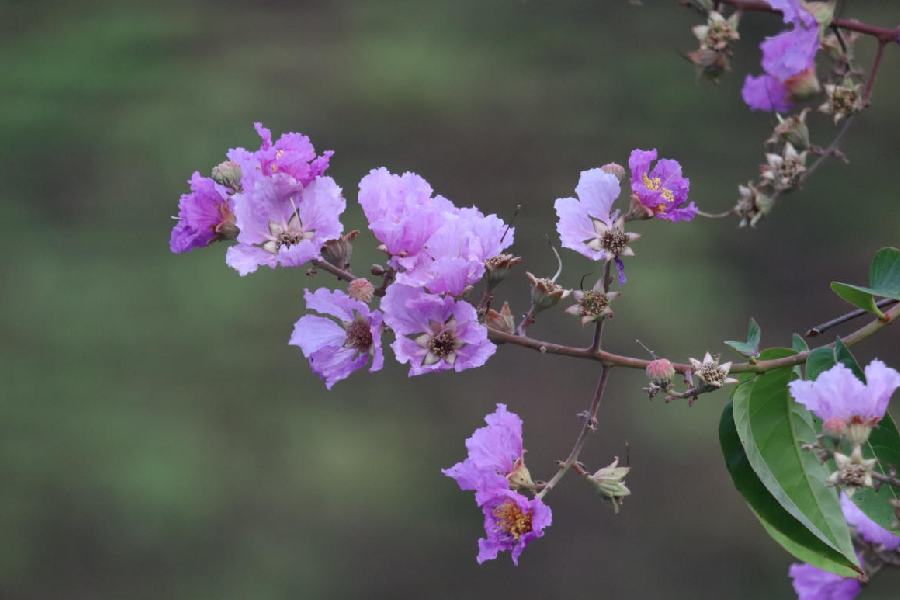
The time-range — 1980-2000s — is used to narrate Sara’s defiance of Muslim customs when she visits her father’s grave to find it covered with purple Ezar (jarul) flowers that have fallen from the neighbour’s tree. There is also Daisy, a Guwahati-based, Delhi University-trained Assamese who visits Karbi Anglong to collect data for her ethnobotany-cum-gender-based research and opines with liberal lightheartedness on the human-elephant conflict. Contemporary dissension around CAA powers the last story, wherein the nameless protagonist’s life is wrecked as she navigates the complexities between internally-displaced and indigenous Assamese Muslims communities.
Sahin is a skilful storyteller: articulate, observant, self-reflective, humorous. However, the mish-mash of history that leavens her content appears coaxed at times, even superfluous, especially when she sprinkles contemporaneity from above without facing the elephant on the ground. The book offers pointers to beginners in Assam’s colonial past; for story lovers, it has enticing ingredients; for mature readers, the book encourages hope that deft story-tellers would realise the immense possibilities imbued in stories while consciously choosing which stories need to be told and to what end.