|
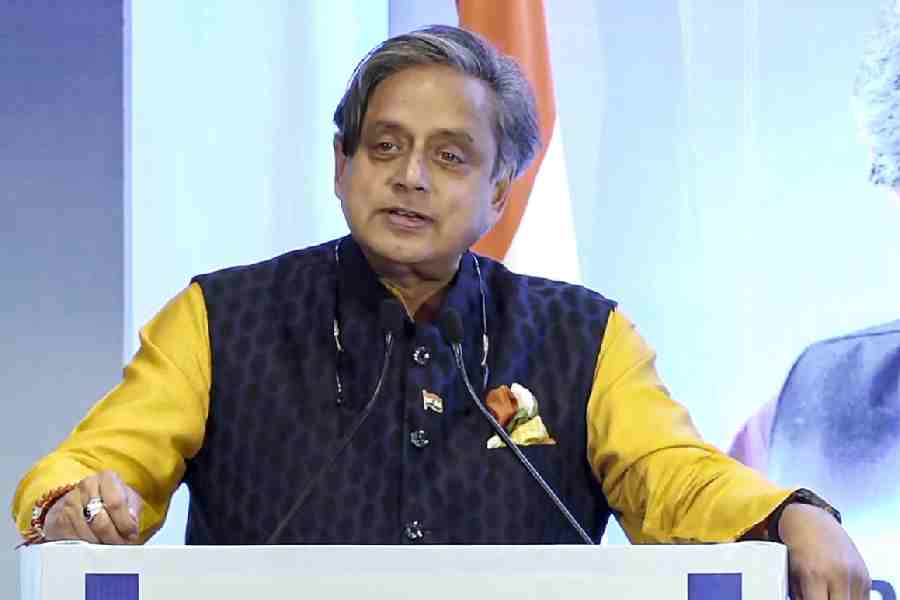
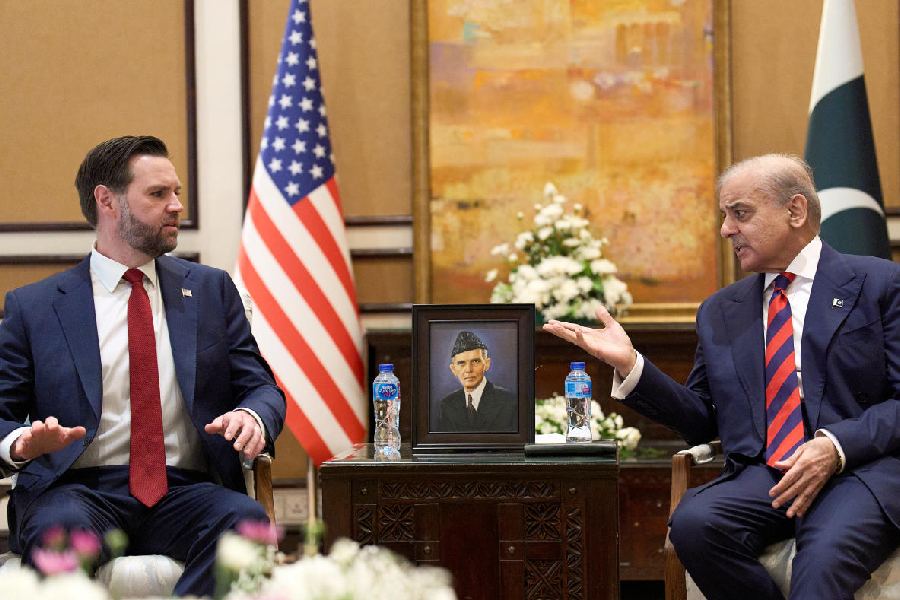
| Deputy chief minister Sushil Kumar Modi and (right) social economist Shaibal Gupta present the report card in Patna on Tuesday. Picture by Jai Prakash |
Patna, Jan. 24: The state’s struggle on the power front is far from over.
A Greenpeace report, “Empowering Bihar: Policy pathway for energy access”, that was released today pointed out how the state is struggling to tide over its power scarcity.
The report stated as against the demand of 1,500MW in the state, the availability is only around 950MW. Thus, the annual per capita consumption of power across the state is only 95 units as against the national average of 717 units. considering the constraints of coal linkage and scarcity of natural resources, the state is struggling to augment power generation through conventional sources of energy, including thermal power plants.
However, with abundance of renewable resources of energy in the form of rice husk, sugarcane, weed from wetlands, availability of solar radiation over eight months in a year and ample water for small scale hydro plants, the state still can succeed to overcome its power crisis, the report said.
Unveiling the report, deputy chief minister Sushil Kumar Modi spoke at length about the slew of incentives that the state government was offering to the entrepreneurs with an aim to set up power plants that could exploit renewable sources of energy.
“The state government has approved Bihar Policy for Promotion of New and Renewable Energy Sources, 2011, which aims to attract entrepreneurs to set up power plants based on renewable energy sources, including solar, wind and hydro. The government has also in store for them an array of incentives such as no entry tax for plant and machinery and permission to set up small scale hydro power plant on canals. It is because of such incentives that 33 rice mills-cum-gasifier units have been established across Bihar and over 175 similar projects have also been approved,” Modi said.