|
 |
 |
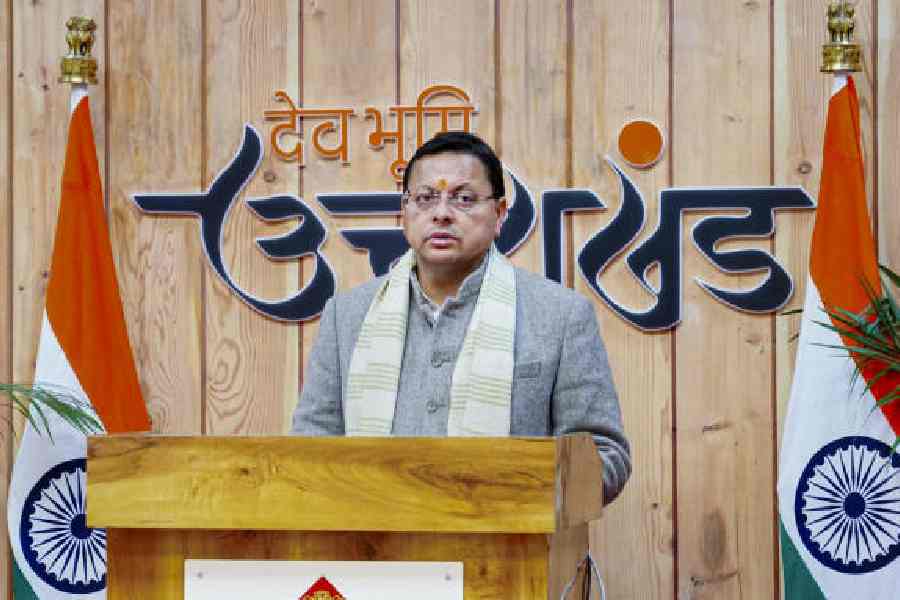
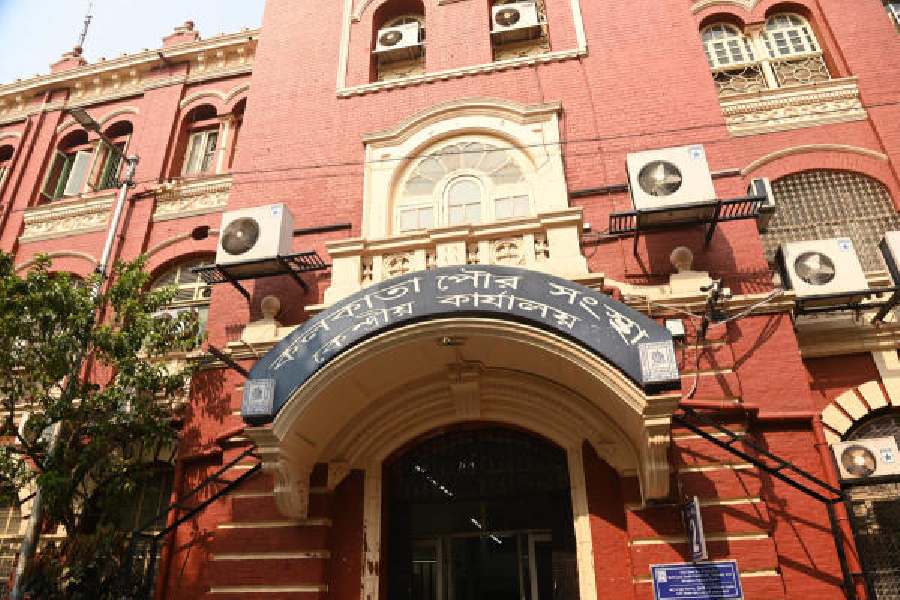
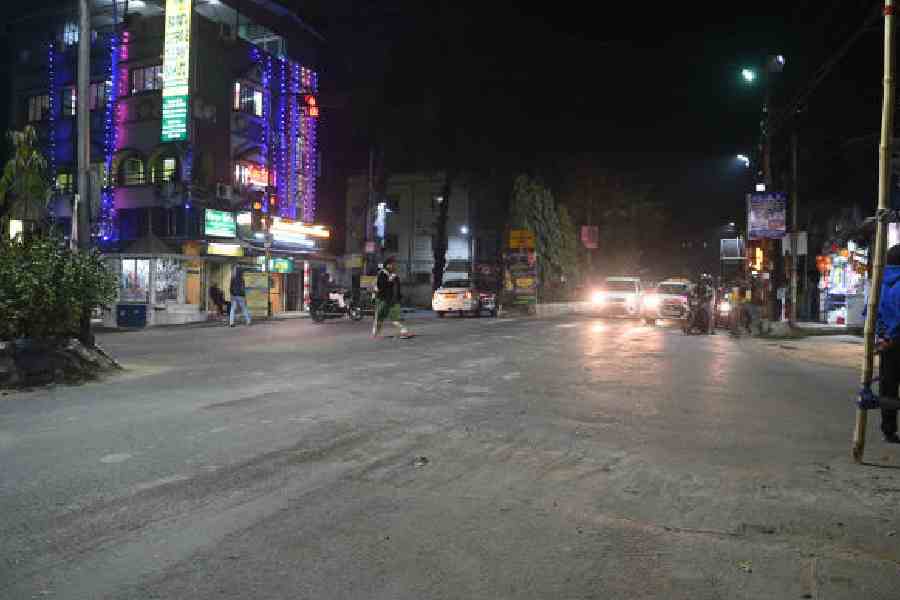
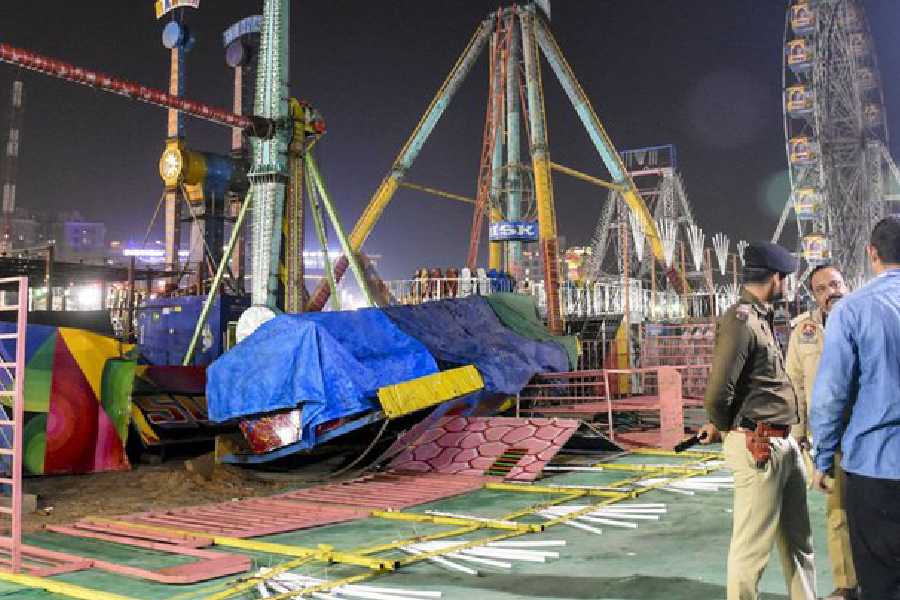
| DEADLY ACTS: (From top) The blast site in Margao; the Sanatan Sanstha’s headquarters in Ramnathi village. A Narkasur parade |
The Narkasur burning festival is the high point of Diwali celebrations in Goa. The night before Diwali, locals parade with huge effigies of the mythological demon Narkasur. The next morning, the effigies are burnt with much fanfare. Over the years, the Narkasur parade and effigy burning have become so popular that corporate sponsors have stepped into the picture, announcing contests and prizes for the best effigy.
“The revelry hurt nobody, but a Hindu right wing group called Sanatan Dharma Sanstha has been complaining that since it was Lord Krishna who slayed Narkasur, he should get more importance in the festival rather than the demon,” says Atmaram Deshpande, superintendent of police, Goa.
Members of the Sanatan Sanstha regard themselves as the custodians of Hindu rituals and faith, and they are always ready to take up cudgels against anyone who is perceived to have denigrated the Hindu religion. Artist M.F. Husain is, incidentally, one of their betes noires.
There have been occasions when Sanatan Sanstha members have stormed the podium during a Narkasur festival. In fact, every year they file a police complaint against the festival and tell the media how Goans are glorifying evil through it.
This year there was none of that pre-Diwali rant against the Narkasur festival. But what ordinary Goans and the law enforcement authorities did not realise was that the Sanstha had hatched a more diabolical plan to stop the revellers in their tracks.
On October 16, the day before Diwali, Malgonda Patil and Yogesh Naik, members of the Sanatan Sanstha, were ferrying improvised explosive devices (IED) on their scooter when it exploded in Margao, 35 km from the capital, Panaji. Malgonda Patil died the same night while Yogesh Naik succumbed to his injuries four days later.
The police found a bagful of country-made explosives on the scooter and two unexploded IEDs. Meanwhile, a similar IED was found in a truck carrying 40 youth and a Narkasur effigy in the Sancoale area near Vasco. It was later defused.
Welcome to the world of terrorism as propounded by Sanatan Sanstha, founded by a hypnotherapist, Jayant Athavale, in 1990.
Some 15 years ago, Athavale set up base in a village called Ramnathi in south Goa. Ramnathi happens to be one of those villages with a predominantly Hindu population. Today, the Sanstha has a three-storeyed building and is wi-fi connected. International visitors are common.
The Sanatan Sanstha claims to “spread the science of spirituality and guide seekers in their spiritual practice”. However, what it fails to mention in its brochure is that it is intolerant of those who do not practise religion the way it propounds it — so intolerant in fact that it would not hesitate to blow up the alleged wrongdoers.
For example, last year, Sanstha members Ramesh Gadkari and Vikram Bhave engineered a blast at Thane’s Gadkari Rangayatan auditorium parking lot, on the outskirts of Mumbai. The low intensity explosive went off just before the Marathi play Amhi Pachpute was to be staged. The play was felt to have parodied Hindu mythological characters. Earlier that year, these two men also triggered a blast at a theatre in Panvel, Navi Mumbai. Reason: it was screening the controversial film Jodhaa Akbar.
What worries investigating agencies is that unlike the Bajrang Dal which is more in-your-face about its activities, organisations like the Sanatan Sanstha or its sister group, the Hindu Jan Jagruti Samiti (HJJS), are more circumspect about their intentions.
A police officer from the Mumbai anti-terrorism squad who has been documenting their activities for the last eight years says, “You would be surprised by the level of education and erudition of some of their members. They do not wield the trishul and they do not wear their religion on their sleeves.”
Unlike the Bajrang Dal which comes across as crass and vulgar, the Sanstha and the HJJS have an upmarket image and have managed to attract droves of young Hindus and Hindu non resident Indians who are well educated and work in reputed organisations.
The police officer who interrogated the Thane and Panvel blast accused says, “They had no expression on their faces, no fear, no remorse, no pain. They are staunch in their belief. None of those arrested denied their role in the crime. In fact, one of the accused, Hemant Chalke, who had only a peripheral role in the three blasts, was given the option of turning into a witness. But he insisted that he be made an accused.”
Those who have been following their brand of religion attest to their uncompromising orthodoxy. Vidyadhar Gadgil, a popular columnist in Goa, says, “The Sanatan Sanstha has a severe contempt for folk religion and wants to instil the rites and rituals of the Konkanastha Brahmin throughout Maharashtra.”
Gadgil adds, “For an organisation which is so ultra sensitive about the slightest insult to Hinduism — imagined or real — the literature of the Sanatan Sanstha is rife with attacks on other religions. There are frequent references to the Bible, alleging that it promotes incest and other immoral practices. In September 2004, Sanatan Prabhat, its official mouthpiece, carried a statement saying that the body of St Francis Xavier should be destroyed. It has also carried other scurrilous articles about Goa’s patron saint.”
There have been other shockingly offensive hate statements. In November 2005, Sanatan Prabhat published an article, Mohd. Paigambar: An incarnation of Tripurasur (an asur or demon), which led to rioting in Miraj, a town in Maharashtra, and the imprisonment of the editor of the journal.
Gadgil reveals that the organisation is run with an iron hand. “Ex-members say that unquestioning obedience is insisted upon. Members are brainwashed into believing that Hinduism is under siege. And with all the talk about ‘defence’ and ‘elimination of evildoers,’ it is hardly surprising that adherents begin to explore ways of taking direct action to defend the faith. In this regard, the philosophy of the HJJS and the Sanatan Sanstha is not all that different from the philosophy of terrorists, who they claim to oppose.”
For the past couple of years the Sanstha has also been trying to make inroads into Goa politics. And it seems that it has succeeded to an extent. Locals suggest the involvement of a Maharashtrawadi Gomantak Party (MGP) leader and his wife in the Sanstha and that is why the organisation is yet to be banned.
That the Sanatan Sanstha enjoys considerable support amongst members of the state government became amply clear when, on October 20, four days after the Margao blast, Ravi Naik, Goa’s home minister, asked the police to probe its links with Jyoti Dhavalikar, wife of state transport minister Ramkrishna Dhavalikar.
Evidently, the state will have to work overtime to stop the Sanatan Sanstha from extending its growing power and influence.