Pakistan on Sunday said it will continue to facilitate talks between the US and Iran, while urging both sides to uphold the ceasefire.
His comments came following the collapse of the marathon negotiations between Iran and the US in Islamabad.
"We hope that the two sides continue with positive spirit to achieve durable peace and prosperity for the entire region and beyond," the post on X reads.
In a brief statement to the media after marathon negotiations between the US and Iran ended without a breakthrough, Deputy Prime Minister and Foreign Minister Ishaq Dar said Pakistan has helped mediate several rounds of “intense and constructive” discussions over the past 24 hours.
“I, along with the Defence Forces Army Chief Field Marshal Syed Sim Munir, helped mediate several rounds of intense and constructive negotiations between the two sides that continued through the last 24 hours and ended this morning,” he said.
Expressing hope for progress, Dar said both sides should maintain a positive spirit to achieve durable peace and regional stability.
"It is imperative that the parties continue to uphold their commitment to the ceasefire,” he said.
Dar said Pakistan would continue to play its role in facilitating engagement and dialogue between Iran and the United States in the coming days.
“Pakistan has been and will continue to play its role to facilitate engagements and dialogue between the Islamic Republic of Iran and the US in the days to come,” he said.
Dar also expressed gratitude to both sides for accepting Prime Minister Shehbaz Sharif’s proposal for a ceasefire and acknowledging Pakistan’s mediatory role.
The US and Iran are offering different reasons for the failure of the peace talks.
According to Iranian state media, "unreasonable demands" from the US frustrated talks to end the war.
"Despite various initiatives from the Iranian delegation, the unreasonable demands of the American side prevented the progress of the negotiations. Thus the negotiations ended," Iranian state broadcaster IRIB said in a post on Telegram.
Meanwhile, the US says they were "flexible" and "accommodating".
Vance said US President Donald Trump told him to "come here in good faith and make your best effort to get a deal. We did that, and unfortunately, we weren't able to make any headway". He says he was leaving after making "very simple proposal, a method of understanding that is our final and best offer".
It's unclear what the next steps are in the two-week ceasefire deal or whether more talks are planned.
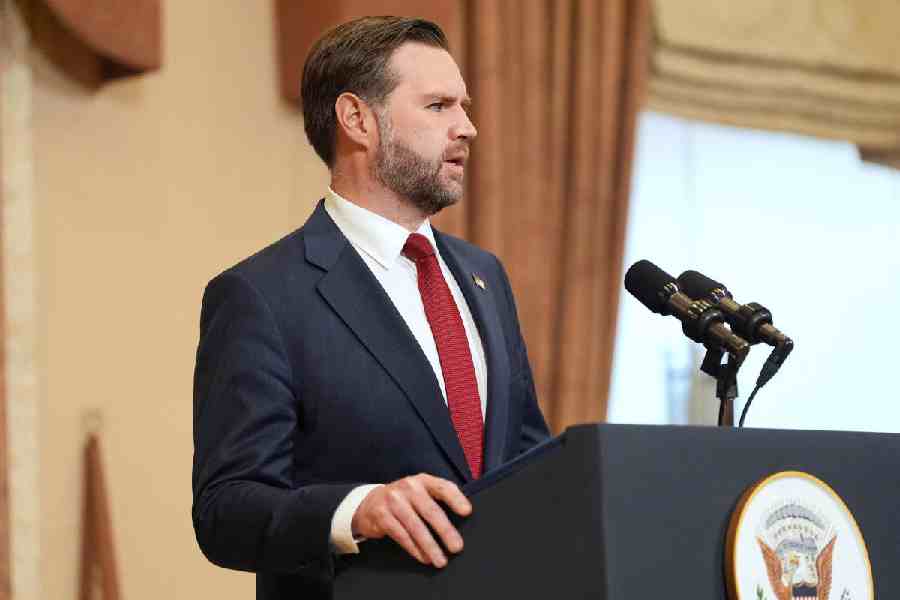
The Pakistan-brokered talks -- the first direct, high-level engagement between the two sides since the 1979 Islamic Revolution -- were watched globally amid increasing expectations of a breakthrough.
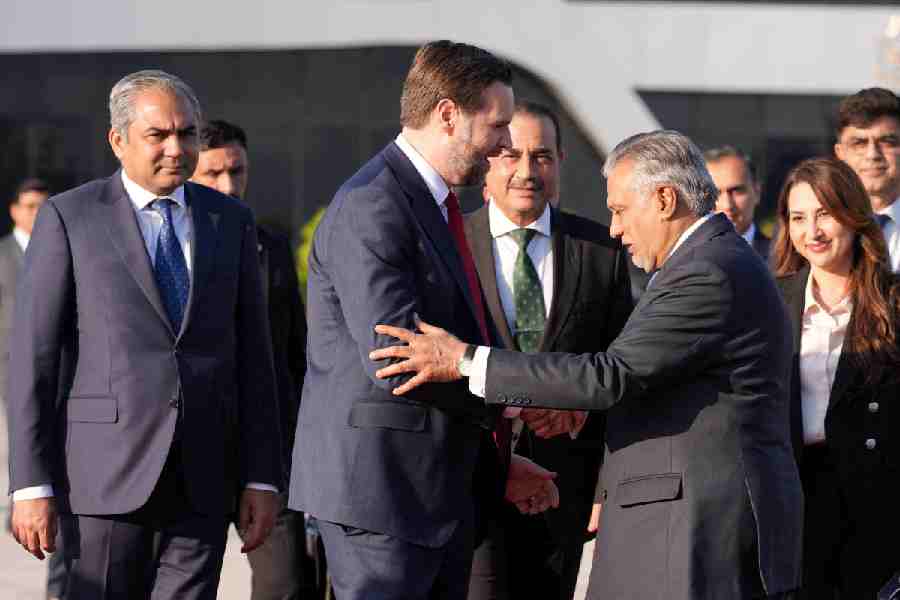
The Iranian delegation, led by Speaker Mohammad Baqir Galibaf, had arrived in Islamabad on Friday night, while the US delegation, headed by Vice President JD Vance, arrived on Saturday morning.
The US side also includes President Donald Trump’s son-in-law Jared Kushner and Middle East envoy Steve Witkoff, while Iran is also represented by Foreign Minister Abbas Araghchi and other senior leaders.
The two sides travelled to Islamabad on Saturday for the talks, four days after Iran and the US announced a two-week ceasefire.
The conflict began after the US and Israel launched attacks on Iran on February 28, paralysing global energy markets and disrupting trade.
Iran had laid out a 10-point plan for the talks that included demands for the withdrawal of US forces from West Asia, the lifting of sanctions against Iran, and allowing it to control the Strait of Hormuz.
The failure to arrive at an agreement following the face-to-face negotiations between the two sides raised doubts over the effectiveness of their fragile two-week ceasefire as well as the prospect of reopening the Strait of Hormuz to stabilise the global energy market.