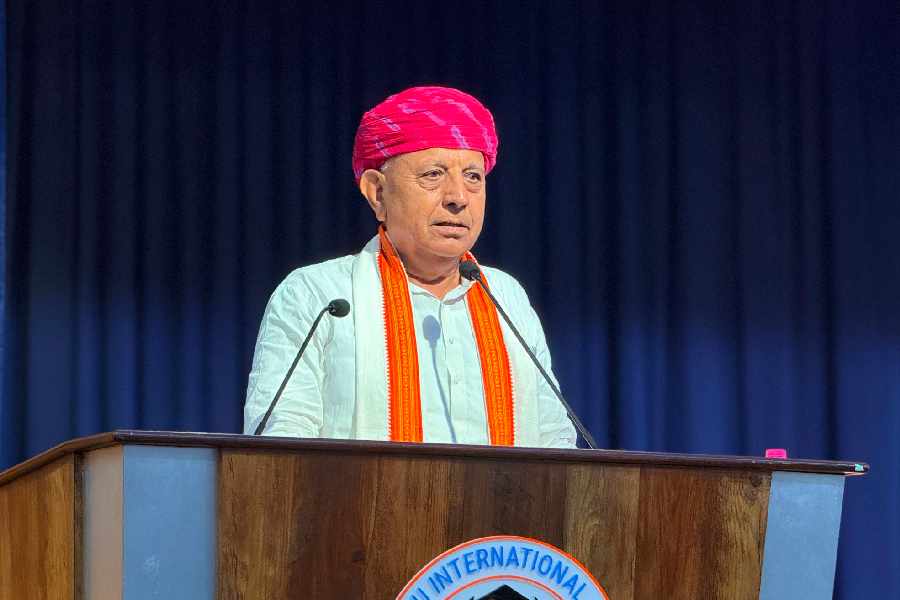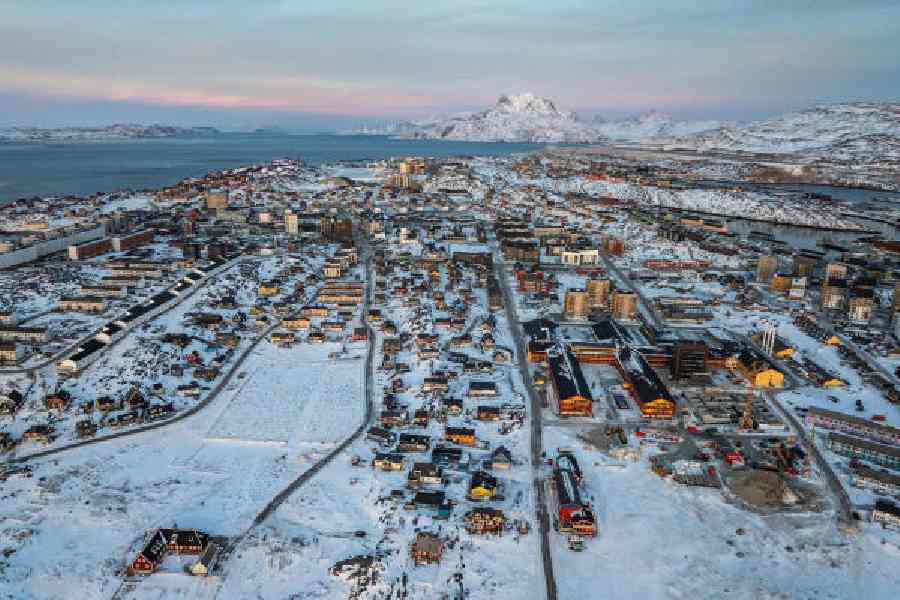
When President Donald Trump revived his desire to acquire Greenland for the US early in his second term, it initially came as a boon to Casper Frank Moller and his co-founders at Raw Arctic.
The three Greenlanders had begun their adventure tour company in mid-2024 and discovered that it benefitted from the global focus on their home territory: Curious travellers flocked to book tours. The demand was so great that the men had to buy additional boats and hire more workers to meet the demand for their fly-fishing trips and whale safaris.
This year, with Trump threatening to acquire the island, is different.
“Last year, there was a lot of talk, but it came with a positive side effect of putting Greenland on the map as a destination,” Moller said. Now, Greenland is associated with “the potential disturbance of the current world order”, he said. “We’re getting a lot of questions about whether it’s a safe travel destination.”
Tourism in Greenland, a semiautonomous territory of the Kingdom of Denmark, has been rising steadily for years. The increase is a result of several factors: Greenland’s efforts to diversify its economy, melting ice that has opened once-inaccessible ports to cruise ships and a fascination with the Arctic in popular culture. In 2025, 44 per cent of Greenland’s tourism businesses reported an increase in high-season bookings over the previous year, according to a recently published survey from the tourism board. The board concluded that, with some improvements in infrastructure, the 2026 season could be “significantly better” yet.
Those expectations are fuelled, in part, by major investments in Greenland’s connections to the rest of the world. Late in 2024, a new airport in Nuuk began allowing international flights. The following summer, United Airlines used it for the first direct flights from the US to Greenland since a short-lived effort from Air Greenland ended in 2008.
The Nuuk airport has attracted a wider range of visitors and increased revenues. “We used to have mainly Danish or Scandinavian tourists, and now they come from all over the world,” Avaaraq Olsen, the municipality’s mayor, said. “Even the really small businesses, like the artists who make small souvenirs by carving bones, they told me that they sell so much more now than they ever have before.”
Two new airports are scheduled to open this year: a domestic one in the southern town of Qaqortoq and an international one in Ilulissat, 563km north of Nuuk. Ilulissat is already considered Greenland’s most popular tourist destination thanks to the icebergs that dot its beautiful harbour, and a significant increase in visitors is expected once the airport opens. Some even predicted double the roughly 50,000 who came last year.
But that was before the American President made Greenland a geopolitical focus. Now, Greenlanders are wondering if the instability will curb tourism or if the attention will increase it.
“We have a lot of eyes on Greenland right now,” Christian Keldsen, director of the Greenland Business Association, said. Although there are no figures yet, Keldsen said he had heard from operators that fearful travellers were cancelling their trips.
But he added, “We’ve also had people say, ‘We want to go see Greenland before it becomes American.’”
So far, the greatest impact seems to be a reduction in reservations rather than cancellations. One Dutch travel agency, Aurora Reizen, reported a drop of between 20 and 30 per cent in bookings to the island. Arctic Yeti, a Spanish company that usually brings 200 adventure travellers a year, has also noticed a decrease.
Moller of Raw Arctic said he was seeing caution in some of his customers. “We’re on a bit of a tipping point where we feel some of our guests have become hesitant to move forward,” Moller said. “We haven’t had any cancellations, but people are definitely delaying booking.”
New York Times News Service