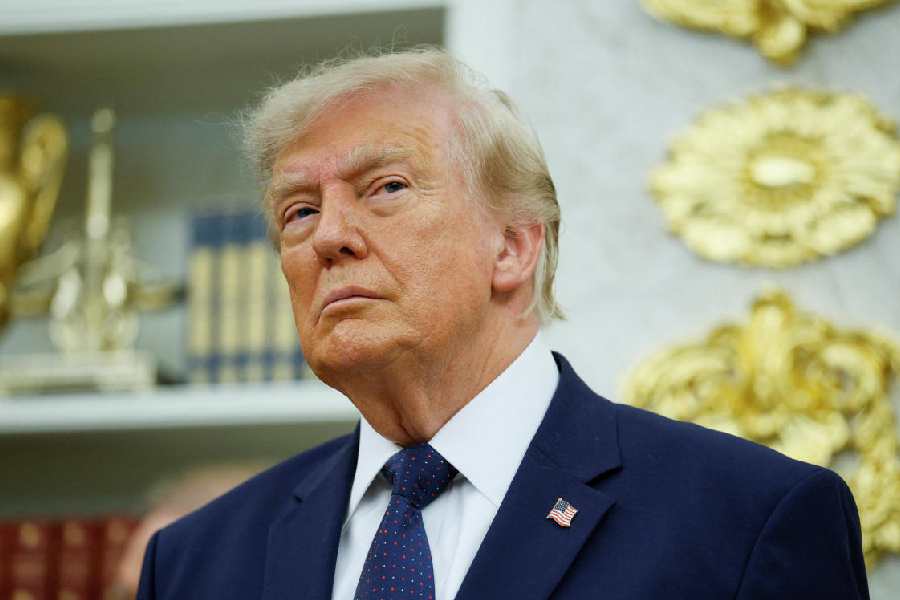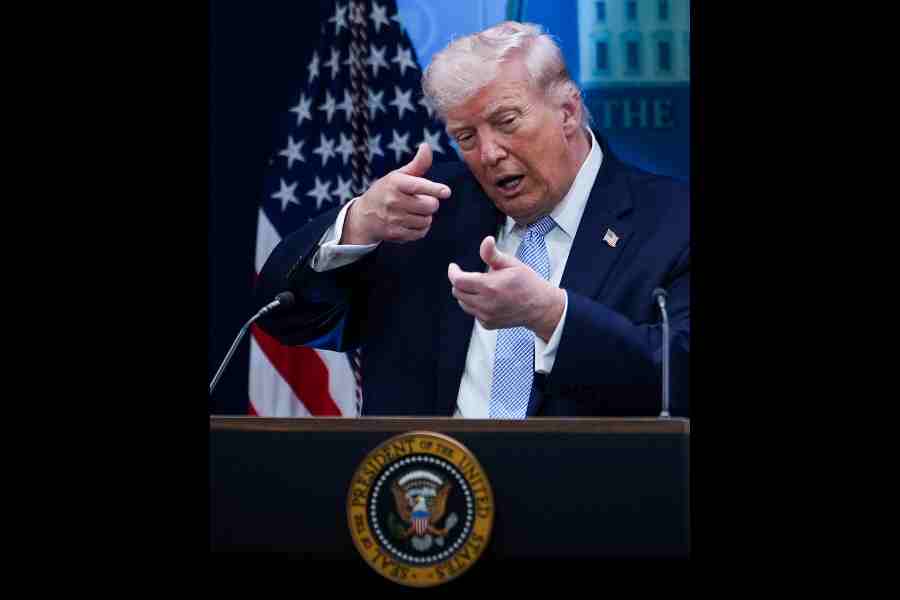
US President Donald Trump warned on Tuesday that a "whole civilization will die tonight" if Iran does not meet his latest deadline for Tehran to agree to a deal that includes reopening the crucial Strait of Hormuz.
Trump has extended previous deadlines but suggested the one set for 8pm in Washington (5.30am Wednesday in India) was final, and the rhetoric on both sides reached a fever pitch, leaving Iranians on edge.
“A whole civilization will die tonight, never to be brought back again. I don’t want that to happen, but it probably will,” Trump wrote in a Truth Social post.
“However, now that we have Complete and Total Regime Change, where different, smarter, and less radicalized minds prevail, maybe something revolutionarily wonderful can happen, WHO KNOWS? We will find out tonight, one of the most important moments in the long and complex history of the World. 47 years of extortion, corruption, and death, will finally end. God Bless the Great People of Iran!”
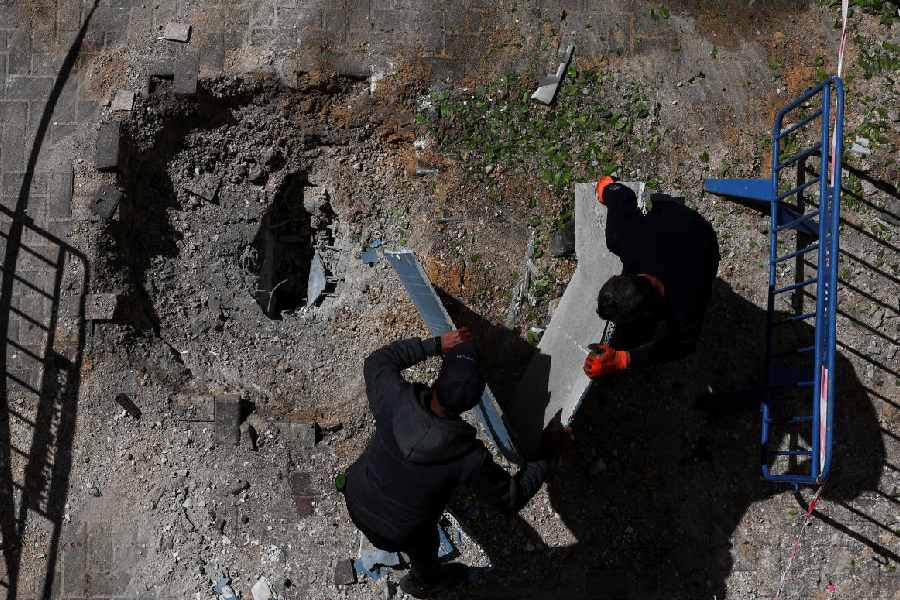
The warning came as airstrikes hit two bridges and a train station in Iran, and Iranian officials urged young people to form human chains to protect power plants.
Trump threatened to destroy all of Iran's power plants and bridges if Tehran does not allow traffic to fully resume in the strait, through which a fifth of the world's oil transits in peacetime.
Iran's President said 14 million people, including himself, have volunteered to fight.
It was not clear if the latest airstrikes were linked to Trump's threat to attack bridges. At least two of the targets were connected to Iran's rail network, which Israel earlier signalled it might attack.
Israel has increasingly carried out strikes that it says are aimed at delivering a blow to Iran's economy.
Iran, meanwhile, fired on Israel and Saudi Arabia, prompting the temporary closure of a major bridge.
While Iran cannot match the sophistication of US and Israeli weaponry or their dominance in the air, its chokehold on the strait is causing major damage to the world economy and raising the pressure on Trump both at home and abroad to find a way out of the standoff.
Officials involved in diplomatic efforts said talks were ongoing – but Iran has rejected the latest American proposal, and it was unclear if a deal would come in time to head off Trump's threatened attacks.
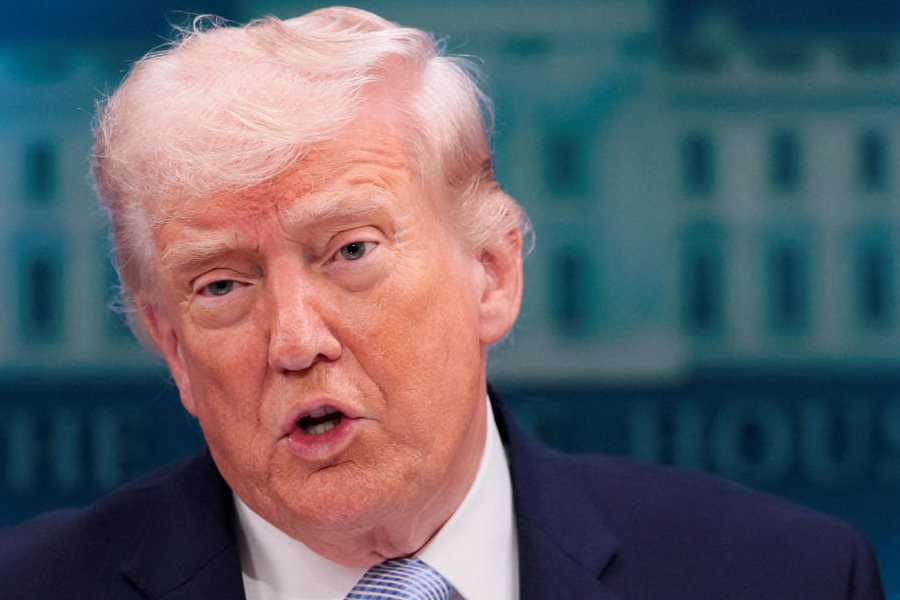
World leaders and experts warned that strikes as destructive as Trump threatened could constitute a war crime.
Earlier, Iranian official Alireza Rahimi issued a video message calling on "all young people, athletes, artists, students and university students and their professors" to form human chains around power plants.
Iranians have formed human chains in the past around nuclear sites at times of heightened tensions with the West.
This time though, it was unclear who would heed the call, and one major power plant in Tehran apparently had been closed off for security purposes at the time the demonstration was to start.
President Masoud Pezeshkian posted on X that 14 million Iranians had answered state media and text message campaigns urging people to volunteer to fight – and said he would join them – while a general from the paramilitary Revolutionary Guard urged parents to send their children to man checkpoints.
The Guard, meanwhile, warned that Iran would "deprive the US and its allies of the region's oil and gas for years" and expand its attacks across the Gulf region if Trump carries out his threat.
In Tehran, the mood was bleak. A young teacher said that many opponents of Iran's Islamic system had hoped Trump's attacks would quickly topple it.
Now, as the war drags on, she fears US and Israeli attacks will spread chaos. "If we don't have the internet, and if we don't have electricity, water, and gas, we're really going back to the Stone Age, as Trump said," she said told The Associated Press, speaking anonymously for her safety.
‘War crimes’ warning
French foreign minister Jean-Noel Barrot joined a growing chorus of international voices calling for restraint, saying attacks targeting civilian and energy infrastructure "are barred by the rules of war, international law."
"They would without doubt trigger a new phase of escalation, of reprisals, that would drag the region and the world economy into a vicious circle," the minister said on France Info television.
UN Secretary-General Antonio Guterres also warned the US that attacks on civilian infrastructure are banned under international law, according to his spokesperson.
Such cases are notoriously difficult to prosecute, and Trump told reporters he's "not at all" concerned about committing war crimes.
In spot trading Tuesday, Brent crude, the international standard, was above $108 per barrel, up around 50 per cent since the start of the war.