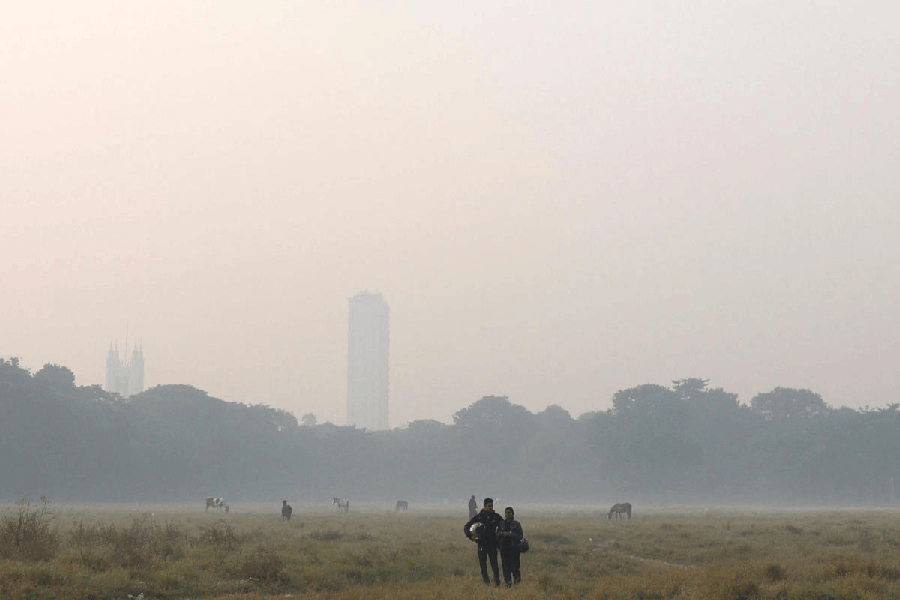
Calcutta High Court advocate Akash Sharma on Thursday called the West Bengal Pollution Control Board’s response to his representation on Kolkata’s air quality, an exercise in deflecting responsibility rather than addressing the reasons why air continues to remain unsafe.
“The WBPCB’s reply is a textbook example of regulatory deflection. Instead of answering why Kolkata’s and Howrah’s air remains unsafe year after year, the Board has circulated hyperlinks and passed the burden to other departments. Pollution control cannot be outsourced. When every authority is responsible, no authority is accountable,” Sharma said in his reaction to the Board’s reply.
He further said, “Clean air is not a policy choice or a future aspiration, it is a constitutional mandate. Research, awareness programmes, and advisories cannot substitute enforceable action, timelines, and accountability when citizens are literally gasping for breath.”
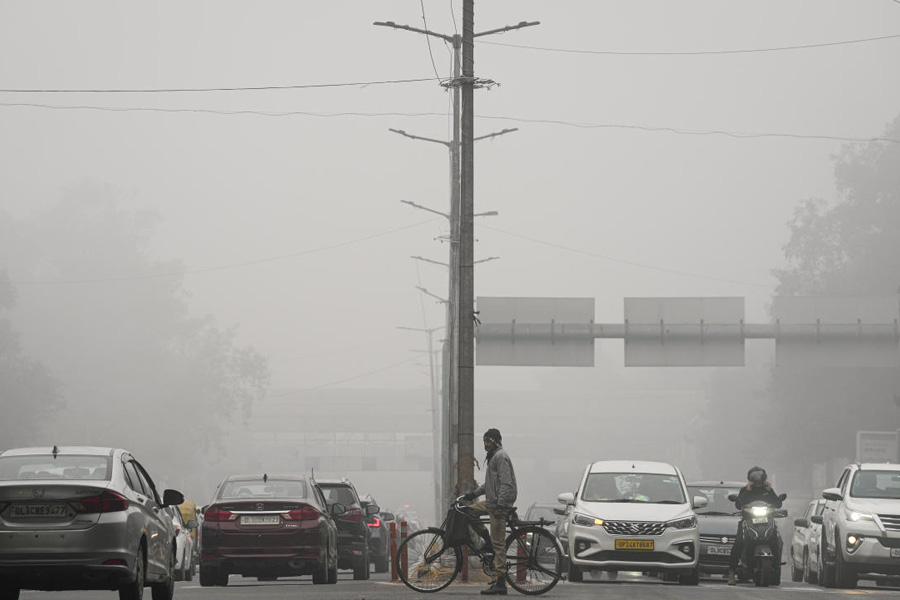
The comments came after the WBPCB sent a detailed reply outlining its position and ongoing measures in response to Sharma’s letter highlighting the persistent degradation of air quality in Kolkata and Howrah.
The Board said it was undergoing research and preliminary testing for implementing software based Graded Response Action Plan to take emergency actions depending on the severity of air quality levels.
The Board informed that source apportionment, emission inventory and carrying capacity studies had already been completed for six non attainment cities Kolkata, Howrah, Barrackpore, Haldia, Asansol and Durgapur, and that the reports were available on the WBPCB website.
It also referred to designated guidelines on air pollution control norms for construction activities issued by the Central Pollution Control Board, the applicable building rules under the urban development and municipal affairs department, and precautionary guidelines issued by the Kolkata Municipal Corporation.
On vehicular emissions, the WBPCB said information related to BS III petrol and BS IV diesel vehicles was available with the transport authority and the police departments.
It added that information related to diesel generator sets was with the Power Department and the Central Pollution Control Board. Routine industrial inspections, it said, were carried out by the CPCB and state pollution control boards, and both agencies were working on the issue.
The Board also referred to existing provisions prohibiting open waste burning through a government notification.
It said information related to the vehicle scrappage policy and the introduction of fiscal incentives for public transport, e mobility and non motorised transport was available with the transport department.
The WBPCB stated that it was conducting awareness programmes for students in schools and colleges under Mission LIFE to build consciousness around sustainable personal practices.
For days with higher AQI levels, it said it was in the process of implementing GRAP through collaborative work with other stakeholders to ensure urgent measures for improving air quality in the state.
It added that other public health related information could be accessed from the state health and family welfare department.
In his representation to the Board, Sharma had cited reports showing that Kolkata’s air quality during festive and post Diwali periods remained in the poor to very poor categories, accompanied by a rise in respiratory illnesses.
He had argued that pollution levels in major Indian cities continued to exceed national standards and were far above global benchmarks, and that weak enforcement and fragmented oversight had reduced pollution control to advisories and awareness campaigns rather than enforceable regulation.