Stakeholders of the north Bengal tourism industry have urged the Centre to include the region in the proposed promotion of Buddhist tourism circuits announced by Union finance minister Nirmala Sitharaman in the Union budget on February 1.
The initiative, they said, would remain incomplete without north Bengal, given the region’s rich Buddhist heritage and the presence of numerous monasteries.
Raj Basu, the convener of the Association for Conservation & Tourism (ACT), said he had formally appealed to the Union tourism minister to include north Bengal in the plan.
“Considering the significant presence of Buddhist monasteries and their cultural and historical importance, north Bengal must be included in the proposed Buddhist circuit announced in the budget,” Basu said on Wednesday.
On Sunday, while reading out her budget speech, Sitharaman said: “The north-eastern region is a civilisational confluence of Theravada and Mahayana/Vajrayana traditions. I propose to launch a scheme for the development of Buddhist circuits in Arunachal Pradesh, Sikkim, Assam, Manipur, Mizoram, and Tripura. The scheme will cover preservation of temples and monasteries, pilgrimage interpretation centres, connectivity, and pilgrim amenities.”
While welcoming the initiative, Basu pointed out that many monasteries in north Bengal are more than a century old and hold immense religious and historical value.
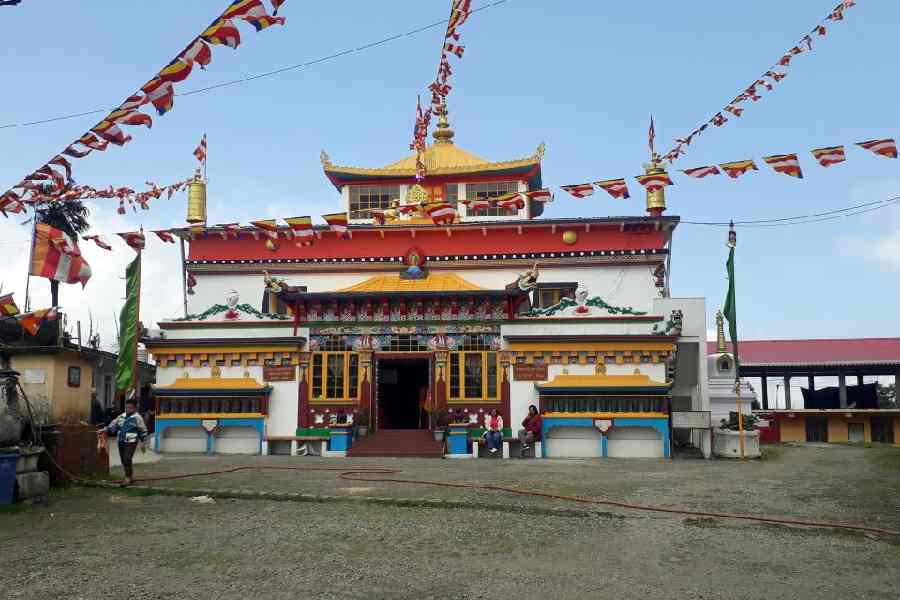
“A monastery at Kalchini in Alipurduar district is over 100 years old. Similarly, the monastery at Lava in Kalimpong district has close historical links with Bhutan. Most monasteries in Darjeeling are directly connected with Tibetan and Sikkimese Buddhist traditions,” he said.
After the presentation of the Union budget, Basu has sent emails to the Union tourism minister and the International Buddhist Confederation, the largest religious confederation of Buddhists headquartered in Delhi, outlining the region’s relevance to Buddhist tourism.
A veteran in the tourism sector, Basu said ACT had earlier taken the initiative to document the existing Buddhist monasteries and pilgrimage sites across north Bengal. “In 2017, we prepared a detailed map, highlighting the location and current status of monasteries in the region,” he said.
According to Basu, the majority of monasteries are located in Darjeeling, Kalimpong, Alipurduar, and in the Dooars of Jalpaiguri district.
“Devotees visit these monasteries throughout the year and observe rituals with deep devotion. This continuous flow of pilgrims underscores the importance of the region in Buddhist religious tourism,” Basu, who is also the chairman of the eco-tourism development committee of the Bengal government, said.
He said a significant section of the population in those districts follows Buddhism. “Keeping all these aspects in mind, I have requested the central minister to include north Bengal in the proposed Buddhist tourism circuit,” he said.