 |
 |
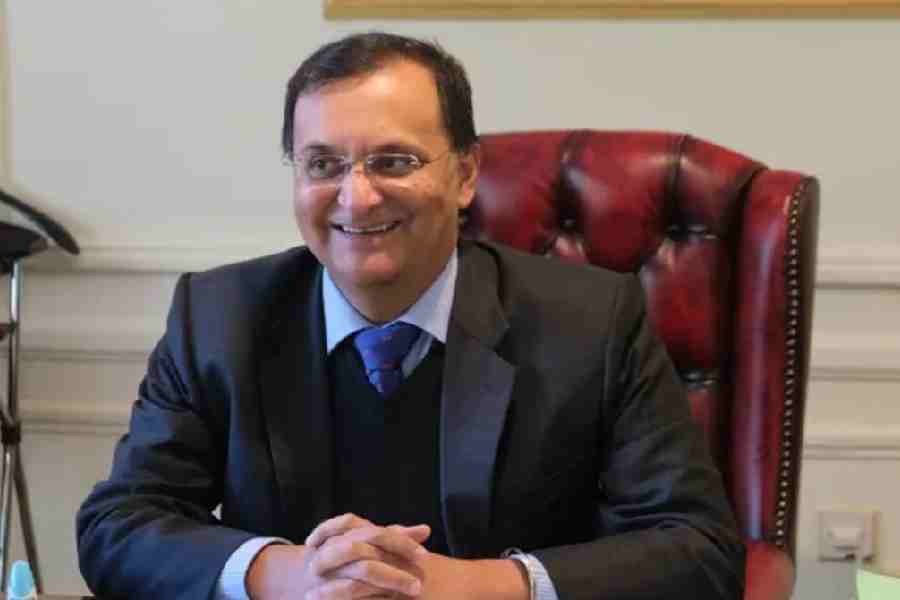
| (From top) Master chefs at the Biryani Jugalbandi at Zaranj; a display of kebabs at the restaurant. Pictures by Rashbehari Das |
Succulent chunks of meat, the tangy taste of the saffron-and-white rice, the aroma of a melange of spices intoxicating the senses? Some of the reasons that make biryani a universal favourite. This Mughlai delicacy is right up there on everyone’s list of mouth-watering meals.
And Calcuttans don’t seem to get enough of it, from traditional restaurants dishing out the speciality to the para hole-in-wall eateries cooking up their own concoctions. But Calcutta tastebuds have so far been mostly exposed to the typical Chicken Biryani, Mutton Biryani and Vegetable Pulao. Experiments have been few and far between.
Zaranj, the Northwest Frontier cuisine speciality restaurant at 26, JL Nehru Road, is having a Biryani Jugalbandi till August 14. Three master chefs have been brought from three cities that swear by their biryanis and kebabs. They will be presenting their specialities for Calcutta foodies.
“Biryani is something everyone has an opinion on. Some like it with potatoes, while others prefer it with small koftis. We decided to present a variety from different gharanas and leave it to the people to decide which is best. The three ustads are the best in their fields,” says Deepak Khullar of Zaranj. The pocket pinch: Rs 390 (all-inclusive).
Maqbool Khan has been a feature in the kitchens of the rich and famous in Hyderabad for the past 35 years. A wealth of experience has also made him protective about his formulae. “Do not ask me how I make my biryani,” says the Hyderabadi. He has brought with him the recipes for spicy Hyderabadi Gosht Biryani and sweet dishes from the land of the Nizams.
“The origin of biryani was in Lucknow. It is only the Hyderabadi version that has its own distinct taste and flavour,” says Khan.
“I prefer making my biryani with lamb meat because the juice adds to the taste. I use a lot of khoya in my preparation.”
The tradition of using potatoes in biryani started in Hyderabad. So count on small aloos, as soft and tender as the mutton. “I apply the required masala and boil the potatoes. Then add it to the biryani when it is cooked,” is all Khan will divulge. For the vegetarians, the recipe remains the same, sans the meat.
Crossing over to the Hindi heartland, Lucknow is famous for two things ? its royalty and food. The nawabi culture is evident in the cuisine, especially biryani. And Sheikh Hasibur Rahman has come all the way from the capital of UP to give Calcutta a taste of his Kachche Gosht ki Biryani and Lassoon ki Biryani.
Kachche Gosht ki Biryani is made of raw meat. “The meat is not saut?ed before it is mixed with the rice. It is marinated in yoghurt, tomato and onion paste and spices. Then it is mixed with rice and put on the dum. It is kept like that for sometime till it is cooked,” says Rahman. The boiling water inside ensures the even distribution of the spices and the paste.
Though the chef disagrees with the concept of vegetarian biryani, he will be dishing out Lassoon ki Biryani. “Why should vegetarians be deprived of the heavenly food? Though there cannot be biryani without red meat, for our vegetarian patrons we will provide a few options,” says Rahman.
The interests of Daulat Hussain, the third member of the trio, lie far from the white-and-saffron rice and big chunks of meat. Instead, he specialises in succulent Tunda Kebabs, which melt in your mouth before you can dig your teeth into them.
Tunda Kebab derives its name from the shape, or rather the lack of it. “The marination is the key to the tender quality. Raw papaya is the main marinating agent. Even the chulha used to make these kebabs are round like a tandoor. Just take the minced meat in your palm and put it on the fire. This makes it shapeless,” he adds.
Rizala is his other speciality. “It must have been discovered in the kitchen of a nawab, because the number and quantity of dry fruits used are many. Milk lends the white colour to the gravy,” says Hussain.
To pamper the sweet tooth, there’s Zafrani Kheer and Seviyan Muzaffar. Wah Ustad!