Children whose parents or guardians are not on the post-SIR electoral rolls are showing signs of anxiety, said the head of an NGO that works with children of daily wage earners.
Some are asking questions they cannot answer themselves, said Mohuna Dutt, CEO of the Calcutta Social Project.
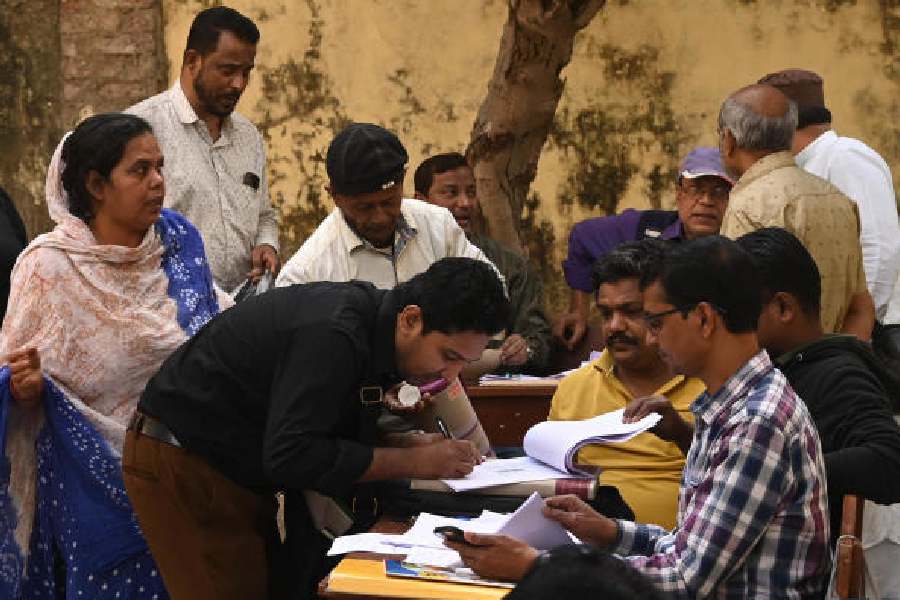
“The children are between 11 and 17, and while they don’t fully understand what is happening, they can sense the anxiety of their parents. They have seen their parents attend
hearings, and now their names stand deleted...
The distress of the parents
is impacting the children, too,” she said.
Dutt cited examples of children approaching the NGO with questions about what would happen if their parents were struck off the voter rolls. “Will my mother have to leave? Then what will happen to me?” one child asked.
Dutt said most of the families they work with are daily wage labourers living in the slums. “In the absence of any clarity, they are helplessly waiting and looking to us for support, but under the circumstances, there is nothing that we can do,” she said.
The anxiety extends beyond children. A 60-year-old woman working in the Calcutta Social Project’s kitchen for the past 35 years found her name “under adjudication”.
The dates for the Bengal election were announced on Sunday, yet there is still no clarity on when the supplementary voters list will be published, leaving many families uncertain about their future.
Ananya Chakraborti, adviser to the West Bengal Commission for Protection of Child Rights (WBCPCR), said children in every family
with deleted or under-adjudication names are in terrible anxiety.
“The children will be anxious because they don’t know where they stand. The moment you are disenfranchised, you start losing every benefit you are entitled to,” she said.
With elections around
the corner, the problem is immediate and real for many families.
“They are apprehensive that they might lose their homes or they would have to migrate,” Chakraborti said.
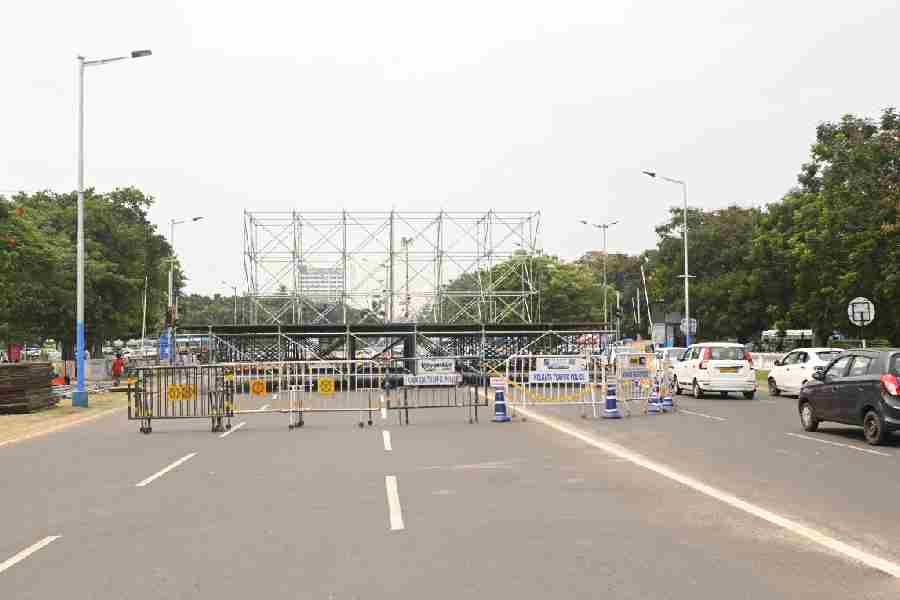
Park Circus Maidan is hosting a citizens’ movement where voters are protesting possible post-SIR disenfranchisement.
The movement has
also set up a memory wall, where people can share stories, anecdotes and photographs that connect them to their past, underlining that identity goes beyond documents.