Tourism stakeholders from Darjeeling called for long-term planning to ensure sustainable tourism, suggesting the formation of a Darjeeling Tourism Board, decentralisation of administrative offices and the development of new tourist attractions.
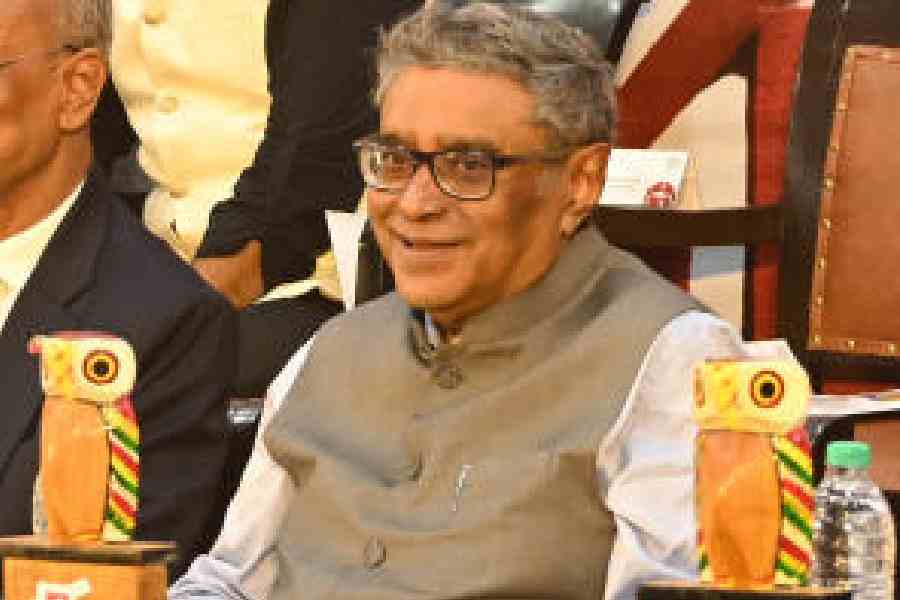
The proposals emerged during the fourth Professor Dipankar Basu Memorial Lecture on "Responsible Tourism: Over-tourism in Darjeeling – Boon or Bane? What is the Way Forward?", organised by the Rotary Club of Darjeeling at the Gymkhana Club on Monday.
Tourism expert Raj Basu delivered the keynote address, while the panel discussion featured hotelier Reggie Lama, transport sector representative Pradip Lama, environmentalist Sailesh Kumar Sharma and other stakeholders.
Basu stressed that Darjeeling's tourism planning must move beyond short-term concerns.
"Every decision we take today should ensure that the hills remain economically vibrant, environmentally sustainable and liveable for future generations."
One of his key proposals was shifting government administrative offices from Darjeeling to Mungpoo, around 35km away.
"Mungpoo is centrally located and has the space to accommodate administrative infrastructure. A substantial portion of the daily traffic entering Darjeeling is linked to official work. If government offices are relocated, thousands of vehicle trips can be avoided, significantly reducing congestion in the town (Darjeeling)."
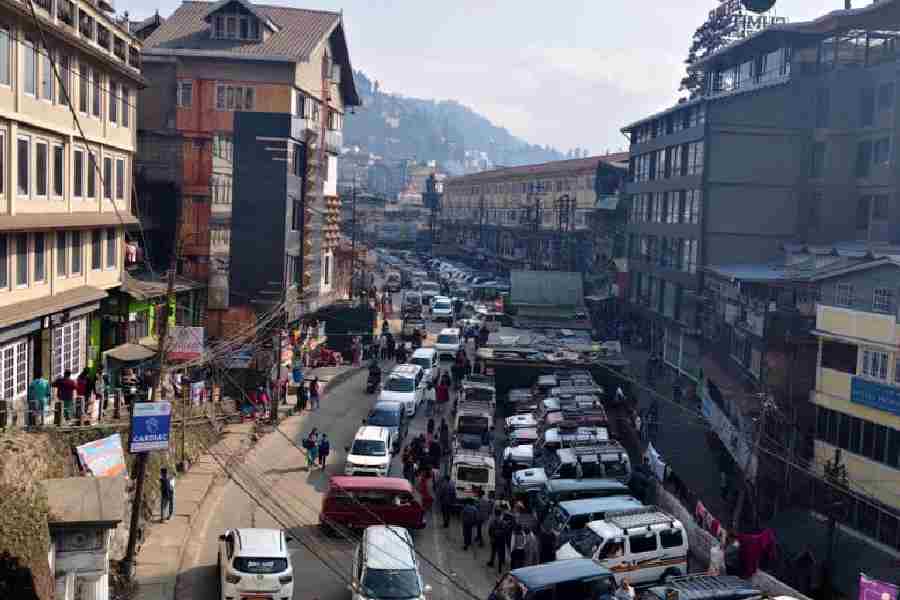
Officials maintain that more than 5,000 vehicles enter Darjeeling per day during tourist seasons.
Massive traffic jams are a common feature during those times. Most felt that this issue needs to be addressed before the next peak season — Durga Puja — instead of a knee jerk reaction then.
Basu said the extensive land available in the cinchona plantations around Mungpoo provided an opportunity for developing a planned administrative hub.
The cinchona plantations spread across Darjeeling and headquartered in Mungpoo are struggling with an annual loss of around ₹60 crore. The plantation is spread over an area of 26,000 acres across Darjeeling and Kalimpong hills.
Even Subash Ghisingh, who helmed the Darjeeling Gorkha Hill Council from 1988 to 2008, had plans to shift the administrative hub out of Darjeeling hills.
"Mungpoo is suitable not just because of land availability and connectivity but also because of its climate," said Basu.
Basu also proposed the formation of a Darjeeling Tourism Board, saying tourism policy should largely be shaped by local stakeholders.
"Around 60 to 70 per cent of the Tourism Board should comprise local stakeholders, industry representatives and community organisations because they understand the region's challenges and opportunities far better than anyone else," he said.
Pradip Lama, the general secretary of Darjeeling Association of Travel Agents (DATA), said that such a tourism board had been formed by the previous government but was never pursued seriously.
Traffic management dominated much of the discussion, with participants noting that around 5,000 to 5,500 vehicles enter Darjeeling every day, placing enormous pressure on the hill town's narrow roads.
Stakeholders said one of the biggest bottlenecks was Ghoom, where roads from Siliguri, Kalimpong, Gangtok, Takdah and Mungpoo converge before entering Darjeeling.
Several speakers supported the construction of alternative approach roads, including the proposed Lebong-Third Mile and Lebong-Teesta links, arguing that these routes would allow vehicles to enter the town from different directions instead of funnelling through Ghoom.
Basu also advocated gradually transforming Darjeeling into a low-carbon destination. "Our vision should be to make Darjeeling as traffic-free as possible by promoting battery-operated and electric vehicles in certain sections of the town. If we can create a clean, low-carbon hill town, that itself will become one of Darjeeling's biggest tourist attractions."
Environmentalist Sailesh Kumar Sharma said sustainable tourism could not succeed without responsible waste management. "Waste management cannot remain confined to hotels and the municipal limits of Darjeeling. Villages and rural tourism destinations must also develop effective systems because tourism impacts the entire landscape."
The discussion concluded that while tourism remains the backbone of the hill economy, future growth would require long-term planning, decentralised administration, improved transport infrastructure, greater participation of local stakeholders and stronger environmental safeguards.
Many stakeholders also stressed that the government must maintain popular tourist points many of which are in a deplorable state.
"It is important to create new tourist points instead of government looking at building lodges. Accomodations can be done by private investors," said a stakeholder.