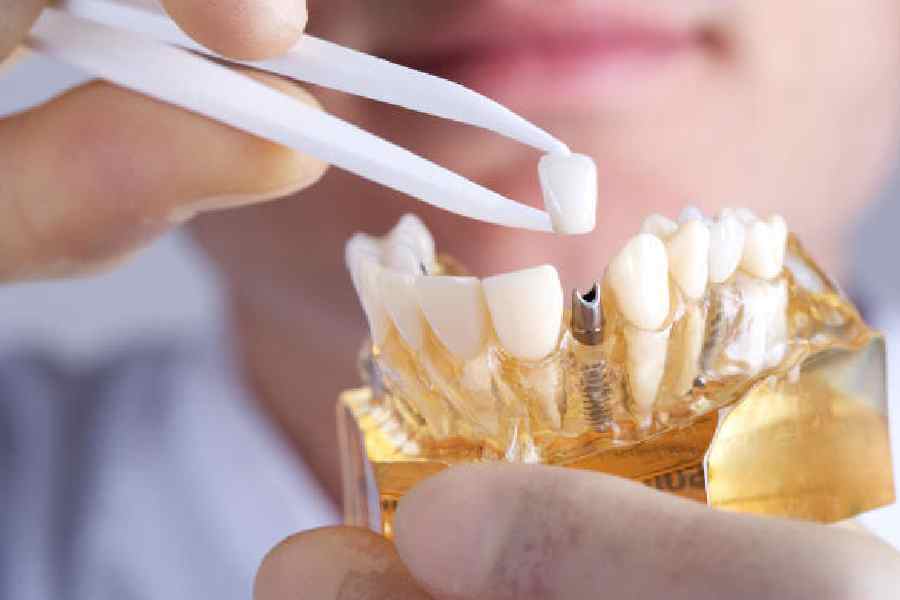
Dental implants are one of the most advanced and reliable ways to replace missing teeth. When a tooth falls out or needs to be removed, it’s important not only to fix the smile but also to maintain the health of your mouth and jaw. Dental implants work differently than traditional dentures or bridges. Instead of simply sitting on your gums or relying on nearby teeth for support, implants are small titanium posts surgically placed into your jawbone, where they act like natural tooth roots. Over time, the bone grows around these posts in a process called osseointegration, making them very secure and stable.
This stability means dental implants can support crowns, bridges, or even full sets of teeth, giving you a natural look and feel. Implants help with chewing, speaking, and maintaining the shape of your face because they stop bone loss that usually happens when teeth are missing. Because of their strength and longevity, implants are often called the “gold standard” of tooth replacement.
But having dental implants is not a “set it and forget it” situation. They require proper care and regular dental visits to make sure they last for many years. With the right attention and healthy habits, implants can provide a confident, beautiful smile for life.
Longevity of Dental Implants - The Facts
Dental implants have been called the “third set of teeth” and for good reason—they can last much longer than crowns, bridges, or dentures if cared for properly. Studies show that about 95.5 per cent of dental implants are successful after the first year of placement. After 20 years, many implants still survive with success rates ranging from around 85 per cent to 92 per cent. If well maintained, they are expected to last a lifetime in most situations.
But it’s important to understand that the longevity of a dental implant is not just about the implant staying in place. It’s about how well it helps you in everyday life by:
- Allowing you to chew and eat your favourite foods comfortably;
- Helping you speak clearly without any difficulty;
- Maintaining a natural and attractive appearance that matches your other teeth;
- Staying stable, healthy, and free of pain or infection over time
The success of dental implants depends on many factors, including the skill of your dental team, your overall health, and how well you take care of your teeth and gums.
What Affects How Long Implants Last?
Five key factors significantly influence how long your dental implants will last:
- The expertise and experience of your dental implant specialist.
- The complexity of your dental condition and the implant placement site.
- Your personal health and immune system status.
- How well you maintain your oral hygiene every day.
- Keeping up with regular dental visits for monitoring and cleaning.
Dental implant care often involves a team, including oral surgeons, prosthodontists, and periodontists, working together to ensure your treatment suits your unique needs. Sometimes, additional procedures like bone grafts or sinus lifts are required to support the implant, and your dentist will discuss these with you in advance.
How to Help Your Implants Last Longer —The Dos
Dental implants are built to be durable, but they require thoughtful care. Here are some tips to help your implants last as long as possible:
- Brush your teeth gently twice a day using a soft toothbrush. Electric toothbrushes with small heads can also help reach tricky spots.
- If you have sensitive gums or tend to snack often, use mouthwashes or gels recommended by your dentist to keep bacteria under control and reduce inflammation.
- Clean between your teeth and implants daily. Since implant crowns usually have wider spaces touching each other than natural teeth, food can easily get trapped. Use floss, interdental brushes, or a water flosser to keep these spaces clean and prevent plaque buildup.
- Visit your dental clinic every six months for professional checkups and cleaning to catch any issues early.
- Get yearly medical checkups to monitor key health indicators like blood sugar, calcium, and vitamin D levels, as these nutrients play essential roles in keeping your gums and bones healthy.
What Can Harm Your Implants—The Don’ts
It’s just as important to know what can harm your dental implants so you can avoid these risks:
- Don’t use your implants to bite down on very hard foods such as sugarcane, ice, nuts, or bottle caps. Implants don’t handle twisting or heavy side forces well and these actions can damage them.
- Avoid sticky foods like chewing gum, toffees, or very chewy dried fruits which can pull on the crowns and loosen them.
- Smoking is extremely harmful to your gums and bone health and drastically reduces the lifespan of implants. Quitting smoking can improve implant success.
- If you have the habit of grinding or clenching your teeth at night (called bruxism), wearing a custom-fitted nightguard is essential to protect your implants from excessive forces that may cause damage
Additional Tips for Long-Term Implant Success
Besides everyday hygiene, here are a few more things that can help implants last:
- Maintain a balanced diet rich in vitamins and minerals, especially calcium and vitamin D, as these help your jawbone stay strong and support the implants.
- Stay hydrated and avoid sugary drinks that can contribute to gum disease.
- Inform your dentist immediately if you notice any pain, swelling, or loosening around your implants to allow early intervention.
- Manage chronic health conditions such as diabetes and osteoporosis actively since they can influence implant healing and longevity.
Game Changers for elderly with missing teeth
Dental implants truly are a life-changing option for those with missing teeth. They restore not just your smile but your ability to enjoy food, talk clearly, and keep your mouth healthy. Taking care of your implants involves a partnership between you and your dental team — your daily habits combined with professional care make all the difference.
By following simple oral hygiene steps, visiting your dentist regularly, and adopting healthy lifestyle choices, you can make sure that your dental implants stay strong and beautiful for decades. This investment in your oral health is an investment in your overall well-being and confidence.
Picture: istock
Dr Kamlesh Kothari, MDS, DNB, DICOI, is a dental implant specialist, cosmetic dentist and maxillofacial surgeon, Kolkata. He is the founder and clinical director of Aesthetica, 2/7 Sarat Bose Road,Vasundhara Building. He can be contacted at 9830183000, 40035900, www.aesthetica.co.in and on Instagram @drkamleshkothari. Dr Kothari’s column in The Telegraph ‘Tooth Troubles’ addresses queries on dental and maxillofacial surgery. You can send your questions to drkamleshkothari@gmail.com