India may be eons away from playing a Fifa World Cup or producing the next Cristiano Ronaldo but football has a funny way of handing out consolation prizes.
For reasons nobody at East Bengal could have imagined, the century-old Kolkata club finds itself rubbing disciplinary shoulders with the likes of Cristiano Ronaldo, Garrincha, Ronaldinho and, most recently, US striker Folarin Balogun.
East Bengal now has entered one of football's most exclusive clubs — controversial red-card jurisprudence.
Two-and-a-half months ago, East Bengal midfielder Miguel Ferreira received a three-match suspension and a Rs 40,000 fine after being sent off against Bengaluru FC. The AIFF, India’s football governing body affiliated to Fifa, later reduced the ban to two matches but refused to erase the red card.
Unlike Balogun’s case, no Donald Trump was involved. East Bengal claimed Ferreira had reacted to an alleged racial remark from a Bengaluru FC assistant coach; the club decided to appeal again.
This week, Fifa decided to remind everyone that football's disciplinary rulebook can be as unpredictable as the sport itself.
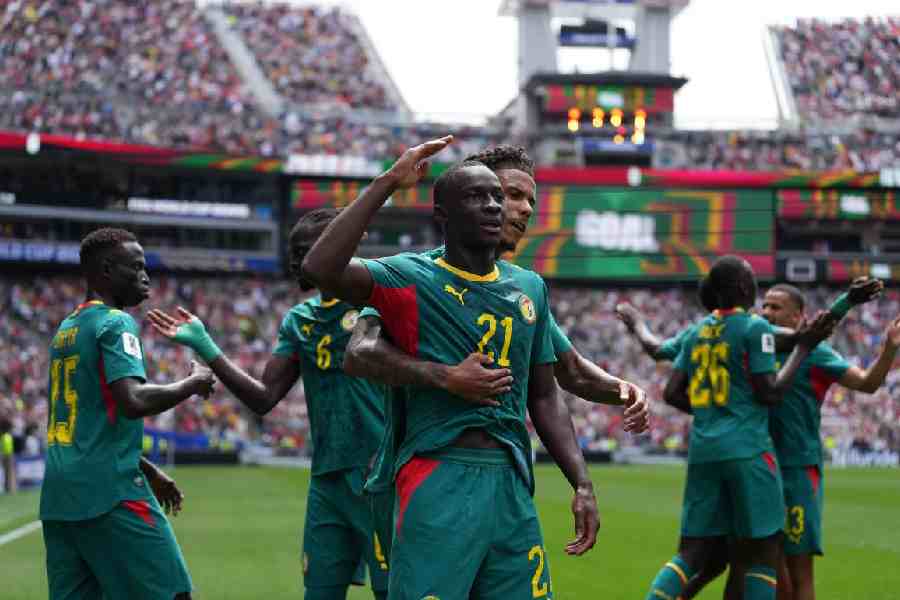
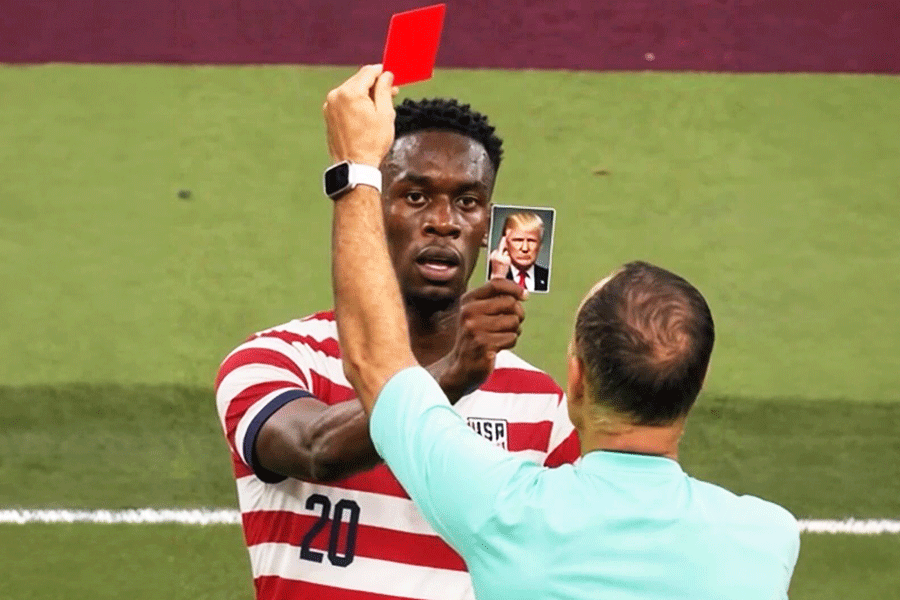
Balogun, who has scored three goals for the US in this World Cup, was sent off against Bosnia and Herzegovina. By rule, he should have missed Monday's round-of-16 clash with Belgium.
Instead, after US President Trump reached out to Fifa president Gianni Infantino to review the case, Fifa invoked Article 27 of its disciplinary code, suspended the implementation of Balogun's ban and placed him on a one-year probation.
When BBC Sports asked Fifa for comments they were pointed to the precedent of Ronaldo.
Portugal’s Ronaldo received a three-match suspension after a red card against Ireland in a World Cup qualifier in 2025. He served only the first match before Fifa parked the remaining two under Article 27, clearing the way for his farewell World Cup by invoking Article 27.
Before Ronaldo, there was Brazil’s Manuel Francisco dos Santos, better known as Garrincha; and there was political intervention there too.
Sent off in Brazil's 1962 semi-final against Chile, Garrincha looked certain to miss the final. Then Brazil appealed, the Presidents of Chile and Brazil got involved, Fifa changed its mind, Garrincha played, and Brazil won the World Cup despite Pele not playing the final.
Another Brazilian star, Ronaldinho also found that World Cup red cards could come with flexible consequences. After his dismissal against England in 2002, he served only one match instead of three, returned for the final and collected another winner's medal.
Which brings us back to East Bengal.
The AIFF is not Fifa. Ferreira is not Garrincha. And nobody is suggesting the club belongs in the same league. But one of its oldest clubs has stumbled into one of global football's controversial conversations at the moment.