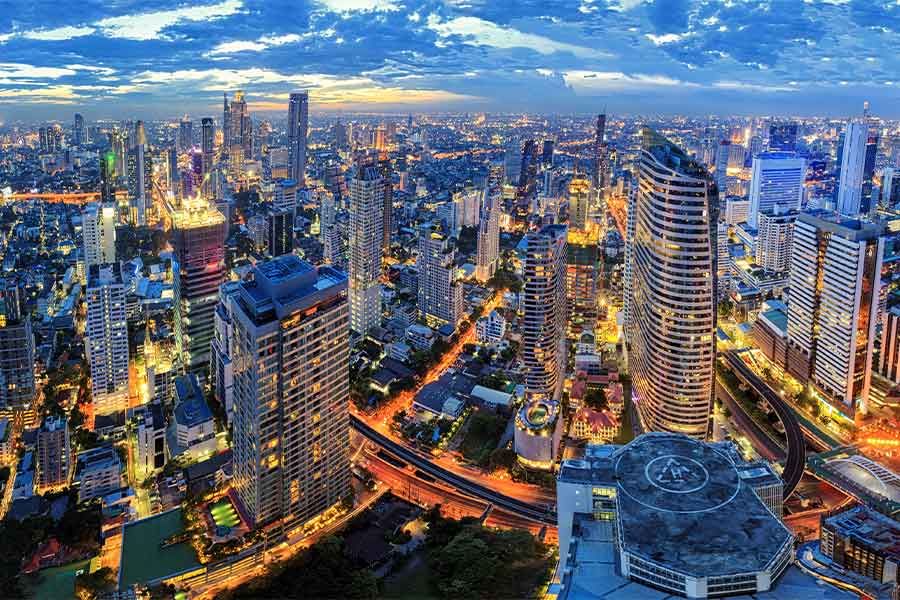
Rarely in the history of electoral democracies does a party rise from getting 13% of the national vote in one election to forming the government after the subsequent election. That is where Thailand appears to be headed after the dramatically successful performance of the pro-monarchy Bhumjaithai Party, which has won more than 190 seats in a house of 500 members in this election. The party, which won 71 seats in the last election in 2023, gained from a combination of systemic curbs against its biggest challenger, a reformist, youth-led movement, and from a surge in nationalist sentiment following border clashes in 2025 between Thailand and Cambodia. The reformist People’s Party, which won 118 seats in the election, is the successor of the Move Forward Party, which was the single-largest party after the 2023 election but was blocked from forming the government by allies of the military and monarchy in the upper House of Parliament. It was eventually forced to disband and reemerge under a new name, constantly under pressure from entrenched monarchist interests because of its belief that the royal family — historically untouchable in Thailand — should also be open to scrutiny. The Pheu Thai party of the Shinawatra family, which has given Thailand four prime ministers, came third in the recent election.
Within Thailand, the win of the Bhumjaithai Party could give its leader, Anutin Charnvirakul, the country’s prime minister since September, the clearest mandate that any political force has had in years. While that could bring stability, it will not by itself heal the wounds that led to this moment. A significant section of the Thai population feels aggrieved over the way the reformists have been treated. Relations with Cambodia — which were also a trigger for the collapse of the Pheu Thai party government that enabled Mr Charnvirakul to come to power — remain tense. Internationally, Bhumjaithai’s win strengthens the monarchy politically at a time when it is deepening relations with China: the king and queen visited the communist nation recently for the first time. India will need to watch the incoming Thai government’s foreign policies carefully. There is no reason to expect Thailand to be even remotely antagonistic towards India. At the same time, a deepening tilt towards China would concern New Delhi. Yet, India’s diplomatic corps is adept at dealing with Thailand’s many political forces: monarchist and military, reformist and family-led. India can navigate this shift in Bangkok too.