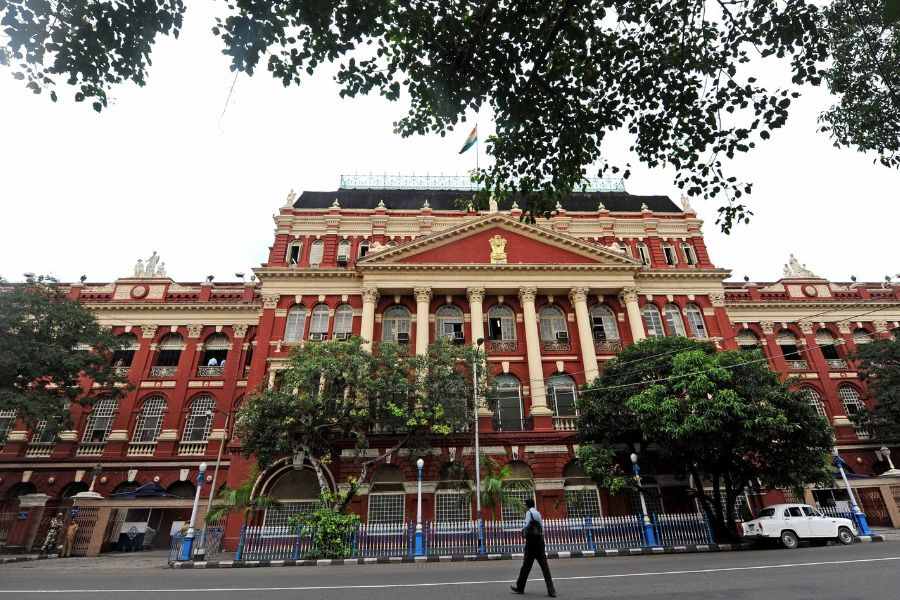
The Writers’ Buildings are gearing up to return to the centre of Bengal’s administration and the spotlight is once again on Calcutta’s most historic landmarks.
Over 240 years old, the Writers’ Buildings served as the secretariat for successive Bengal governments until Mamata Banerjee shifted operations to Nabanna in October 2013. Now, the new BJP government is shifting back to Mahakaran, as the Writers’ Buildings are known.
Beyond its political significance, the cluster of red buildings at BBD Bagh has a rich architectural history.
From being an accommodation for East India Company clerks to the transformation into a grand Victorian-era administrative complex adorned with classical sculptures, mansard roofs and ornate detailing, Writers’ Buildings reflect the changing architectural and political aspirations of colonial Calcutta.
My Kolkata decodes it with architect and conservation expert Manish Chakraborty.
Not always a grand building
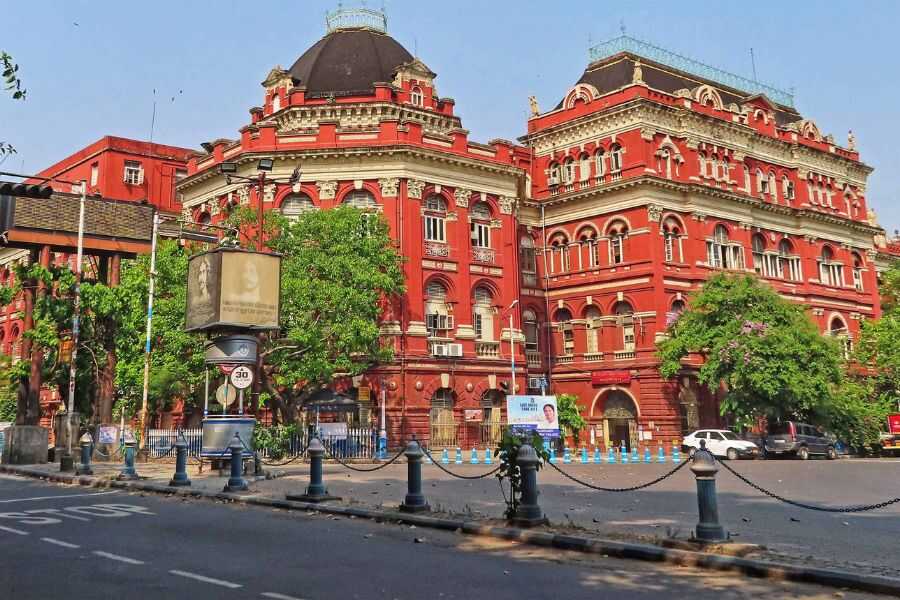
The building initially resembled a simple barrack-like structure before undergoing several phases of expansion and redesign
Originally constructed in the late 18th century, the Writers’ Buildings accommodated East India Company’s junior clerks, known as “writers”. According to Chakraborty, the earliest version of the buildings was simpler in appearance.
“It was earlier kind of like a barrack with a couple of blocks, and then the intermediate portions were filled up. The structure later became home to Fort William College, established to train East India Company officials in Indian languages and culture,” he said.
Over time, the buildings expanded and evolved, mirroring the growing ambitions of the British Empire in India.
Victorian ideas, Calcutta facade
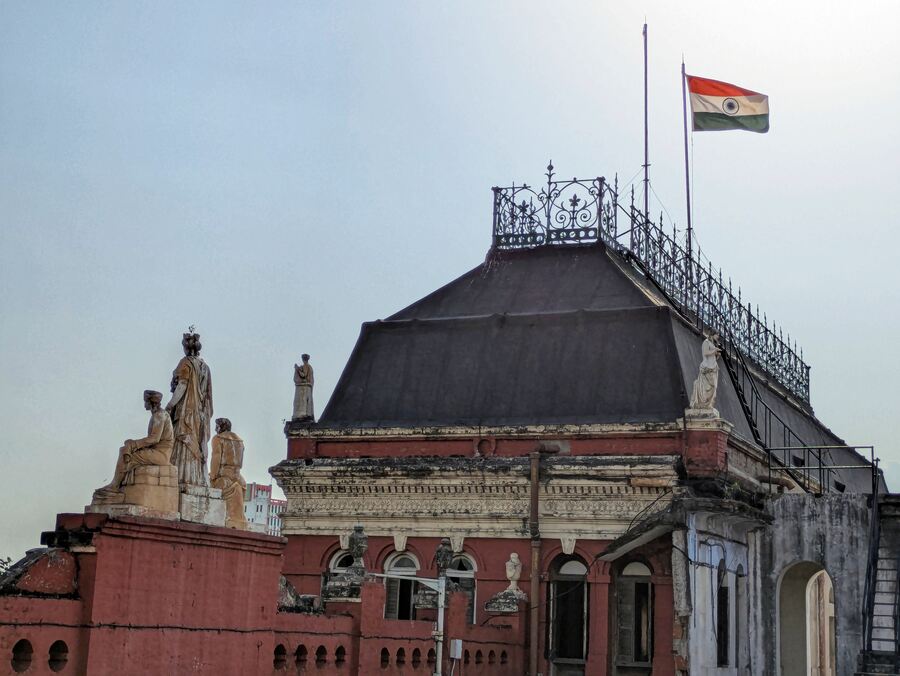
It later housed Fort William College, which trained British officials in Indian languages and culture
The transformation that gave Writers’ Buildings their present appearance came after British rule was firmly established after the Battle of Plassey in 1757.
“With the arrival of the English post-Battle of Plassey, they chose and improved upon the façade to make it look much more Victorian,” Chakraborty explained.
The renovation reflected architectural trends popular in Victorian England. The structure became a visual expression of the values the British wished to project through governance, rather than serving only as an office building
“Victorian architecture is not brutal architecture. It is an orderly architecture. It represents certain civic values of that society at that point in time,” Chakraborty said.
Justice, science and agriculture on the roof
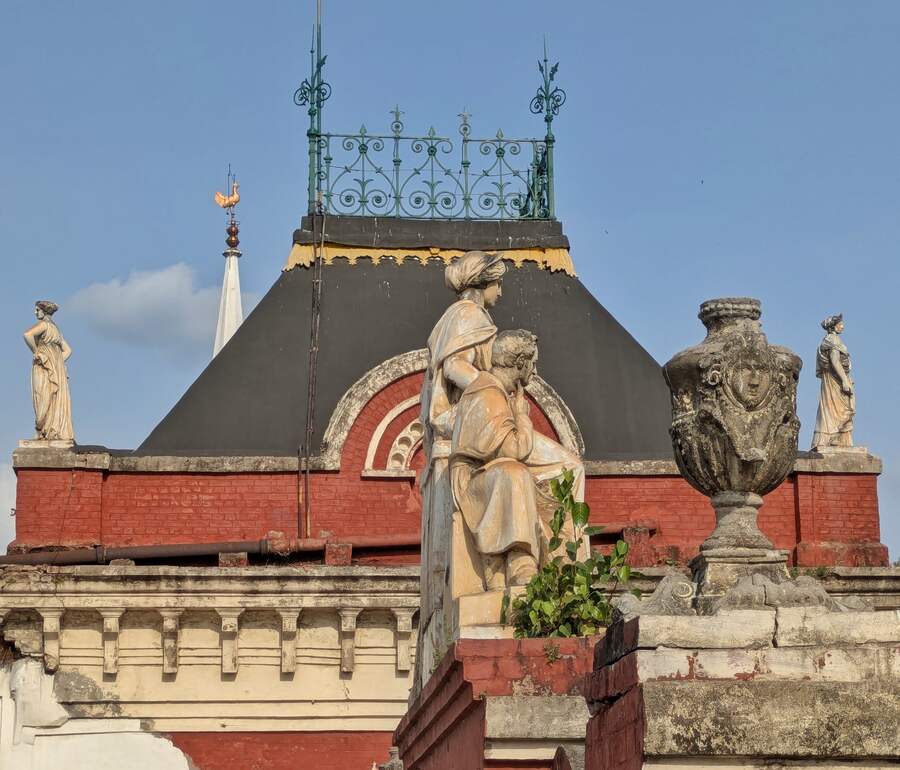
Its architecture reflects Victorian ideals of order, governance and civic values through design elements and symbolic sculptures
One of the buildings’ most striking features is the collection of sculptures that adorn the roof. These figures were installed during the Victorian remodelling and were intended to symbolise ideals that the British administration associated with progress and governance.
“These sculptures represent law and justice, agriculture, science and other values that the Victorians promoted through their governance,” Chakraborty said.
The statues were carefully chosen to communicate authority, knowledge and order.
A roof that tells a colonial story
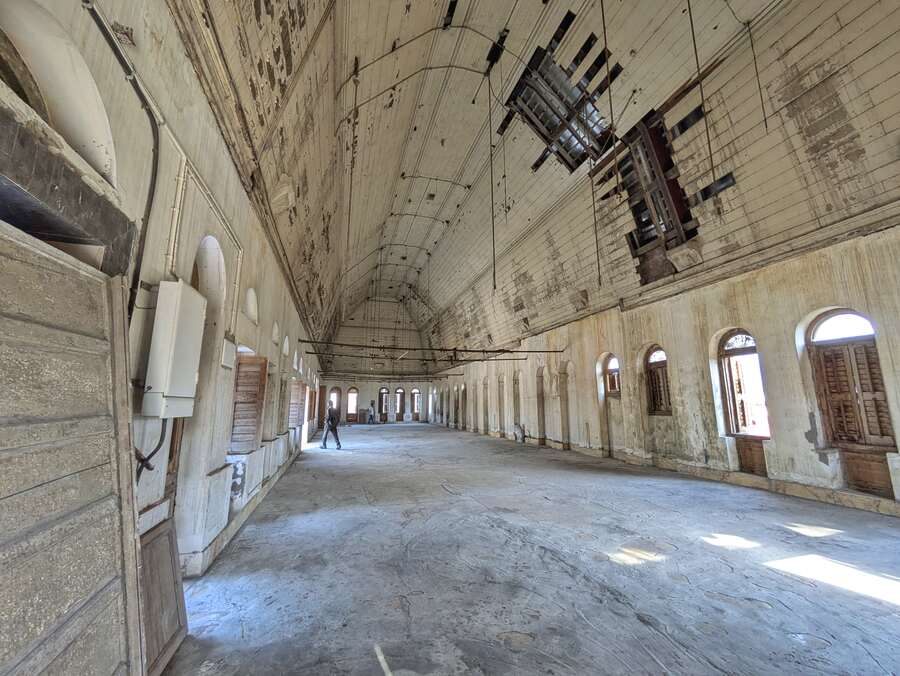
One of the building’s most distinctive architectural features is its mansard roof, a hallmark of Victorian public architecture
Another distinct feature of Mahakaran is the mansard roof, a design used commonly in prestigious European public buildings.
“The central space of the building coincides with the Victorian school of architecture. The mansard roof is a fascinating, very deep, very angular roof,” Chakraborty said.
Originally, the roof was covered in slate but over the decades, repairs and alterations have been necessary to protect the structure from weather-related damage.
The facade also has pilasters, architectural elements that resemble columns but are attached to walls, creating the illusion of a more monumental structure.
The hidden beauty underfoot
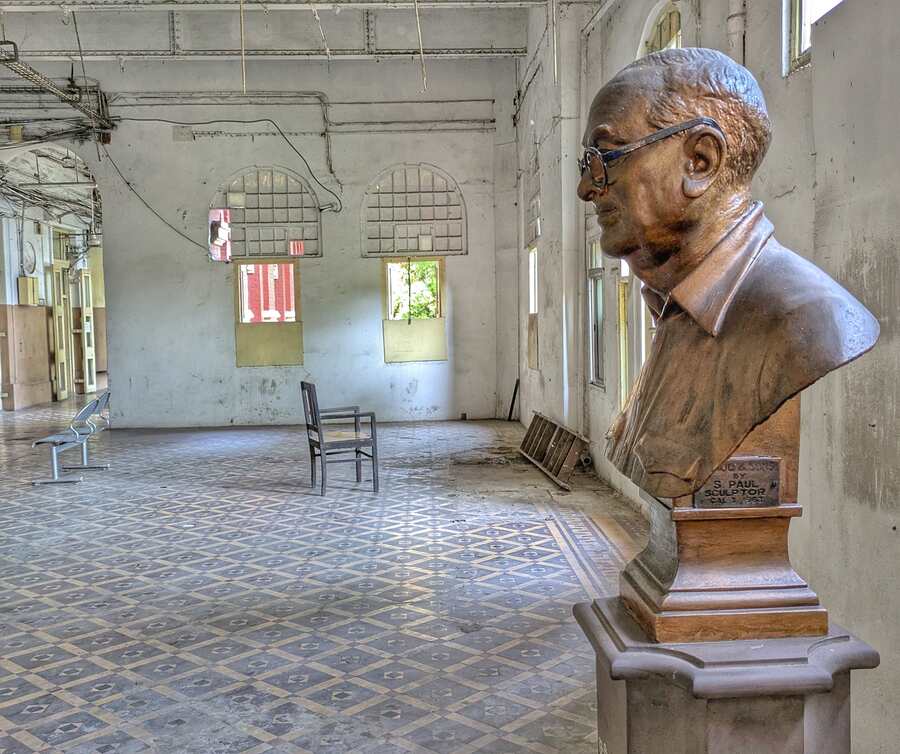
The interiors once featured elaborate Minton tiles imported from England, showcasing the craftsmanship and prestige associated with colonial public buildings
While the exterior attracts attention, the interiors once showcased remarkable craftsmanship.
“I remember the floor where the chief minister used to sit was a beautiful inlay of Minton tiles,” Chakraborty recalled.
Manufactured in England, Minton tiles were exported across the British Empire and were regarded as symbols of quality and prestige.
More than just red paint
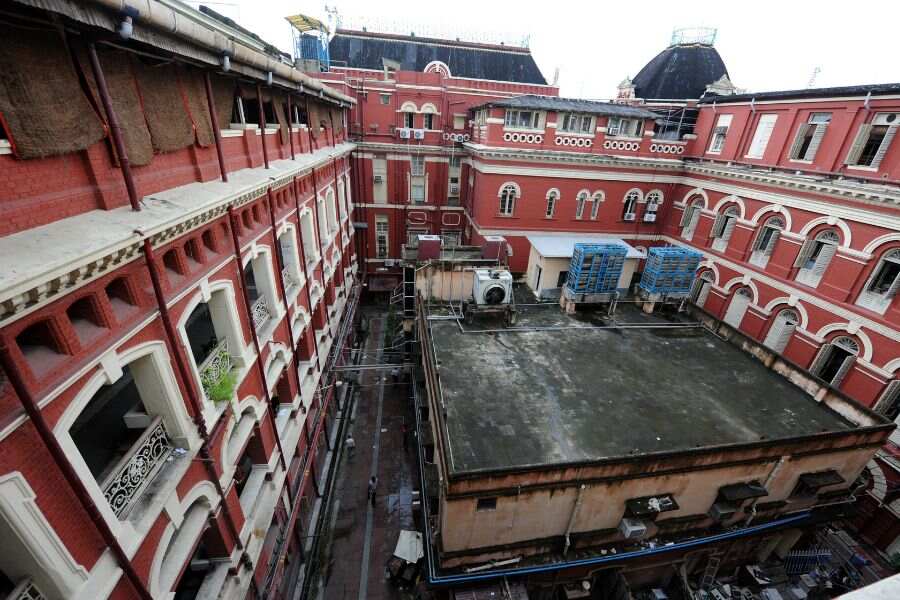
The landmark’s iconic red appearance comes from its exposed brick construction, a common feature in several colonial-era structures in Kolkata
The buildings’ famous red facade has become one of Calcutta’s most recognisable images. However, the colour was not chosen merely for aesthetics. “It was always an exposed brick building,” Chakraborty said.
Many colonial-era buildings in the city, including Bow Barracks, followed a similar architectural approach. The exposed brickwork contributed to the structure’s distinctive appearance while reflecting practical construction methods of the time.
The axis that connected power and governance
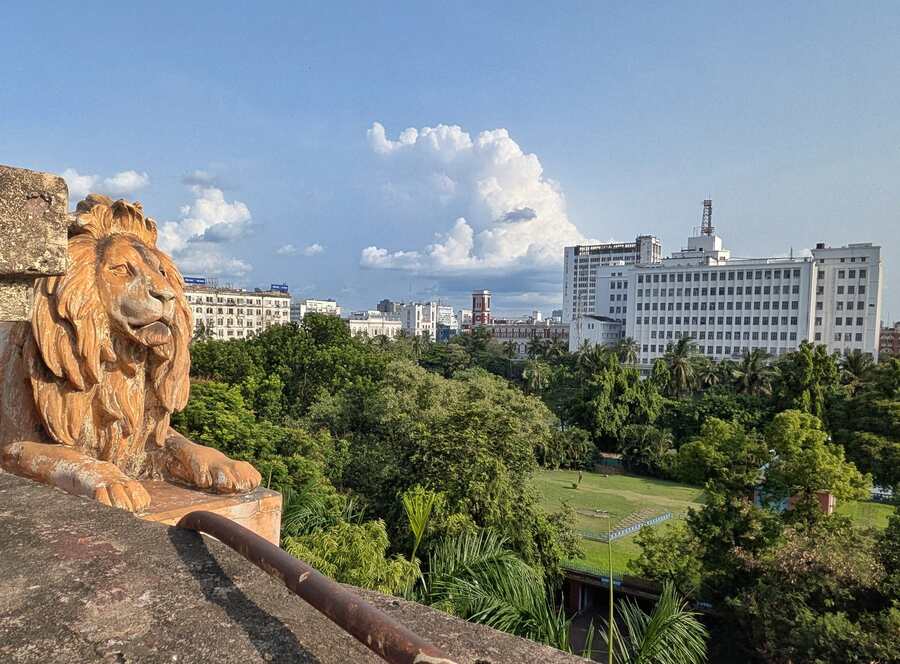
Writers’ Building was strategically positioned within the colonial administrative district of B.B.D. Bagh and aligned with Raj Bhavan as part of a carefully planned urban layout
Mahakaran’s location formed part of a carefully planned colonial administrative district centred around what was then Dalhousie Square. “The middle portion of Writers’ Buildings is aligned with the centre of Raj Bhavan,” Chakraborty said.
This alignment reflected European principles of axial planning, where important government buildings were visually connected through geometric relationships and sightlines.
“Along with Raj Bhavan, the GPO and other colonial institutions, Writers’ Buildings formed part of a carefully orchestrated urban landscape,” the architect explained.
Preserving a landmark for future generations
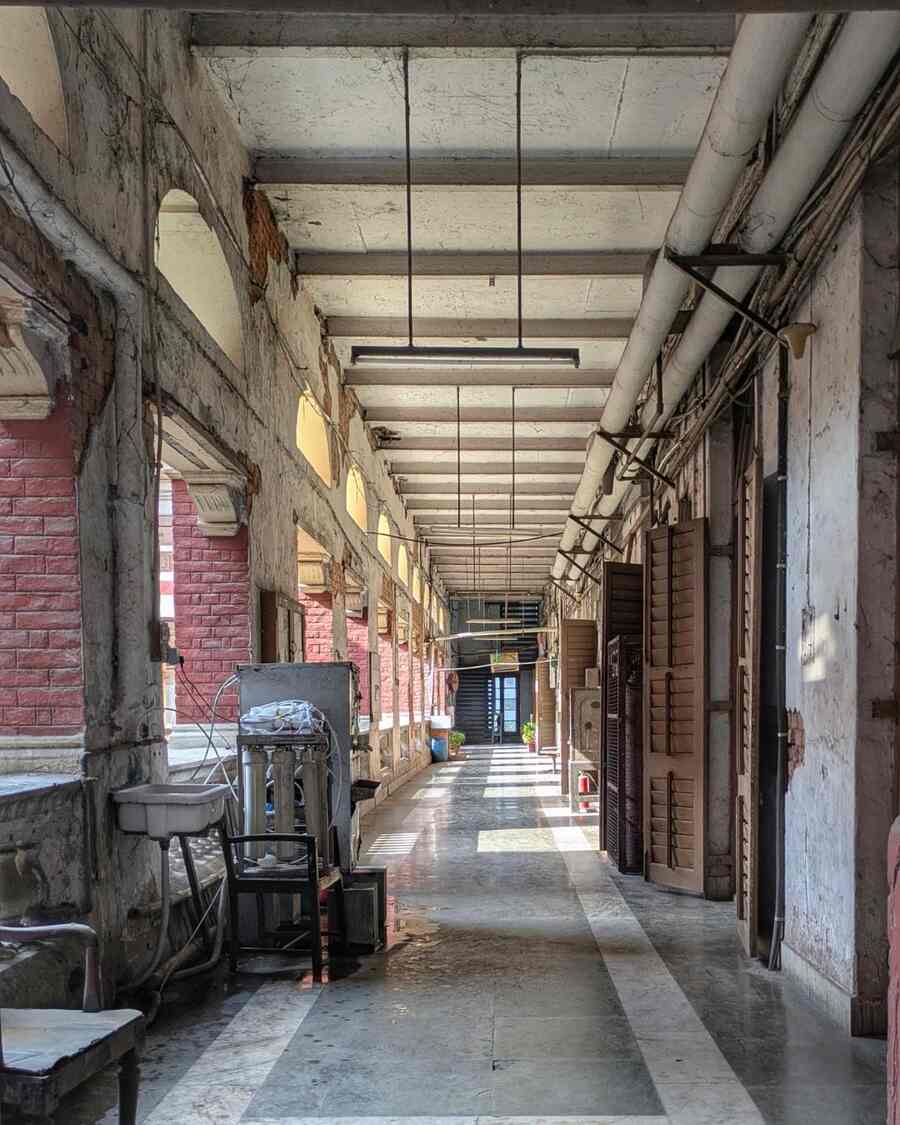
Today, Mahakaran stands not only as a symbol of governance but also as one of Kolkata’s most significant examples of colonial and Victorian architecture
As restoration work continues, Chakraborty believes preserving the buildings’ authenticity should remain the main priority.
“The restoration needed to be a very timely, well-researched, well-documented and well-thought-out exercise,” he said.
He stressed that conservation should protect and strengthen what already exists. “The authenticity and character of the building must be preserved,” he added.