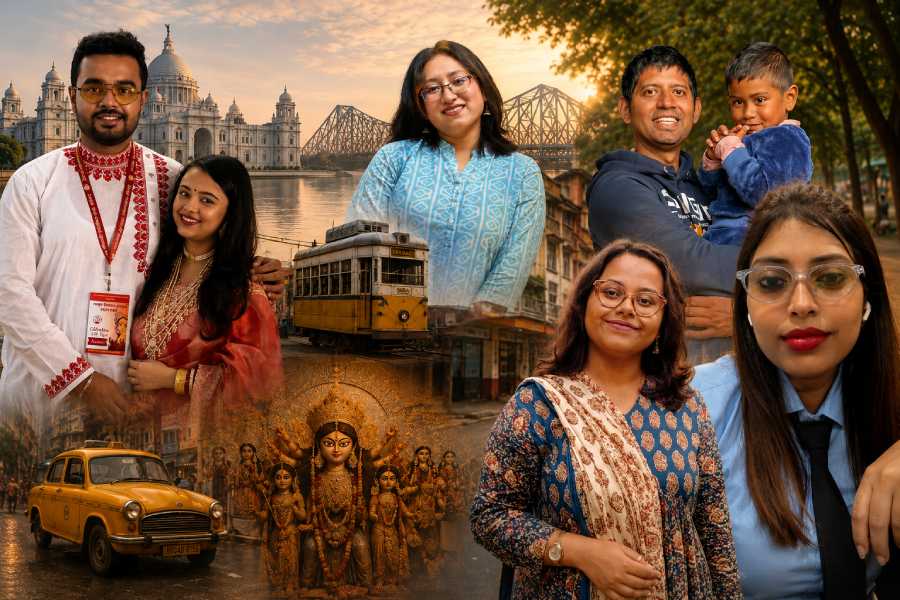
Kolkata is not just a city; it is an emotion. That sentiment resonates with several Bengalis living away from home as they reflect on the city that shaped them.
From the aroma of bhnarer cha to memories of squeezing onto crowded buses during the daily commute, non-resident Bengalis (NRBs) say they miss every little detail of Kolkata. For many, every homecoming feels like a reunion with a younger version of themselves.
Permanent address: Delhi NCR. Emotional PIN code: Kolkata

All pictures: Sourced by the correspondent
Years ago, when I moved to Delhi NCR for my career, I believed I was only changing cities. I did not realise that I was also learning a new kind of longing.
My family and I settled in the new city, learned new routes, new routines, and even started saying ‘we’ll leave early’ without irony.
But being a non-resident Bengali comes with side effects.
There are moments when Kolkata arrives unexpectedly. In the smell of rain, in a song playing softly somewhere, in the craving for a familiar evening that no place seems to recreate.
Every conversation somehow begins with, ‘Back in Kolkata…’ and ends with a debate on why no one here makes rolls, mishti, or adda quite the same way. I confidently survive academic reviews and patent deadlines, but one glimpse of Durga Puja photos from home and suddenly I become emotionally unavailable for the rest of the day.
Despite living away for years, I still measure winter by Kolkata standards, compare every food item unfairly, and secretly believe that all roads eventually should lead to a para tea stall.
People often say home is where you live. But perhaps for a non-resident Bengali, home is also the city that still lives inside you.
So, I am professionally upgraded. Geographically relocated. Yet emotionally , permanently based in the City of Joy.
— Dr Paramita Das Ukil, Assistant Professor ,IIMT Engineering College
The taste of home

More than a decade after moving to Mumbai my wife, Priya, and I still carry Kolkata with us in countless little ways. The sound of tram bells, endless evening addas, and the comforting chaos of its streets remain etched in our memories.
What we miss most are the city's simple pleasures — biting into a hot aloor chop on a rainy afternoon or sipping steaming tea from a matir bhnar. These everyday experiences are uniquely Kolkata and impossible to replicate elsewhere.
Food, of course, is at the heart of our nostalgia. No matter where we travel or live, we find ourselves comparing every meal to Kolkata's culinary treasures. From telebhaja, kathi rolls and phuchka to kosha mangsho and biryani with its iconic potato, the city's flavours are inseparable from its identity.
And then come the sweets. A soft rosogolla, creamy mishti doi or delicate sandesh can instantly transport us back to childhood, family gatherings, Durga Puja celebrations and carefree afternoons.
For NRBs like us, Kolkata is a collection of tastes, sounds and memories that continue to define what "home" means, no matter how far away we live.”
— Sauhom Mukhopadhyay, 31, FinTech Consulting Manager
A haven for homesick souls and thinking minds
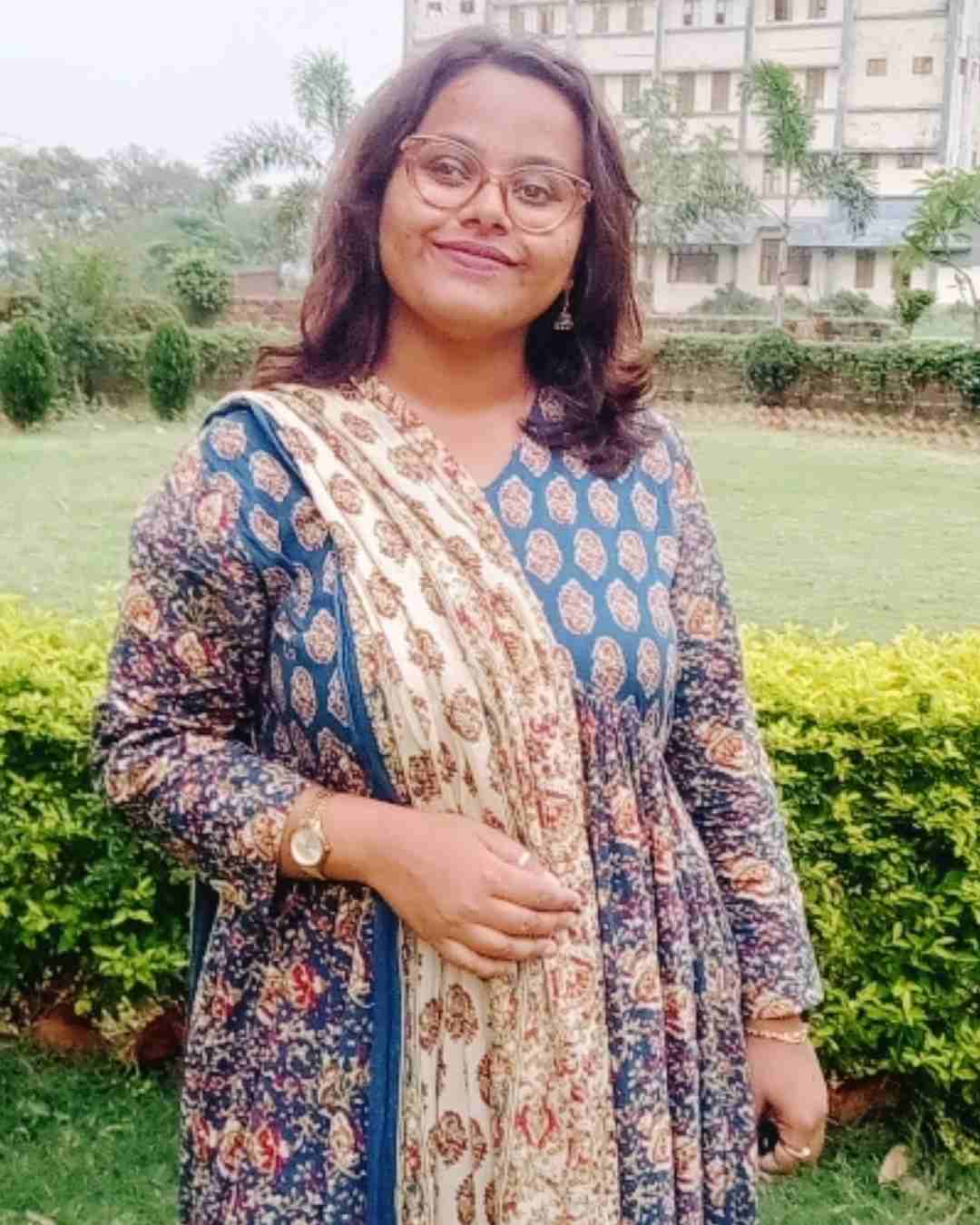
As a non-resident Bengali now living in a neighbouring state, every visit to Kolkata feels like a warm embrace. The food, the culture, the language and the strong sense of community are what define home for a probashi Bangali like me.
What I miss most is the city's unique spirit — where intellectual curiosity thrives alongside everyday warmth. Kolkata's rich literary and cultural heritage creates the perfect space for thoughtful conversations and creative minds. At the same time, it offers comfort and familiarity to those living away from home.
— Ankita Ghosh, 25, assistant professor
Caught between nostalgia and a new life abroad
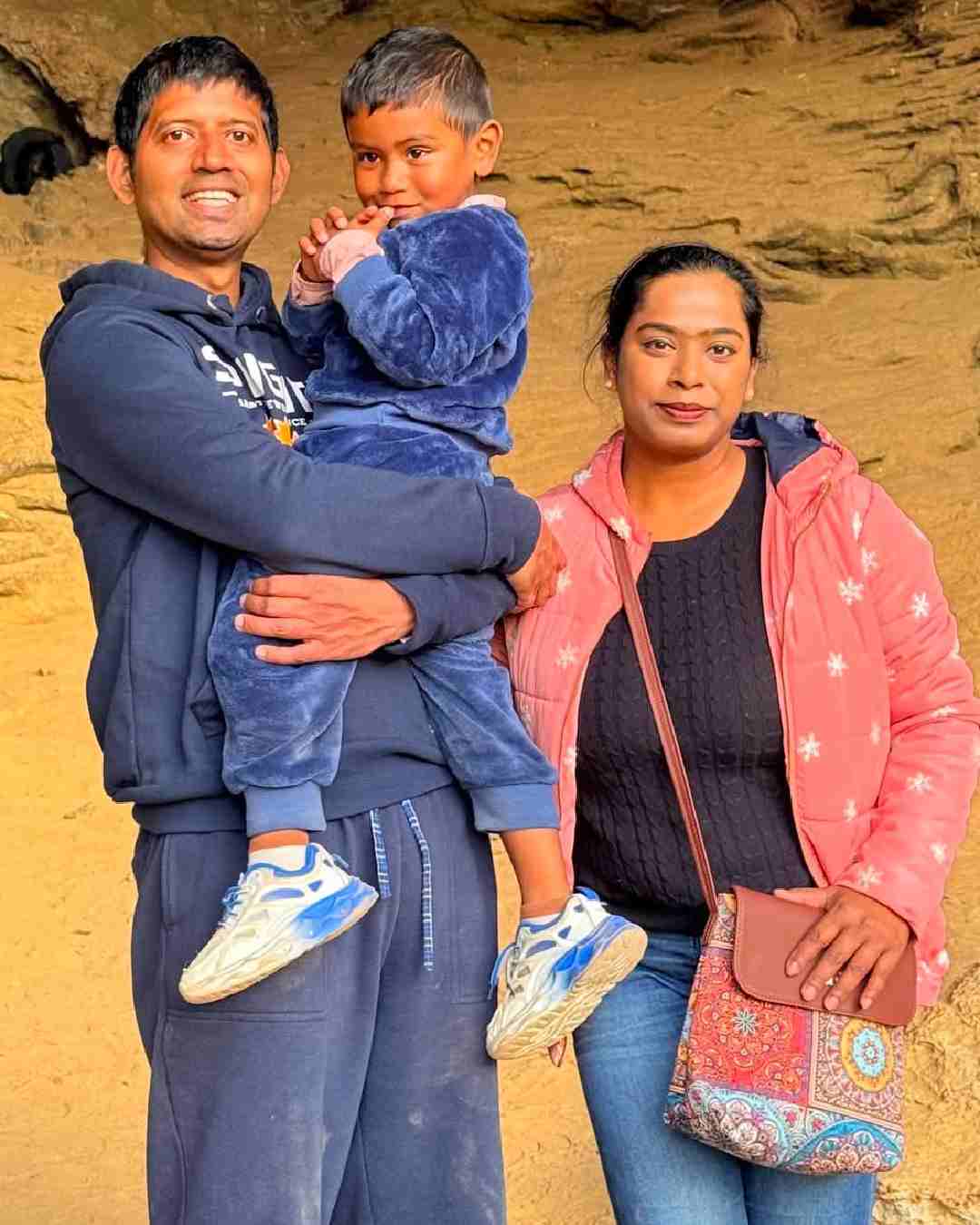
Growing up in Salt Lake, football was at the centre of my childhood. Some of my happiest memories are of playing on local grounds with friends until sunset. Even today, every visit home includes organising a football festival for local children, my way of giving back to the community that shaped me.
Yet every return also reminds me how much Kolkata has changed. Many Bengali families who once lived in my neighbourhood have moved away. The familiar faces, casual conversations and friendships that defined those years now largely exist only in memory.
One thing that has remained constant is my family home. Most of my relatives still live there, and walking through those doors instantly brings back a sense of comfort and belonging.
At the same time, after a few days in Kolkata, I find myself looking forward to returning to New Zealand. Over the years, it has become the place where my life continues to unfold.
Perhaps that is the reality of migration — you never stop belonging to where you came from, even as you build a home somewhere else.”
— Subhojit Sarkar, football referee & project manager
My Eldorado: A City where time stands still

My days as a postgraduate student in Kolkata often began with a steaming cup of tea in an earthen bhnar, its wisps of smoke mingling with the laughter, debates and animated discussions that filled the tea stalls of north Kolkata.
From there, I would wander through the book markets of College Street, browsing old titles and bargaining with shopkeepers, before ending the day with a fish cutlet and a bottle of Coke, often with little more than bus fare left in my pocket.
People say the city is running behind time, but sometimes there’s a comfort in a place where time has stopped.
A lot has changed in life since I left Kolkata for Chennai, yet I always have a yearning for my city, which is chaotic and loud at times.
Life in Kolkata might not be as brisk as life is in other cities, but this sluggishness gives one a respite to breathe, self-reflect, and take life one step at a time.
As the famous Bengali singer-songwriter and filmmaker once said, “Calcutta is My El Dorado”; it truly is. No matter how much I complain about the stagnancy of life and time here, I will keep coming back to this place, as places, in a way, embody a part of yourself.
— Srilekha Mitra, 26, research project associate at IIT Madras