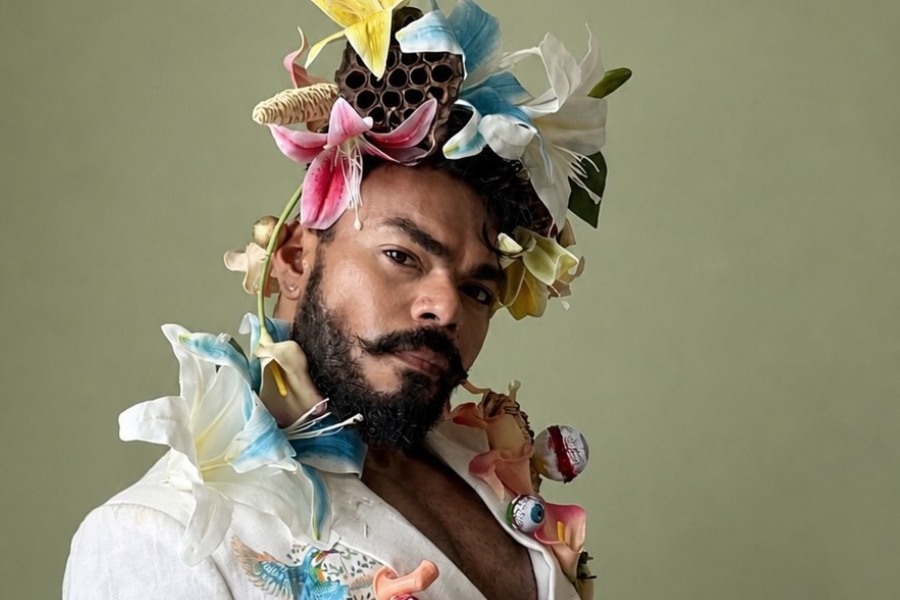
Most doctors are expected to wear white coats. Dr Bhaskar Das sometimes wears corsets, towering wigs and dramatic makeup instead.
By day, he is a psychiatrist, psychotherapist, sexologist and de-addiction specialist; by evening, he transforms into Dr Queer, a dazzling drag artiste.
It is an unconventional combination, one that surprises people and challenges stereotypes. But for Das, medicine and drag are not opposing worlds. They are both rooted in understanding people and telling stories.
His drag journey began during the Covid-19 lockdown in 2020 when he started watching the American reality show RuPaul's Drag Race.
"At first, it was simply a source of comfort and entertainment. But the show soon made me question and rethink many things," he said.
All pictures: Sourced by the correspondent
The deeper he explored drag, the more he realised it was not entirely unfamiliar to Indian culture.
Growing up in his ancestral home in Midnapore, Das regularly watched folk theatre and mythological jatra performances. Male actors, known as jatra ranis, often played female characters and were readily accepted by audiences.
"Their embodiment of femininity was captivating. I never imagined a similar form of artistry would one day become such an important part of my own life," he said.
The journey, however, was far from easy.
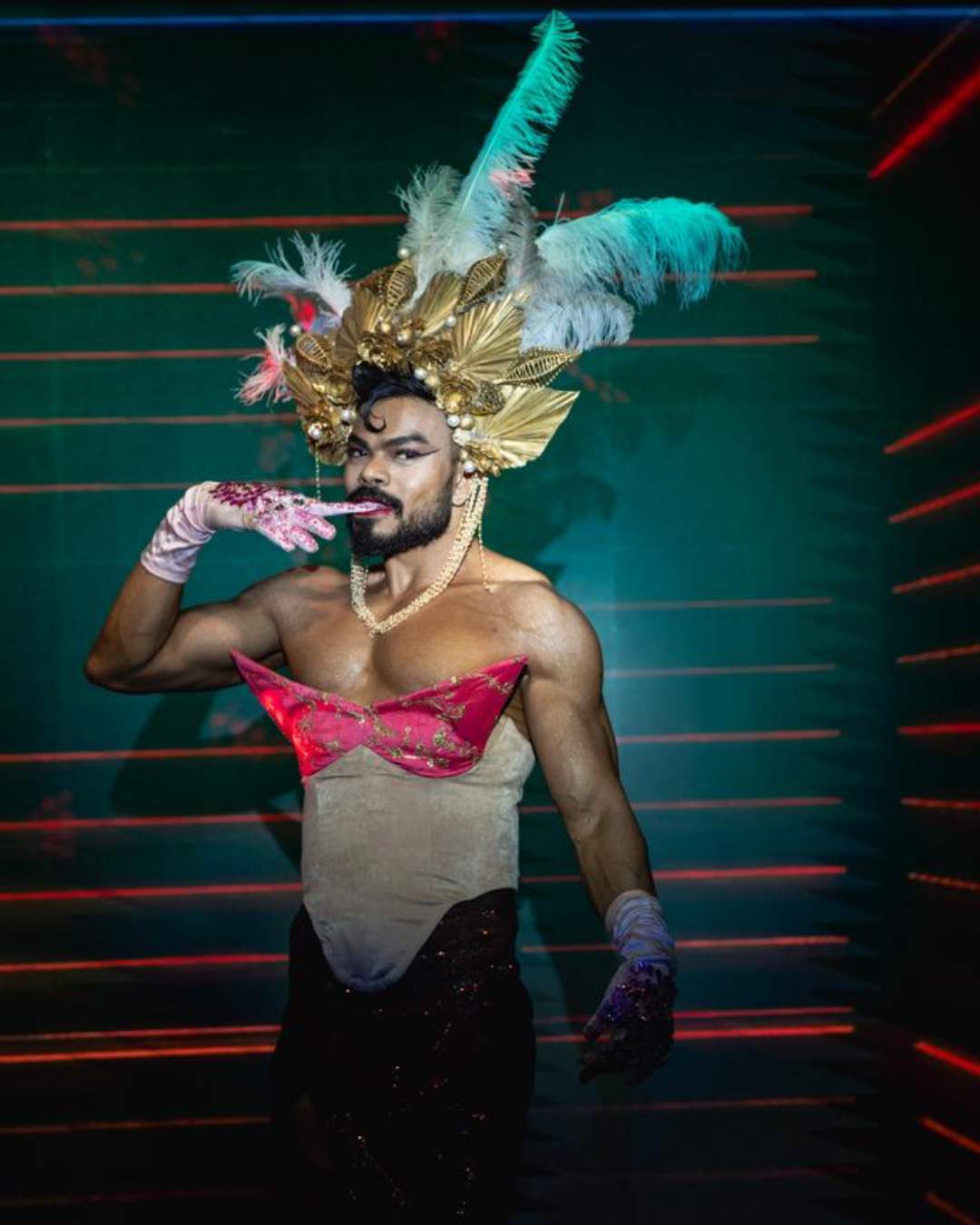
From learning makeup techniques to walking into shops to buy heels, corsets and cosmetics, Das had to navigate discomfort, judgement and his own insecurities.
"Embracing and owning my feminine side was the hardest part. Initially, people thought drag was just about cross-dressing. Today, drag is much more expansive. A drag artiste can become anyone — even something entirely imaginary," he said.
Finding his drag identity took time. So did dealing with criticism from within the medical profession.
Doctors are often expected to fit a particular mould, and Das's artistic pursuits did not always align with those expectations. Some colleagues warned that patients would lose trust in him if they discovered he performed in drag.
He chose not to listen.
Six years later, Das continues to perform, experiment and evolve.
"I enjoy shocking audiences out of their comfort zones," he said.
He believes psychiatry and drag complement each other. As a psychiatrist, he is trained to listen without judgement and understand different lived experiences. Drag, too, is about storytelling and giving voice to personal narratives.
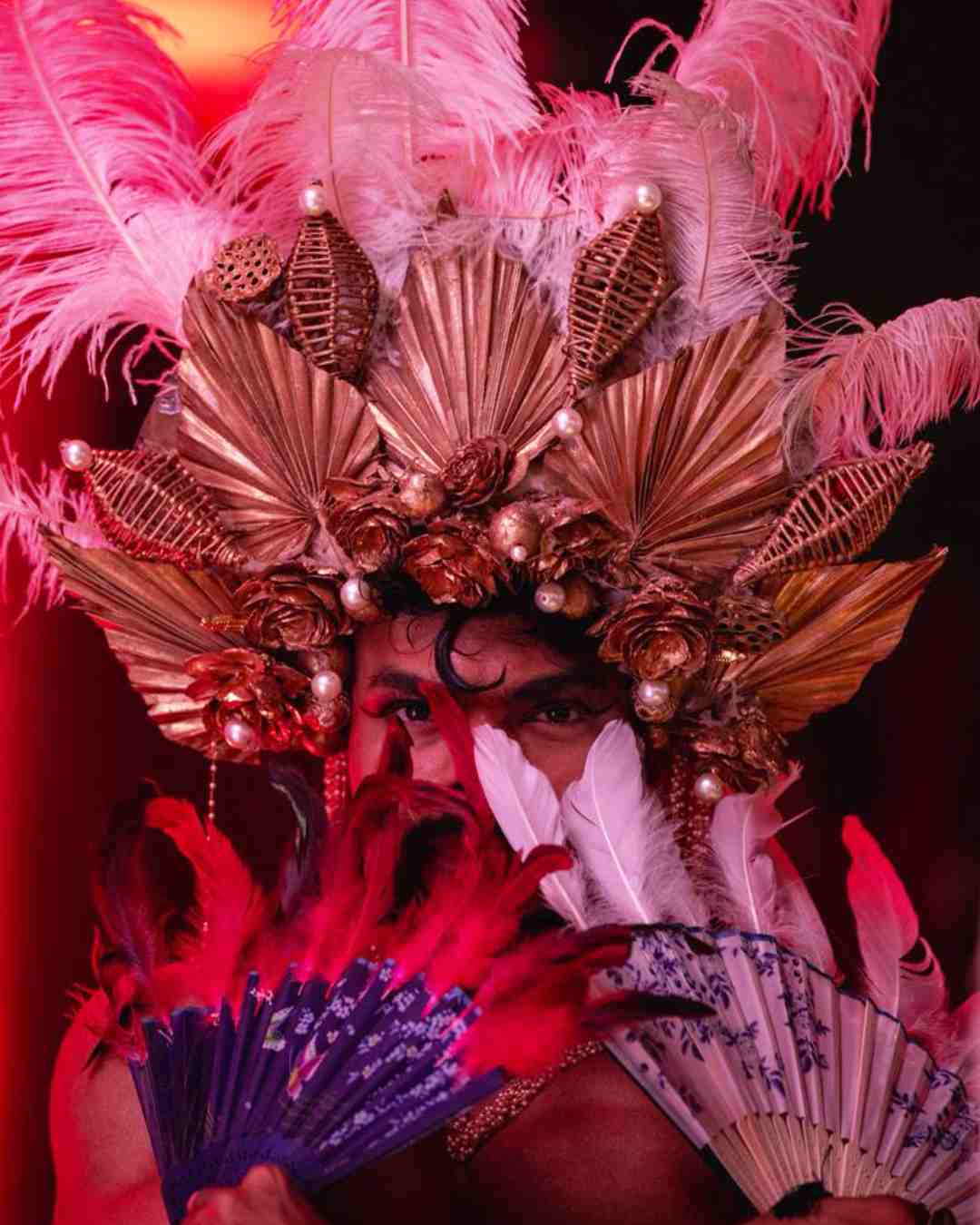
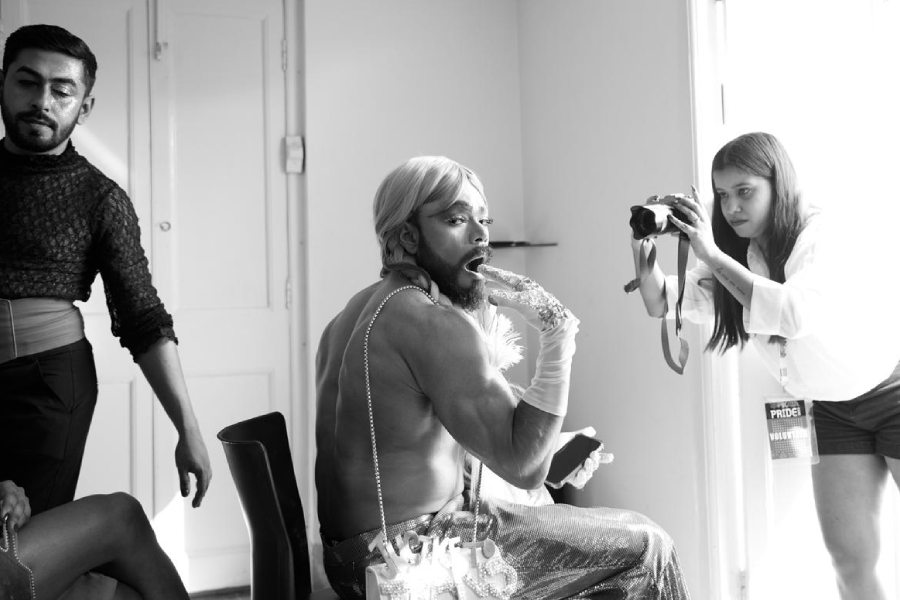
"Drag is an art form built on transformation. Every detail matters. A drag queen spends hours perfecting makeup, styling wigs, assembling costumes and creating an illusion. Behind the glamour lies immense effort, skill and patience," he explained.
One of the most memorable moments in his journey came when a patient recognised him at a drag show. Initially awkward, the encounter turned into a heartwarming affirmation.
The patient remained supportive and continues to send encouraging messages after his performances.
Das draws inspiration from burlesque and films such as Dreamgirls and Burlesque. Fascinated by the glamour associated with singer-actress Christina Aguilera, he once created an elaborate look featuring a towering ostrich-feather headpiece and a corset adorned with more than 500 hand-stitched pearls.
The performance carried a deeper meaning.
"It became a love letter to the little gay boy I was in school — the boy who loved all things feminine and was bullied for being different," he said.
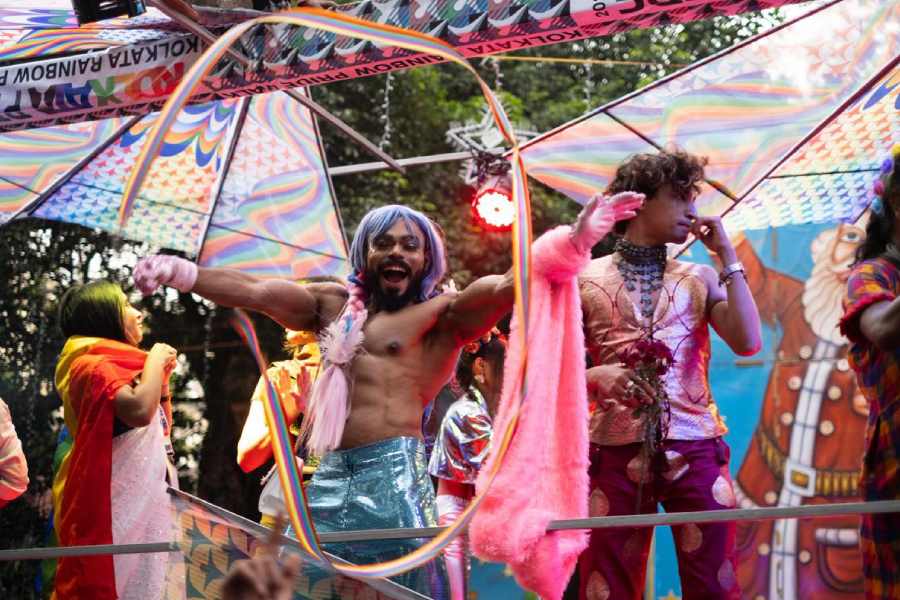
Das believes one of the biggest misconceptions about drag is the assumption that performers want to transition simply because they dress as women.
"In a patriarchal, heteronormative society, art forms that challenge binaries are often pushed to the margins," he said.
He also points to the prevalence of femmephobia, even within sections of the queer community.
"'Don't behave like a woman. Be a man. Go to the gym, play sports, maintain that stature,' a gay man once told me," he recalled.
For Das, the conversation around queer identities must move beyond visibility alone.
"Queer people don't exist only in urban, privileged spaces. They live in villages, small towns and marginalised communities too. What needs to improve is representation, not just visibility," he said.