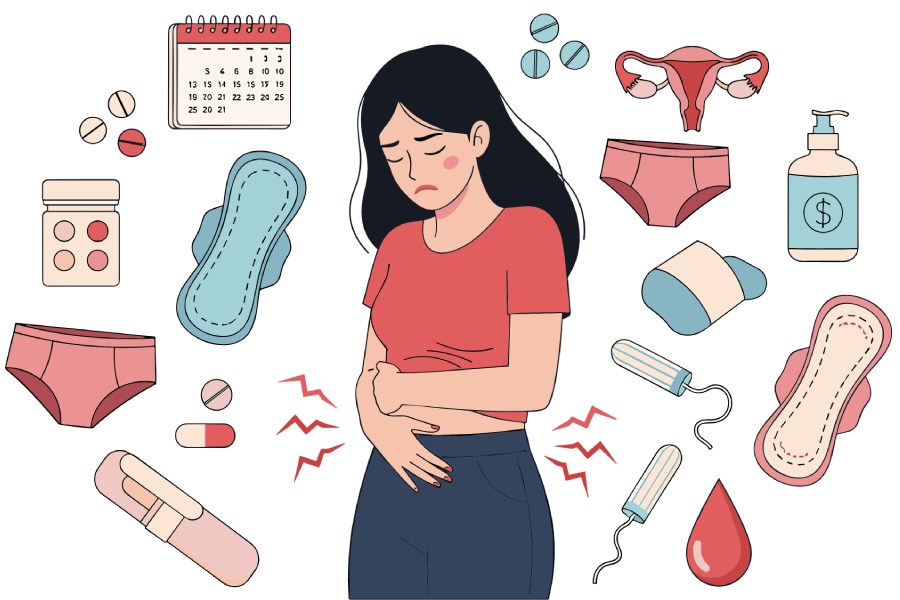
Availability of menstrual products continues to remain a challenge in India, often leading to practical difficulties that can impact menstrual health and worsen period problems.
Although free sanitary pads are available in public healthcare centres and schools, access to them while travelling remains limited. Automated coin-operated or QR code-based sanitary napkin dispensers are still not widely available at hotels, railway stations, airports or cafes.
Even today, most women have to carry spare sanitary pads during their menstrual cycle to avoid any hassle on the go. However, one can still easily end up in a predicament.
My Kolkata reached out to several city women whose professions demand frequent travel – to learn about the problems they endure and the precautions they continue to take.
“Planning ahead kills the stress — pack it once, forget about it, travel easy.” This is the philosophy traveller and social media influencer Pamela Nandi swears by and follows.
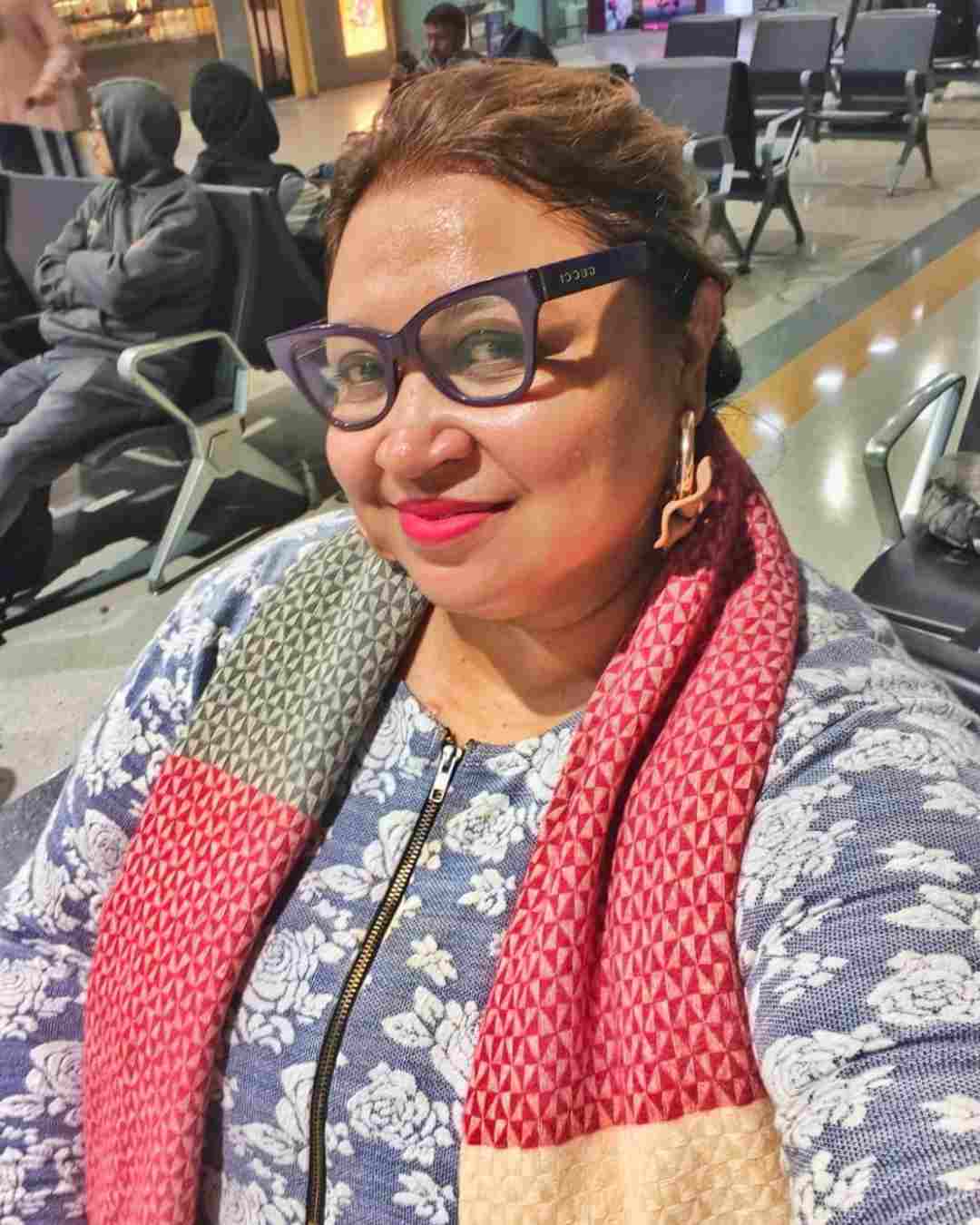
Pamela Nandi
She makes meticulous preparations for menstrual hygiene, whether she is navigating a 12-hour international flight or exploring a remote destination in India.
“I always carry a small essentials pouch with high-absorbency pads, intimate wipes, hand sanitiser, pain-relief medication and biodegradable disposal bags while travelling,” Nandi told My Kolkata.
She considers herself lucky whenever she comes across menstrual hygiene facilities in public spaces.
“Some premium hotels and international airports now offer sanitary vending machines, proper disposal bins, clean washrooms, and emergency hygiene kits, making travel more comfortable for women. Many luxury brands like Taj Hotels, Hilton and Hyatt also provide thoughtful amenities like eco-friendly sanitary kits in rooms and well-designed powder rooms. I’ve also seen boutique cafés supporting ‘period equity’ by offering complimentary menstrual products in their restrooms,” she said.
However, access to such facilities is still not equally convenient for every scenario.
PhD scholar Shreya Dutta highlighted the lack of reliable and hygienic public toilets in affordable spaces.
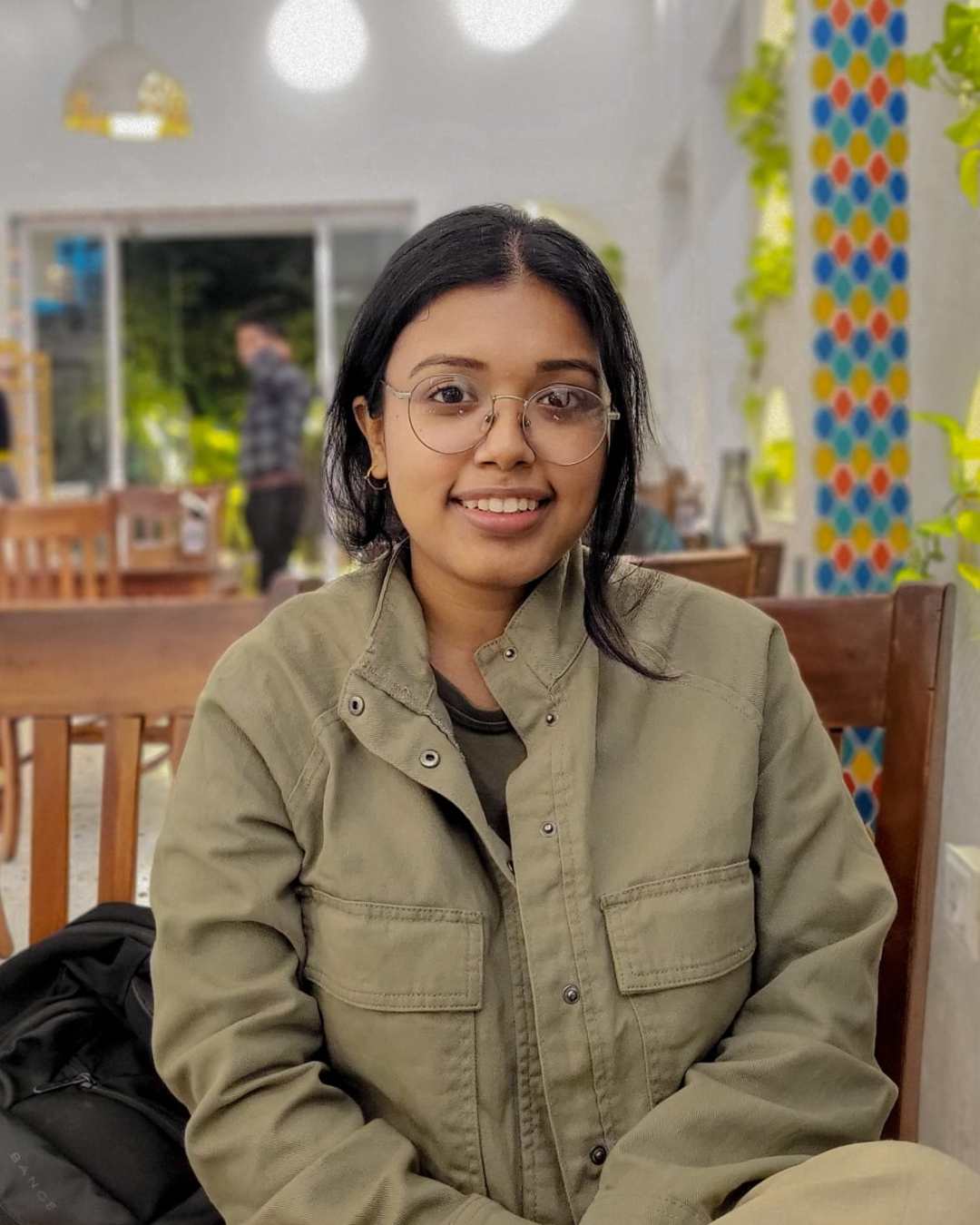
Shreya Dutta
“Many washrooms either don’t have bins or have open, unhygienic ones, which creates both discomfort and embarrassment and even the risk of infection,” she said.
Dutta also expressed her concern over the persistent issue of privacy and lingering social stigma, since many women still “hesitate to ask” for menstrual products openly.
“My key takeaway is that menstrual hygiene is still treated as an additional feature rather than a basic necessity, and maintenance is a bigger issue than installation,” Dutta added.
Shreya Mukherjee, a Howrah resident who works at a private company, said she tries to avoid longer work tours during her menstrual cycle whenever possible.
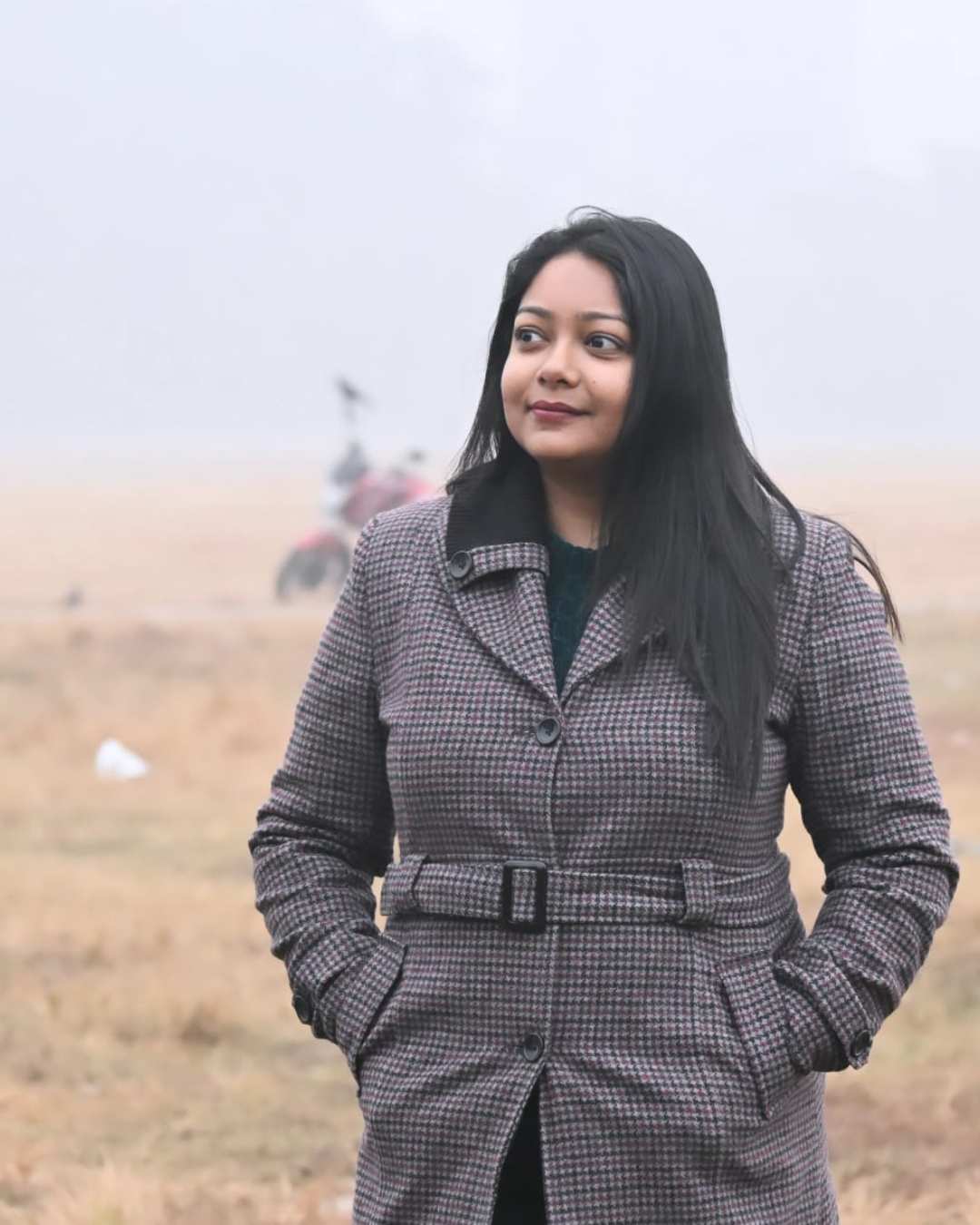
Shreya Mukherjee
“Travelling for extended hours without assured access to clean washrooms or menstrual hygiene facilities becomes extremely stressful. Even today, I have to plan everything and carry extra sanitary products, medicines and a change of clothes before leaving for any trip,” she said.
“During long journeys, access to clean washrooms is not always guaranteed, and that can become extremely uncomfortable during periods. After suffering from UTIs earlier, I have become much more cautious. I try to avoid longer tours during that time of the month and make sure I carry extra sanitary products, medicines and wet wipes whenever travelling becomes unavoidable,” she said.
Ahiritola-based Shalini Debnath, who works with an event management company and travels frequently, said that she feels that in today’s generation, conversations around periods, cramps and sanitary pads have become far more normalised.
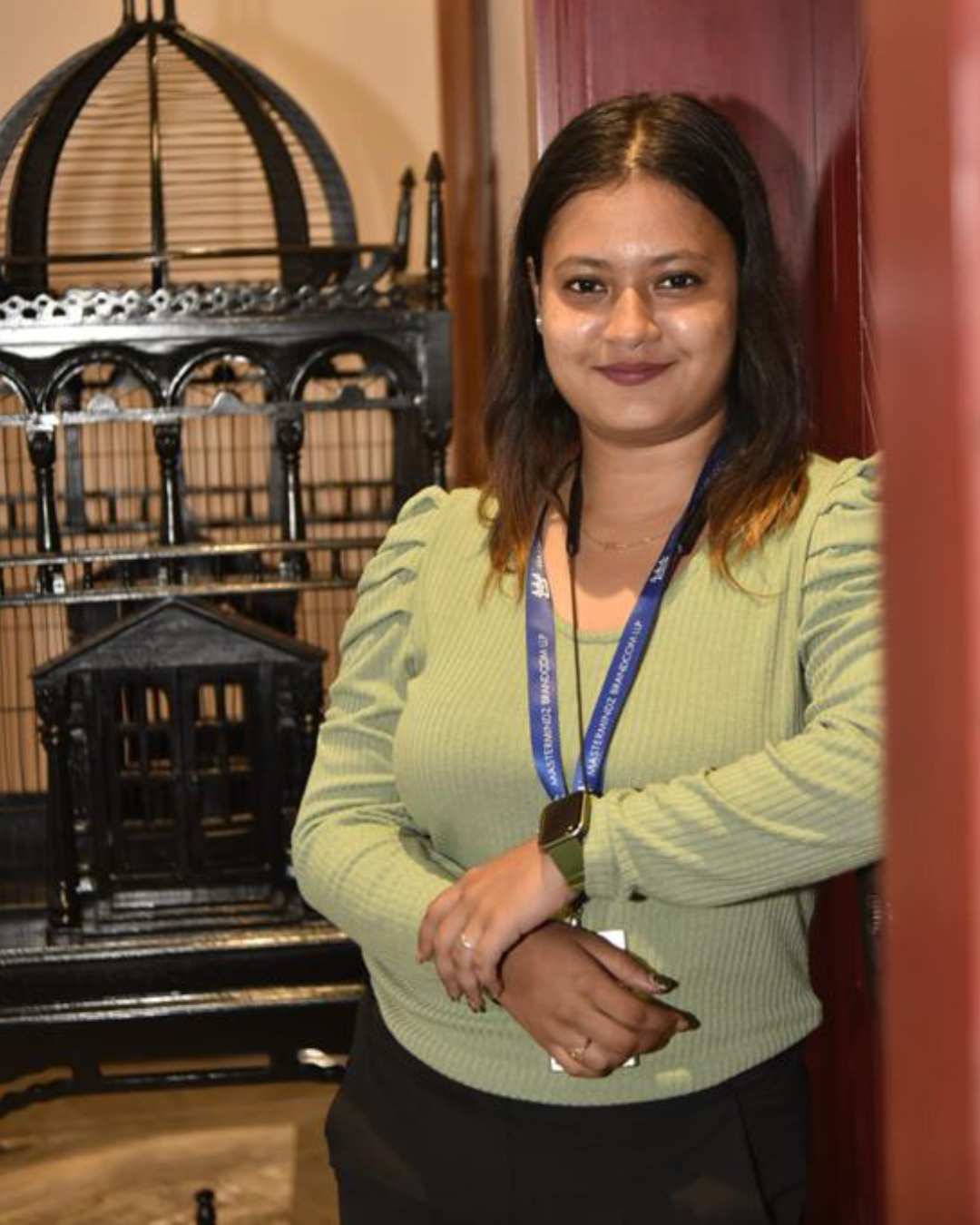
Shalini Debnath
“I feel in today’s generation it is already normal to talk about periods, cramps and pads but still 5-10 per cent of the population still hesitates to talk about it or even buy from any shop where there is a male at the counter, which is again something that will never go away. But there needs to be some availability of menstruation products at public places so that we women do not have to face any awkward situation if we get our periods suddenly on the way to the office or any event or any other place,” she said.