“Don't Be Eye Candy, Be Soul Food”
— Anonymous
The line could well belong to the Afghan naanwais of Delhi, whose bread is less about pleasing the eye and more about gastronomic fulfillment.
After the Soviet invasion of Afghanistan and the years of conflict that followed, many Afghans left home in search of shelter and livelihood. They found a home in Delhi, and the city soon turned into one of the largest hubs for the community.
Neighbourhoods such as Lajpat Nagar, Bhogal, and Khirki Village slowly transformed into cultural pockets where familiar languages, garments, and, most importantly, food could still be found.
Among the most enduring markers of that migration is bread.
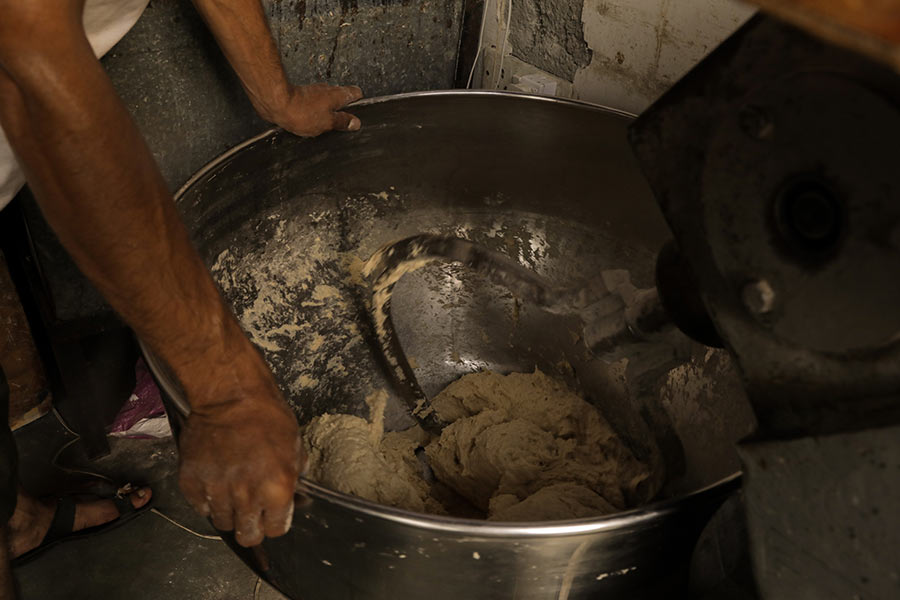
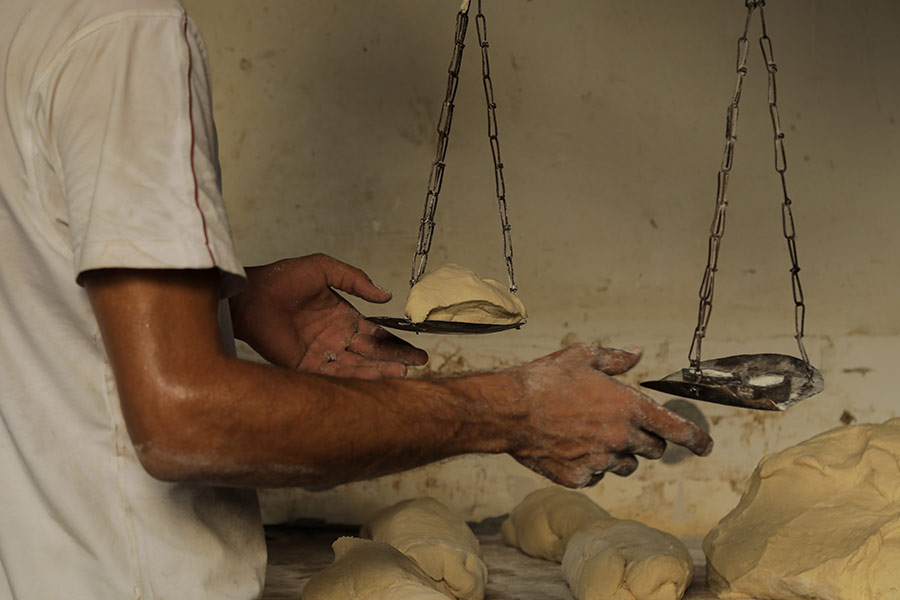
For Afghans, naan is not just a bread that complements rich and aromatic gravies. It is central to the meal. In Lajpat Nagar, the day begins around 7am with the dough being kneaded first. It is divided into 250-gram portions, weighed carefully, then set aside under a cloth.
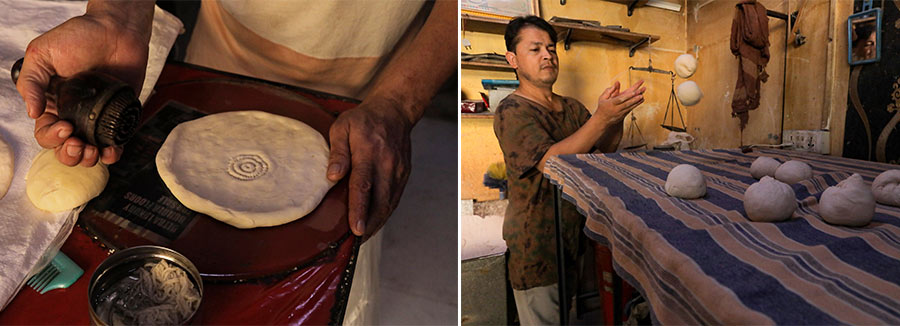
Each dough ball is flattened by hand before patterns are pressed into its surface with a comb or a mokhbar, a small cylindrical tool with a handle. Sesame or poppy seeds are sprinkled on top.
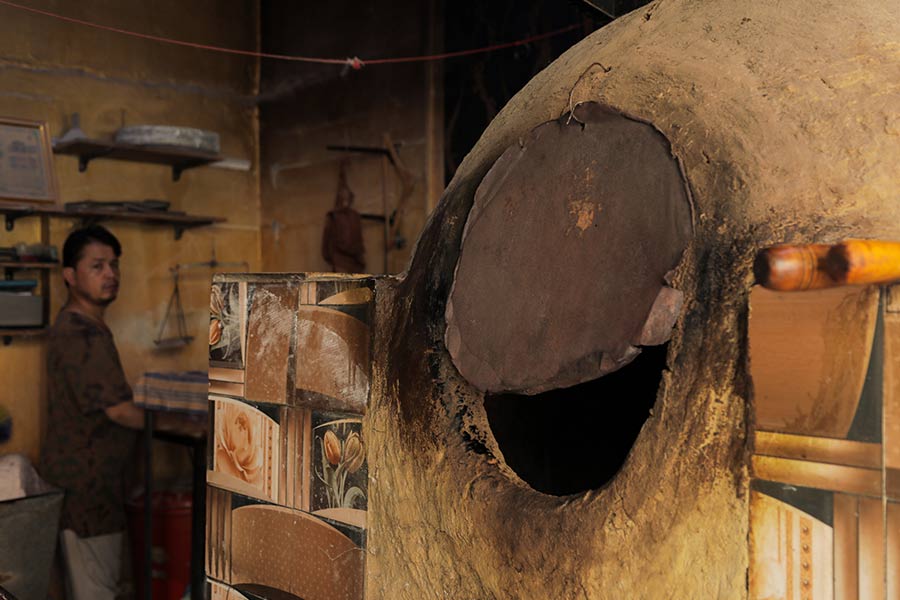
After resting for about 15 minutes, the naan is placed inside a traditional mud tandoor. The clay oven takes up space and consumes more fuel than a modern electric one, but the bakers insist it gives the bread its smoky depth and flavour.
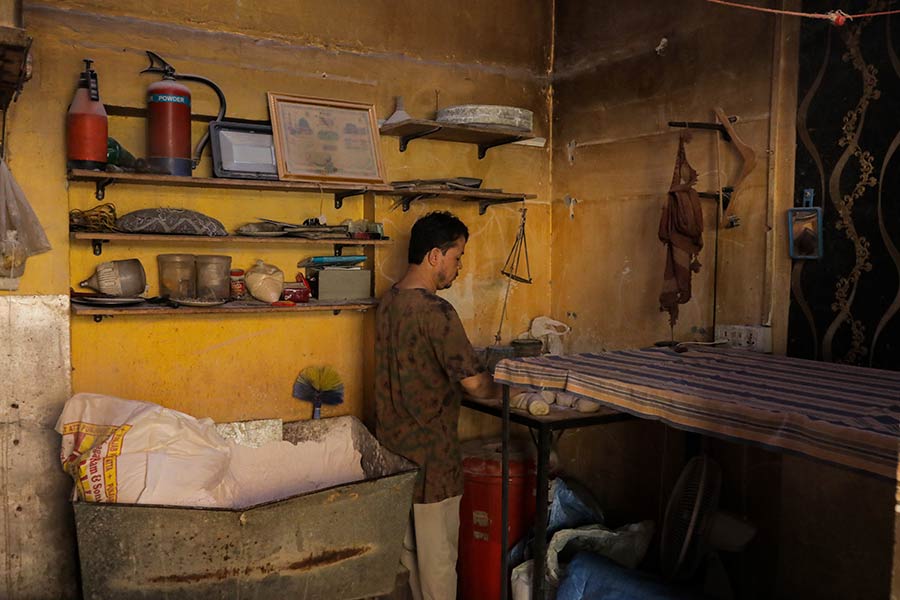
Hamid and Mirwaiz Baseeri, who arrived from Kabul in 2012, run a small bread shop in Lajpat Nagar. Every day, they open their shop around 7am and start making the dough. Both serve customers. Their shop is now three-years old and is popular in the Lajpat Nagar area.
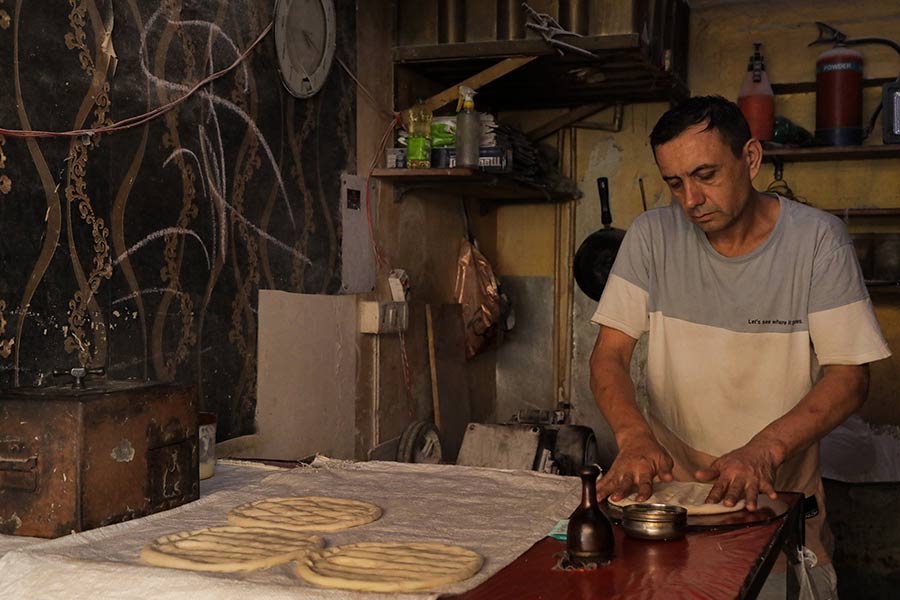
A few lanes away, Jamshed runs another shop with his brother. He came to Delhi with his grandfather 14 years ago. Their first shop in the main market was destroyed, forcing them to start over. Four years into the new space, customers now include not only Afghan families, but also Delhi locals who have developed a taste for the dense, seeded breads that cost around Rs 10/20 and are eaten with meat stews or vegetables.
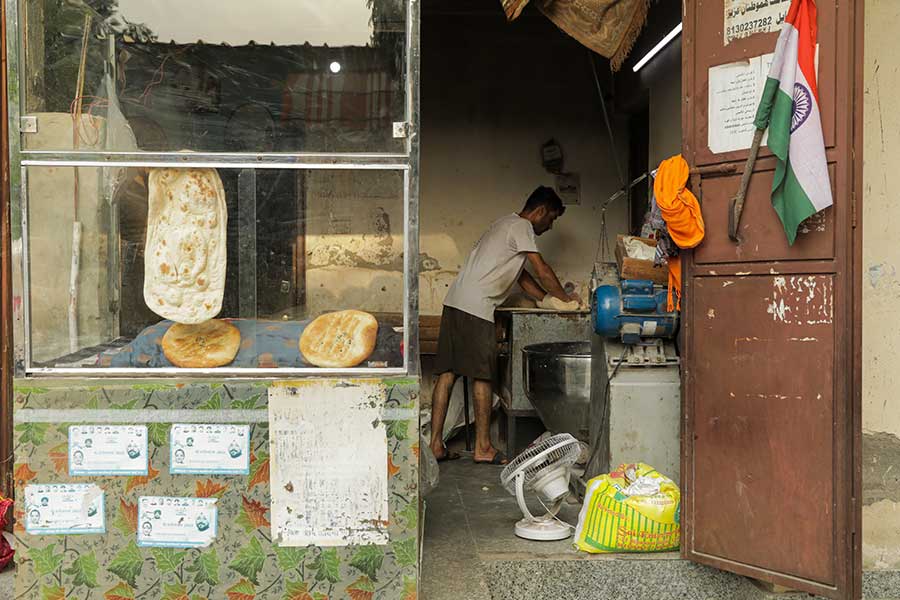
In these ovens, exile finds routine. In each patterned naan, there is labour, memory and resilience. This blending of cultures, where Afghan food enriches Delhi’s culinary landscape, reflects more than just taste.
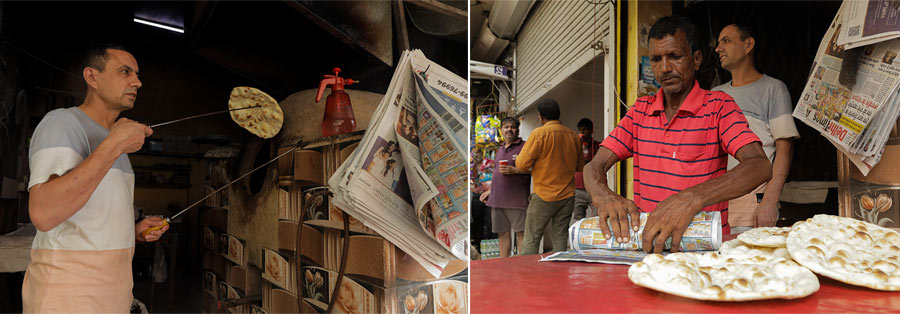
It resonates with the idea that while food can be appetising at first glance (eye candy), the real connection comes from the taste, texture, and how it satiates the soul (soul food).